Jump to section
- 1. Introduction
- 2. Emergency Response Team (ERT) / Set Up
- 3. Preparations:
- 4. Actions to be taken when conducting the Drill
- 5. Closing
- 6. Appendix A
- 6.1 Emergency Procedures
- 7 Appendix B
- 7.1 Fire Escape Floor Plans
1. Introduction
This Emergency Response and Evacuation procedure manual is to familiarize all members of Alfaisal community with the emergency procedures in place to facilitate safe, orderly and timely evacuation when necessary.
The main objectives of this Fire Drill and Emergency Evacuation procedure are as below:
- To provide an orderly emergency response plan for all occupants.
- To ensure all exit routes, emergency staircases are not obstructed and can be used in an orderly fashion during emergencies.
- To ensure fast, organized and smooth evacuation of buildings during emergencies.
- To train the members of Emergency Response Team to conduct their duties successfully.
- To test the working conditions and effectiveness of all fire and emergency equipment for all buildings.
Whilst fire is the principal reason for the implementation of an evacuation plan, other instances such as gas leak, bomb scare, Hazardous material spill etc., may well necessitate evacuation of the premises.
It is of vital importance that all members of Alfaisal are familiar with the procedure. In the event that any part of this procedure is unclear, please contact Facility Department.
2. Emergency Response Team (ERT) / Set Up
The size and configuration of the premises, together with the type of occupancy, will determine the interval between practice evacuations. The period between evacuations can vary between semiannually and annually.
2.1 Emergency Response Team (ERT) members:
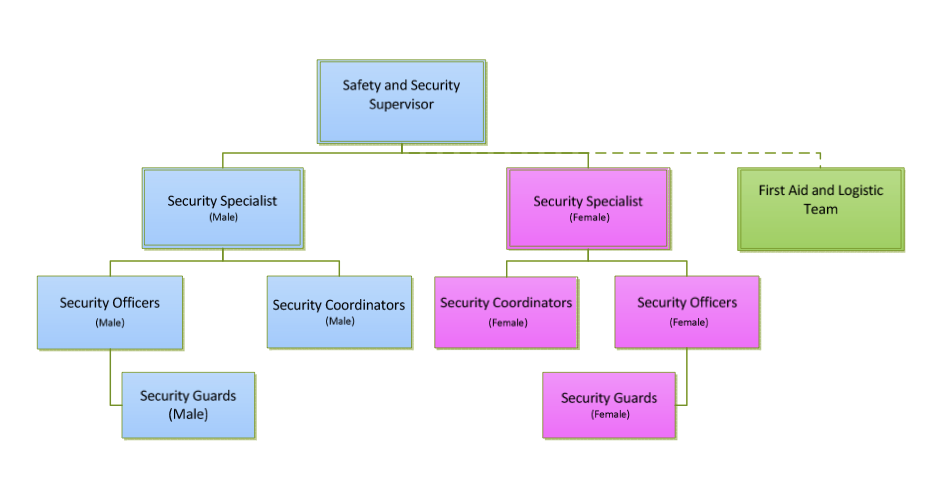
- Safety and Security Supervisor (SSS)
- Security Specialists (SS)
- Security Officers (SO)
- Security Guards (SG)
- Search and Rescue Team
- Security Coordinators (SC)
- First Aid and Logistic Team
- Observer and Strategist (Senior Facility Manager)
- Support Team (O&M and Housekeeping)
2.1.1 ERT Organization Chart
2.2 Job responsibility of each of the ERT members.
2.2.1 Safety and Security Supervisor (SSS)
- Overall control of incident/drill
- Operates from Fire Control Room
- Assisted by Security Specialists & Security Coordinators
- Determines location of fire
- Formulate control actions and advise
- Mobilize Fire Fighting team/Security Guards
- Co-ordinate with SS, SO,SC, SG & Fire Fighting Team
- Informs / update management of incident
- Liaise with Civil Defense Department
2.2.2 Security Specialists (SS)
- In-charge of evacuation
- To be present at assembly area
- Co-ordinate with SC
- Roll Call & Verify missing persons
- Co-ordinate with First Aid and Logistic Team
2.2.3 Security Officers (SO)
- Assemble at the Fire Control Room
- To lead the team to the floor
- Fighting fire, if it is small
- Report status to SS and SSS.
2.2.4 Security Guards (SG)
- Last person to leave the floor
- To lead occupants to the corridor
- Wait for the announcement / instruction
- Lead the occupants through the staircase to the assembly area
- Line them up for the roll call
- Inform the SS of missing persons
- Assist in re-entry process
- To search and rescue occupants / victims
- To lead occupants / victim to the assembly area
- Report status to SS.
2.2.5 Security Coordinators (SC)
- In-charge of Building Security
- Control human movements
- Operate from reception/Entrance/Gate
- Ensure vehicle movement is stopped
- Coordinate with Security, O&M, Housekeeping & HR Personnel
- Ensure clear access for emergency services and Civil defense
2.2.6 First Aid and Logistic Team
- Keep ERT advised of any injury / serious injury or casualty
- Assists in treatment of casualties and render first aid as required
- Make arrangement for ambulance
- Report status to SSS
3. Preparations:
The items below are to be prepared prior to conducting a fire drill:
- Formation of Emergency Response team and assignment of roles and responsibilities to each constituent member.
- Prepare evacuation floor plans.
- Determine the Assembly Area.
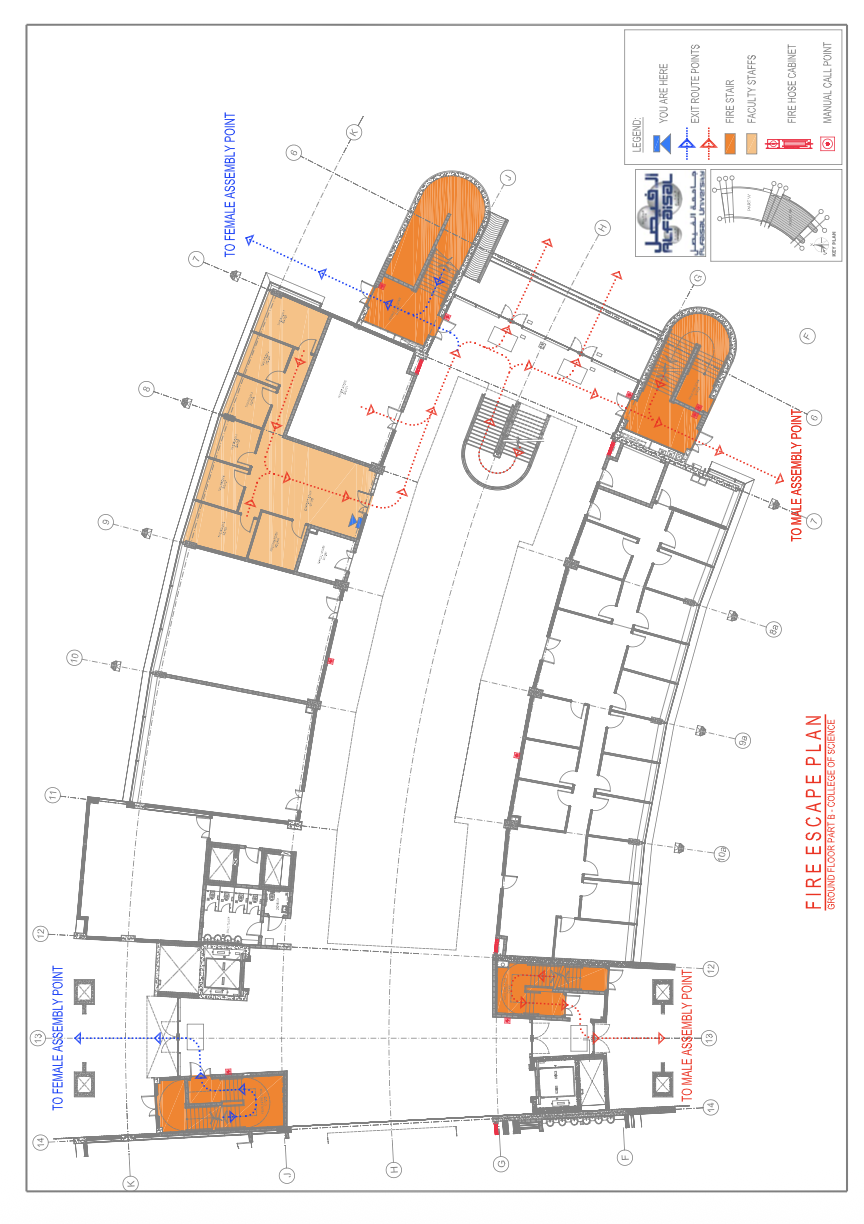
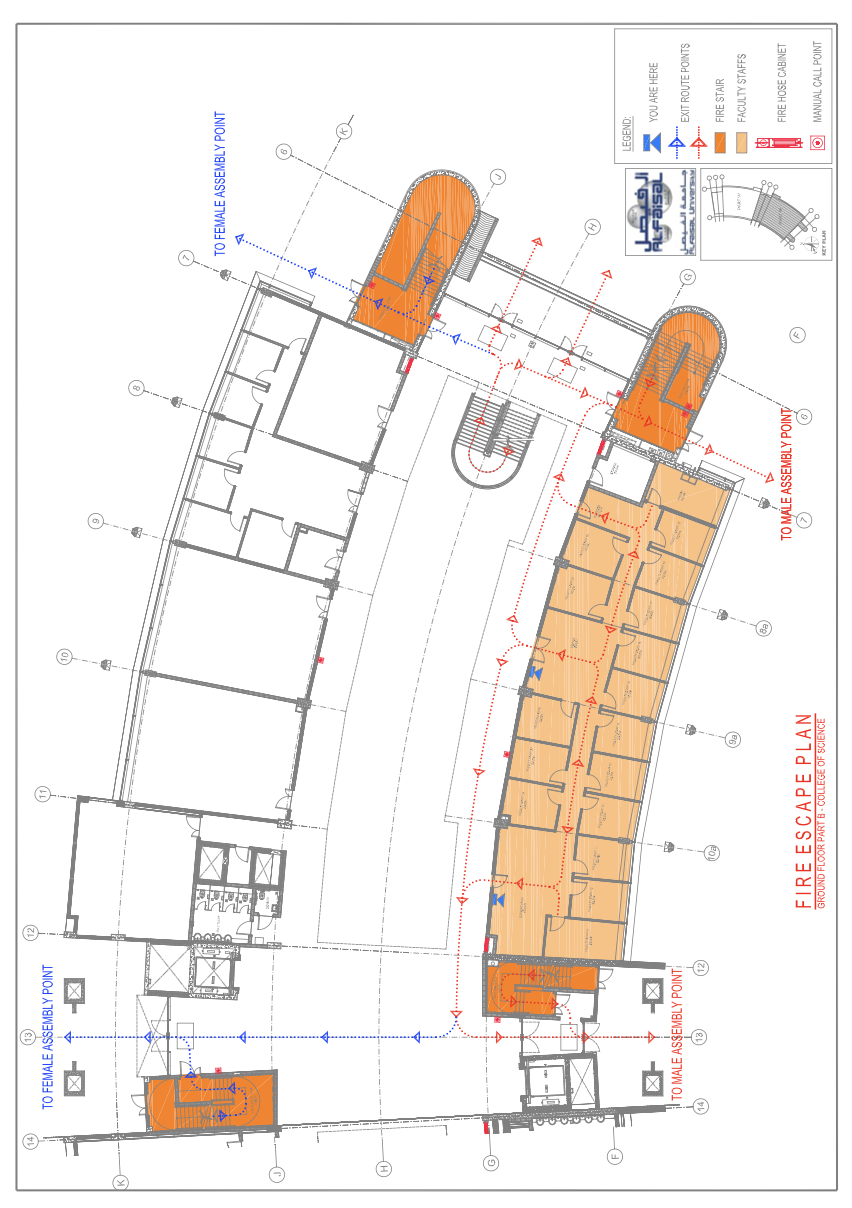
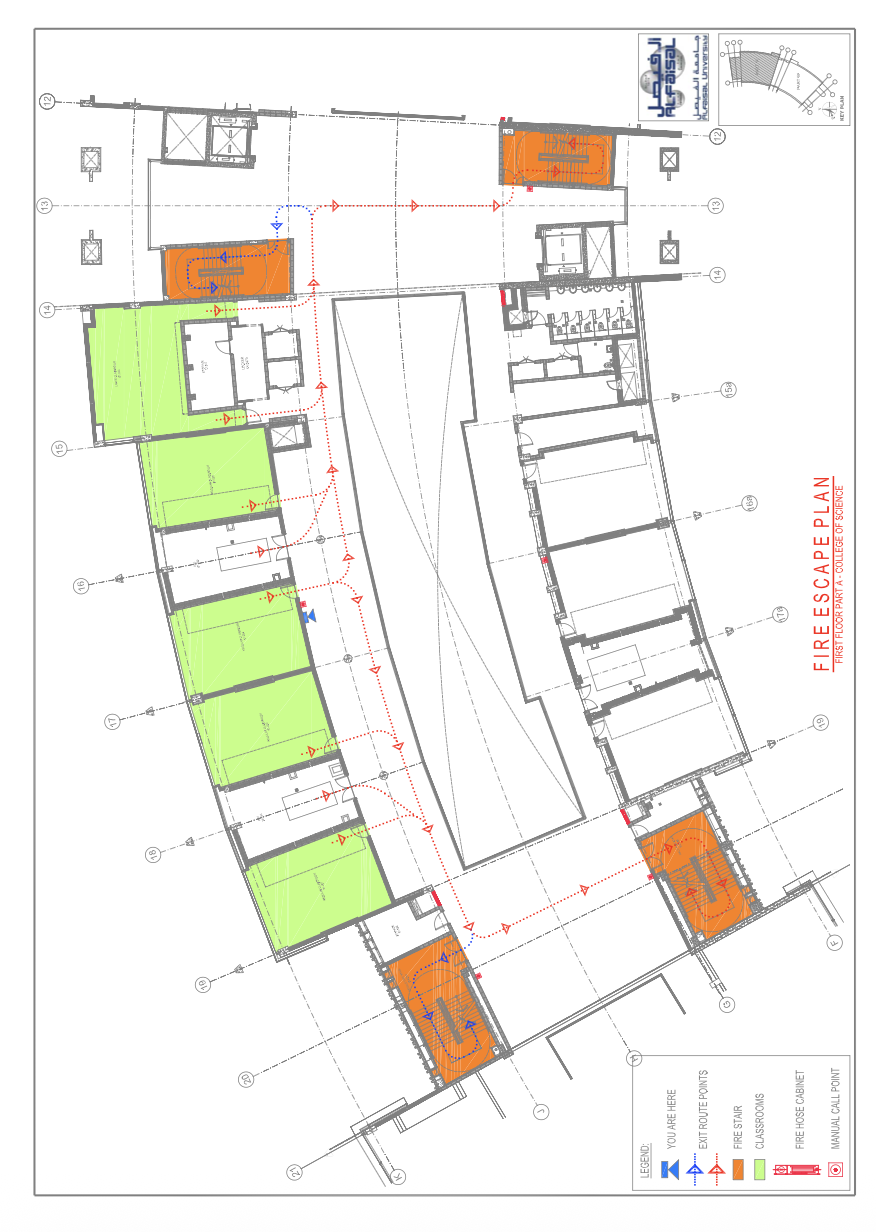
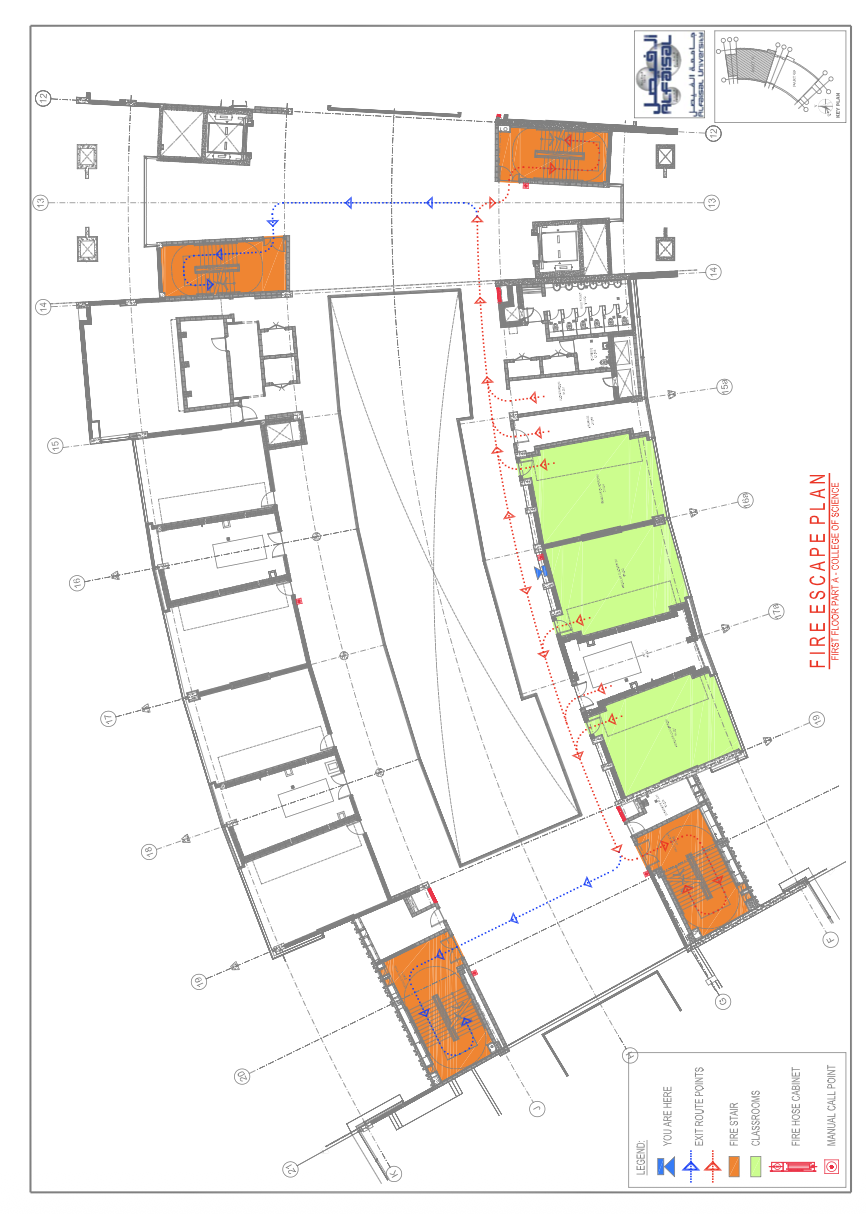
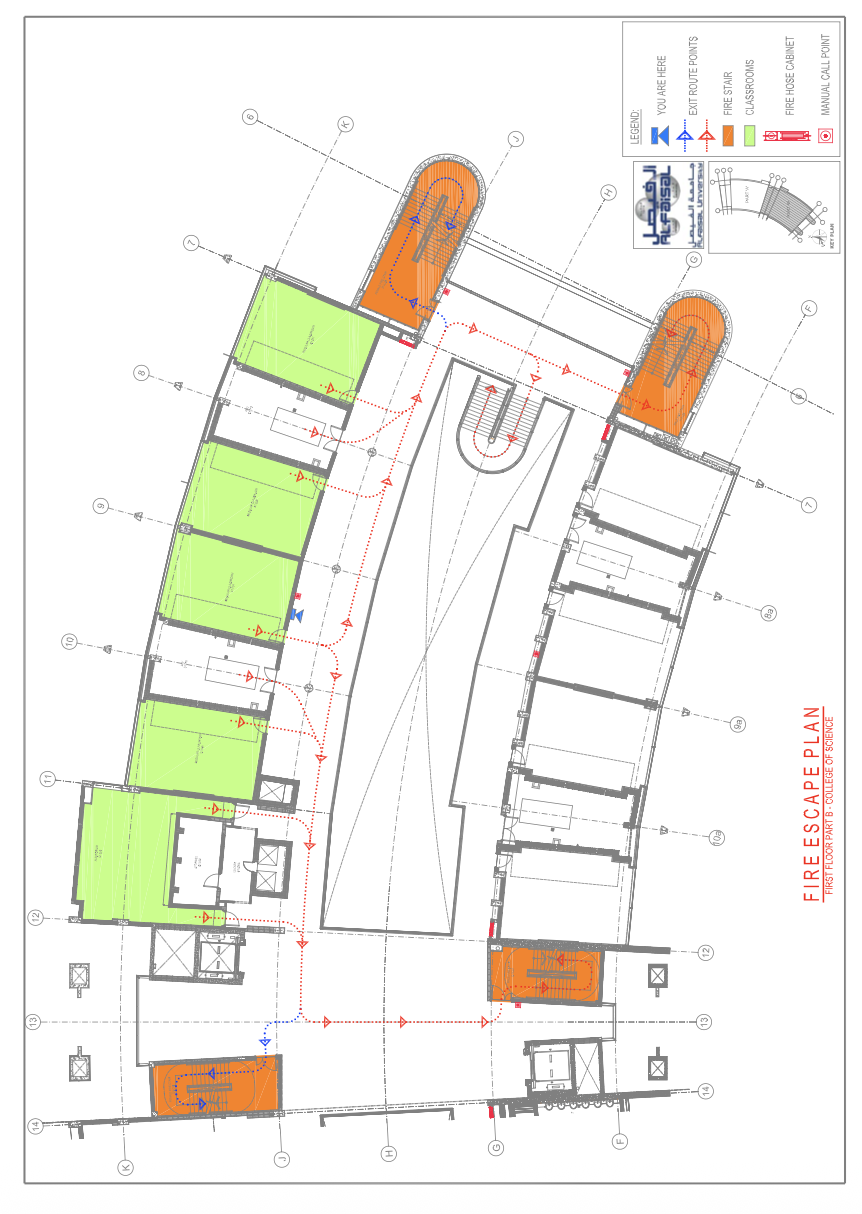
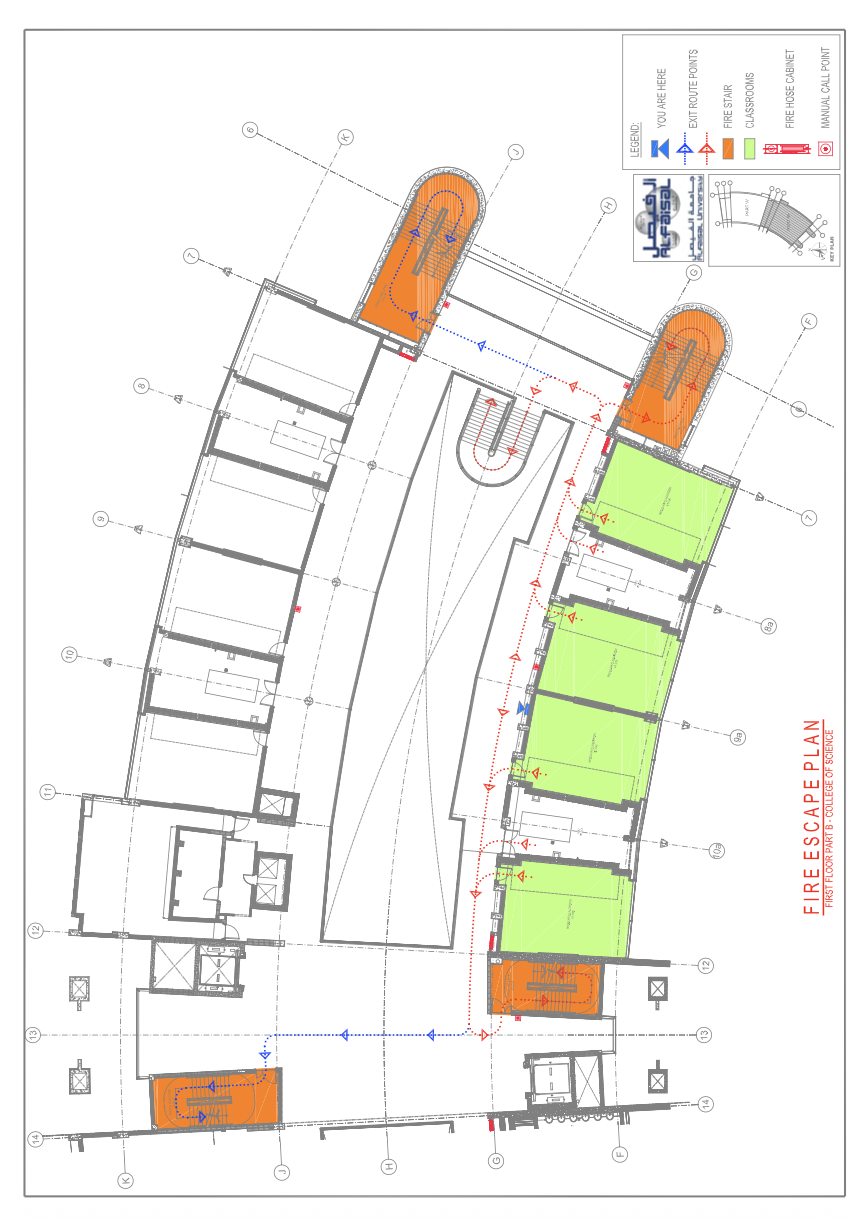
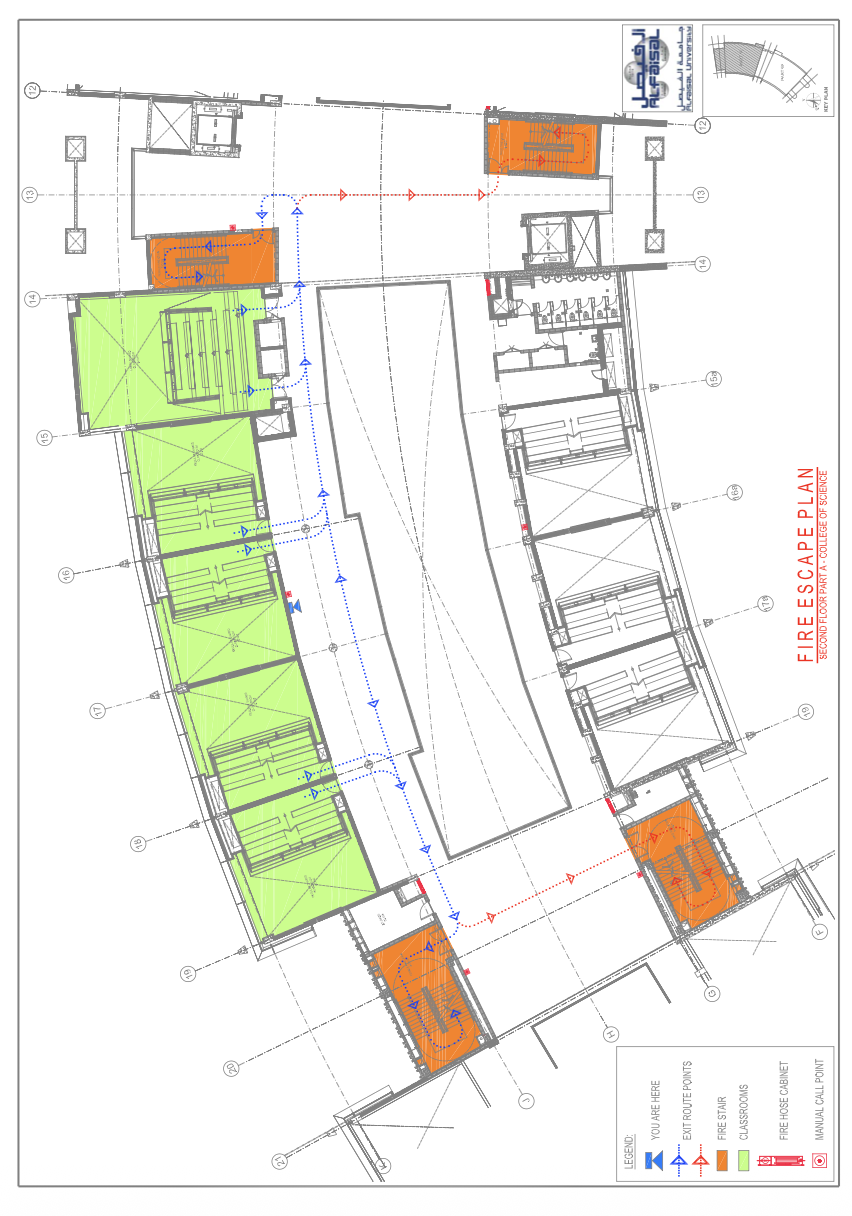
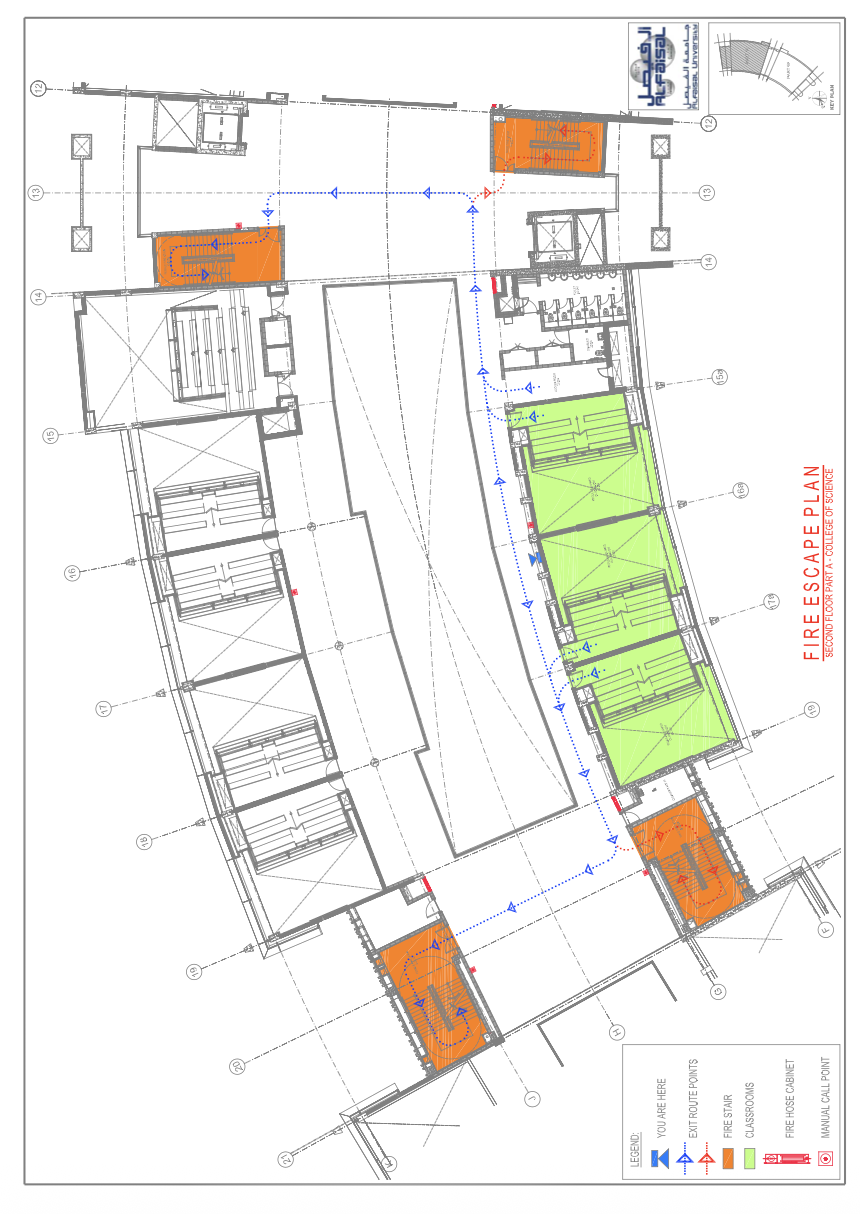
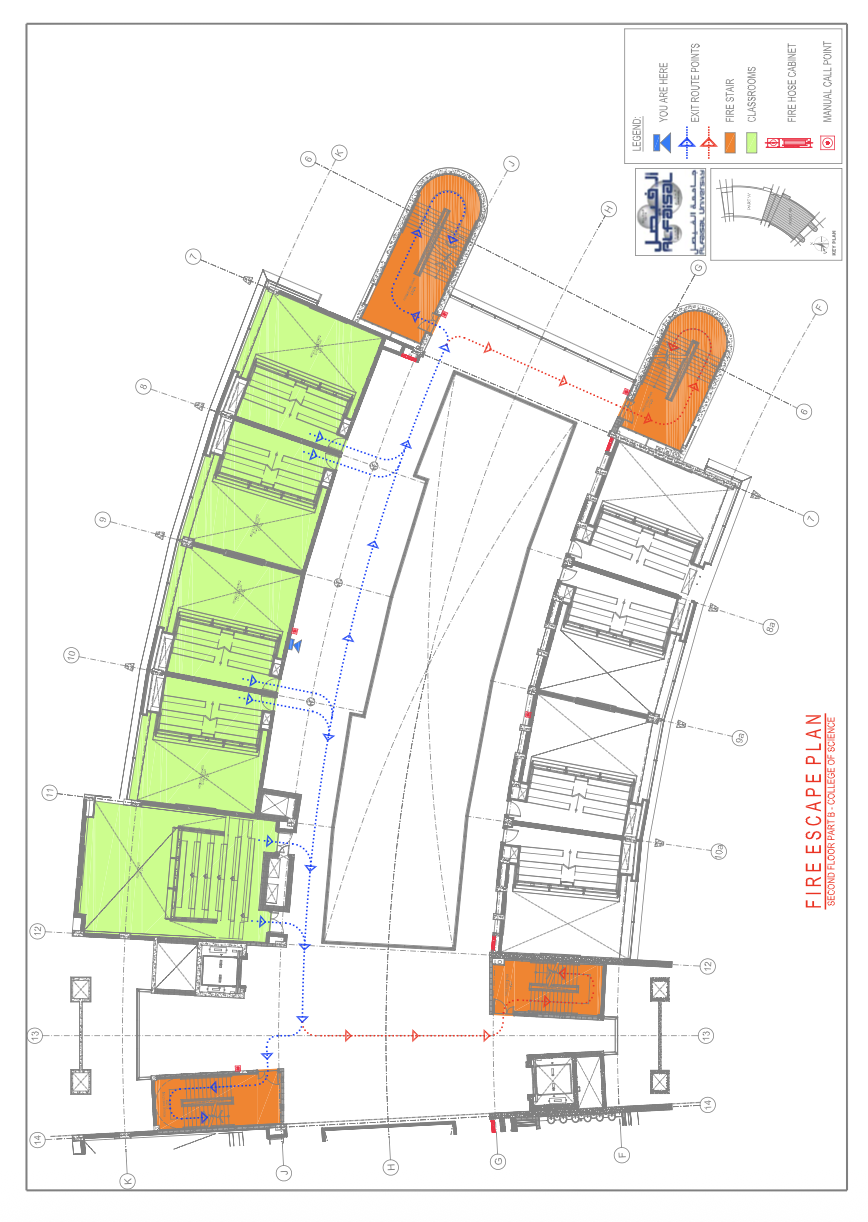
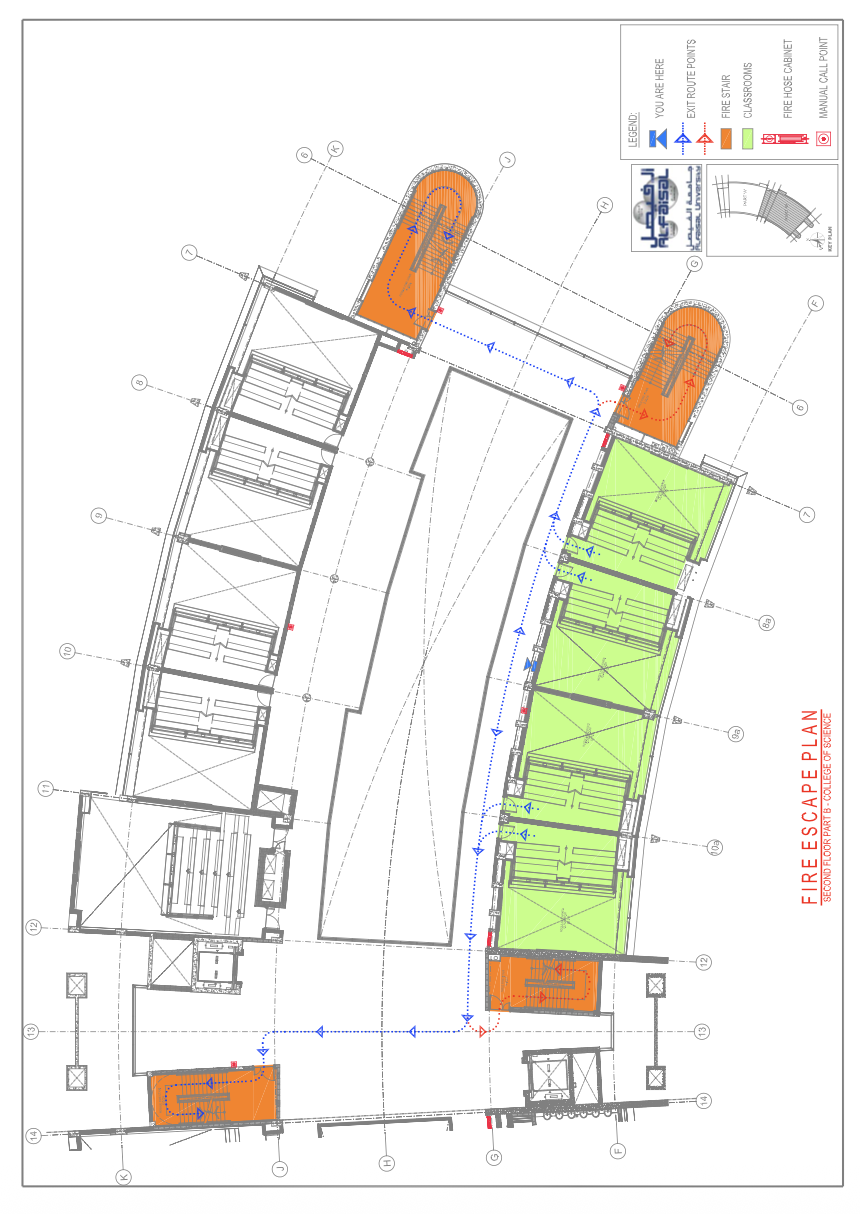
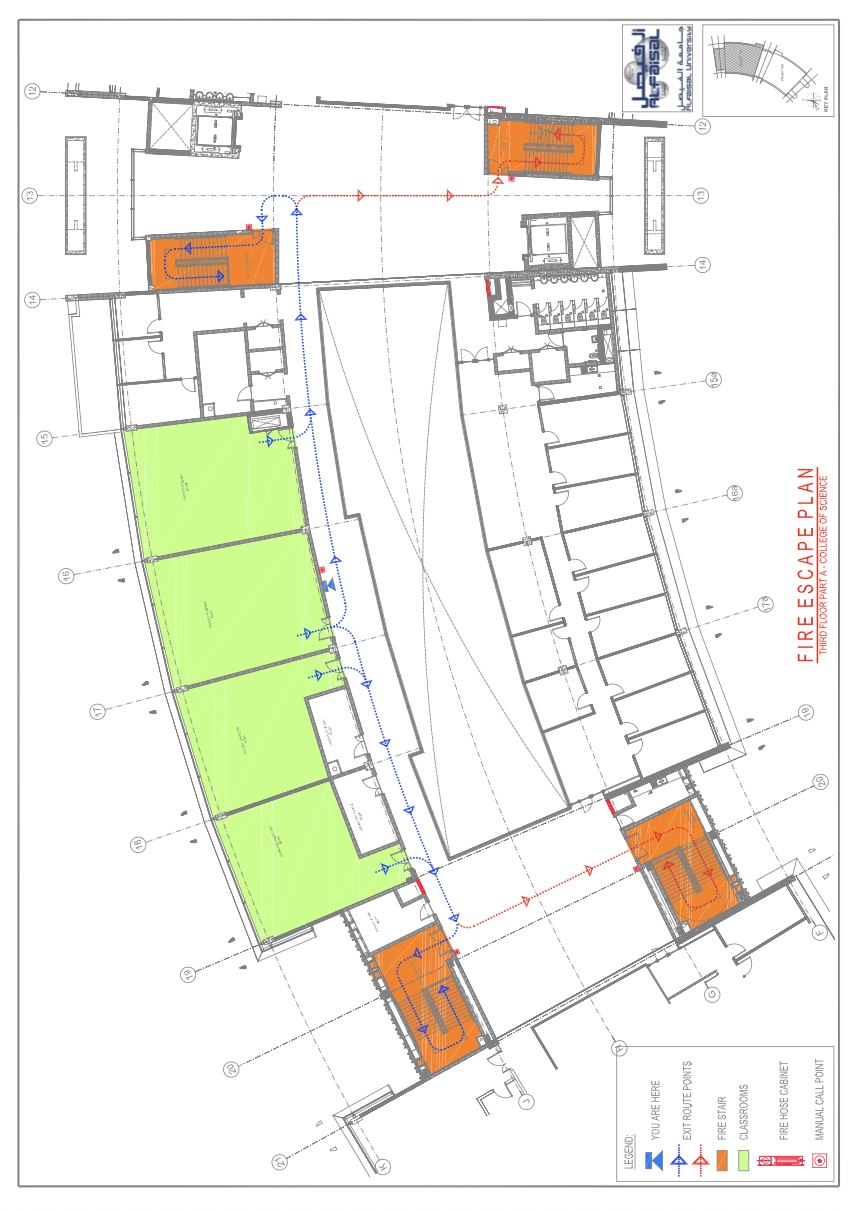
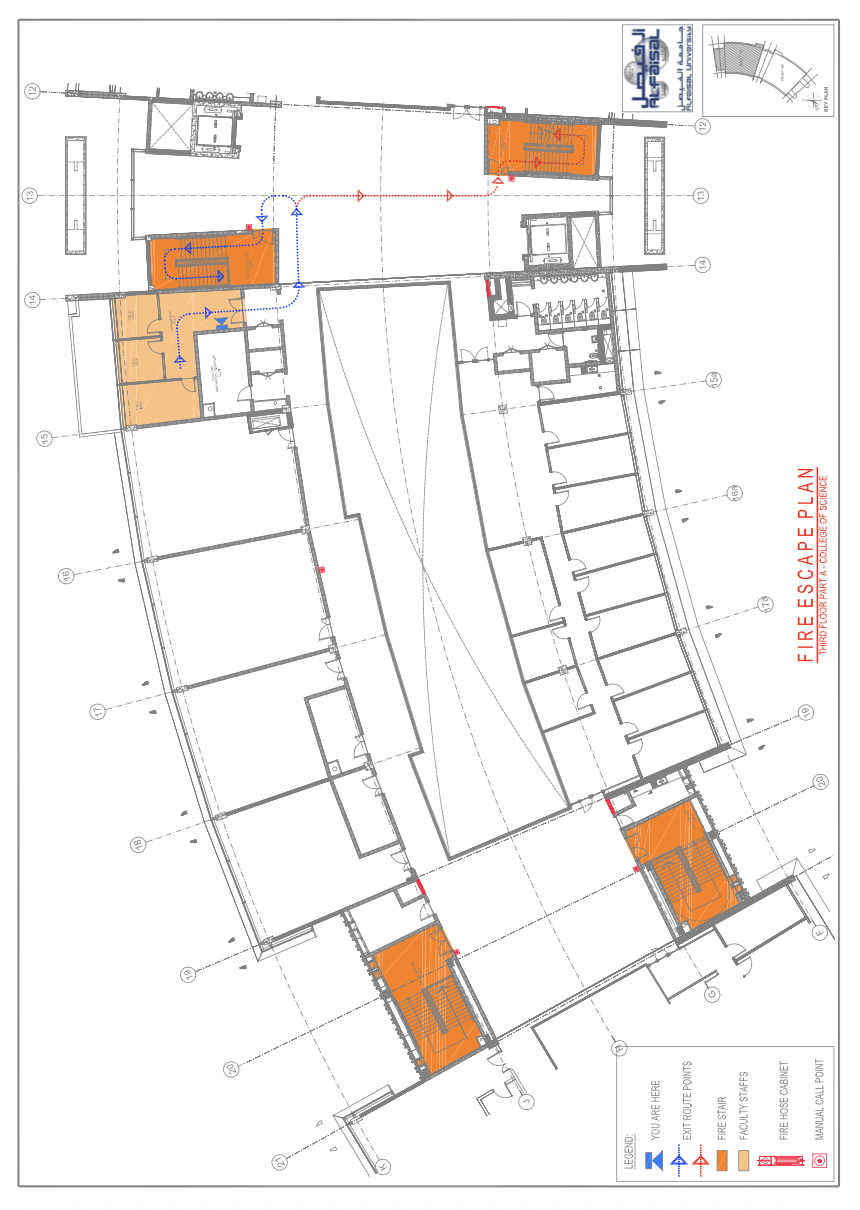
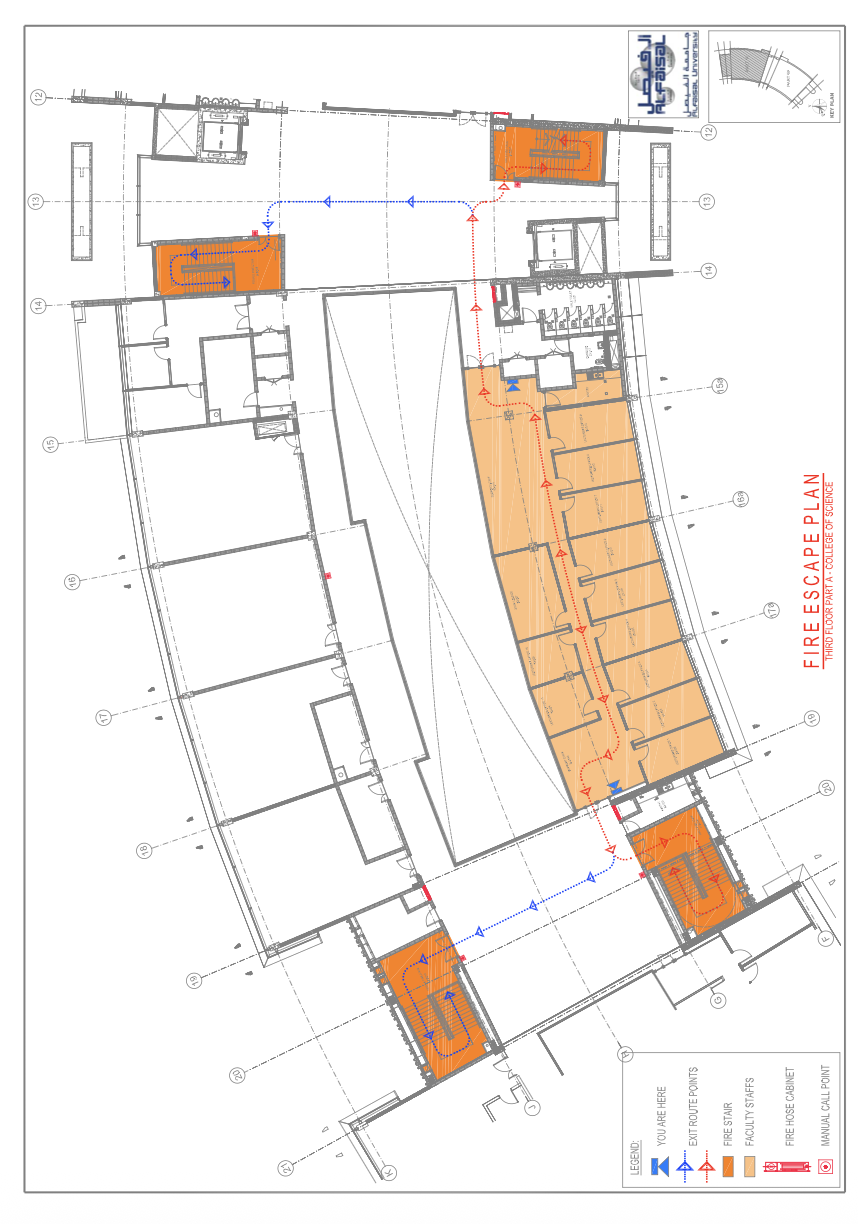
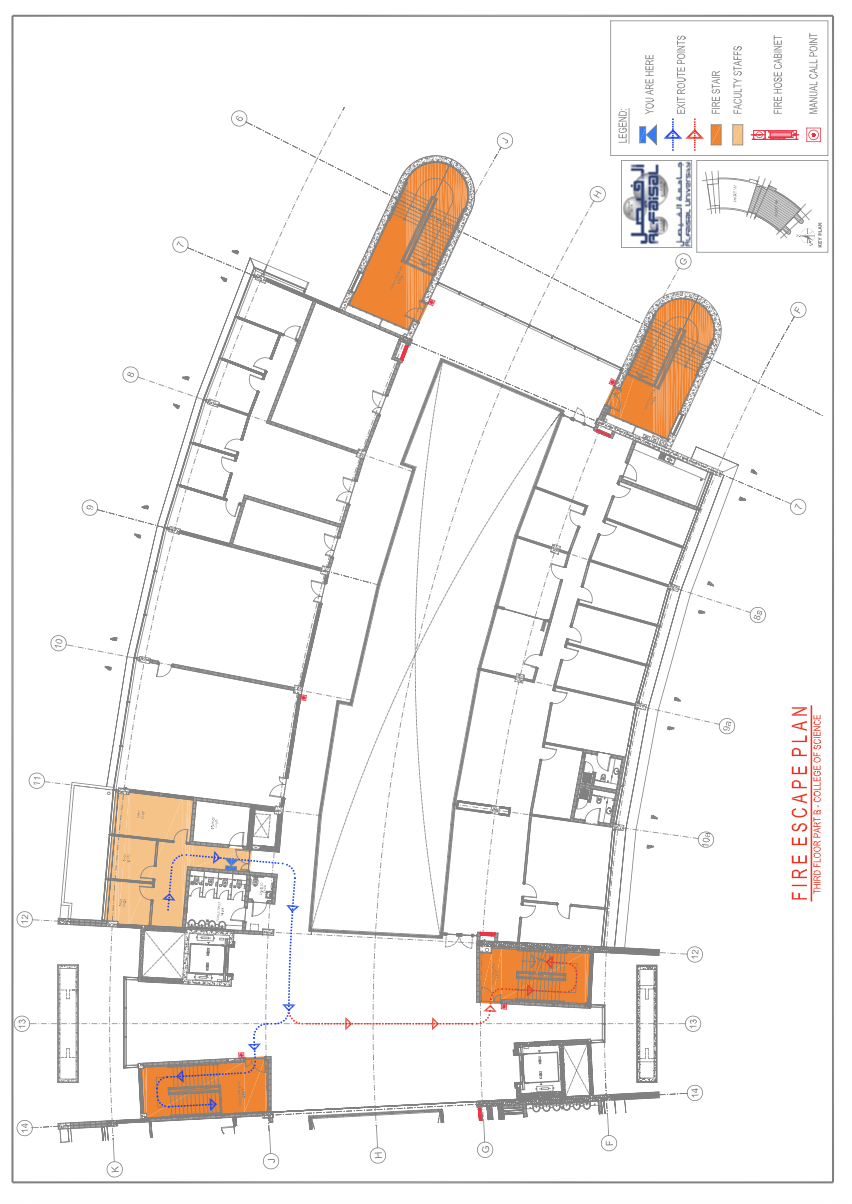
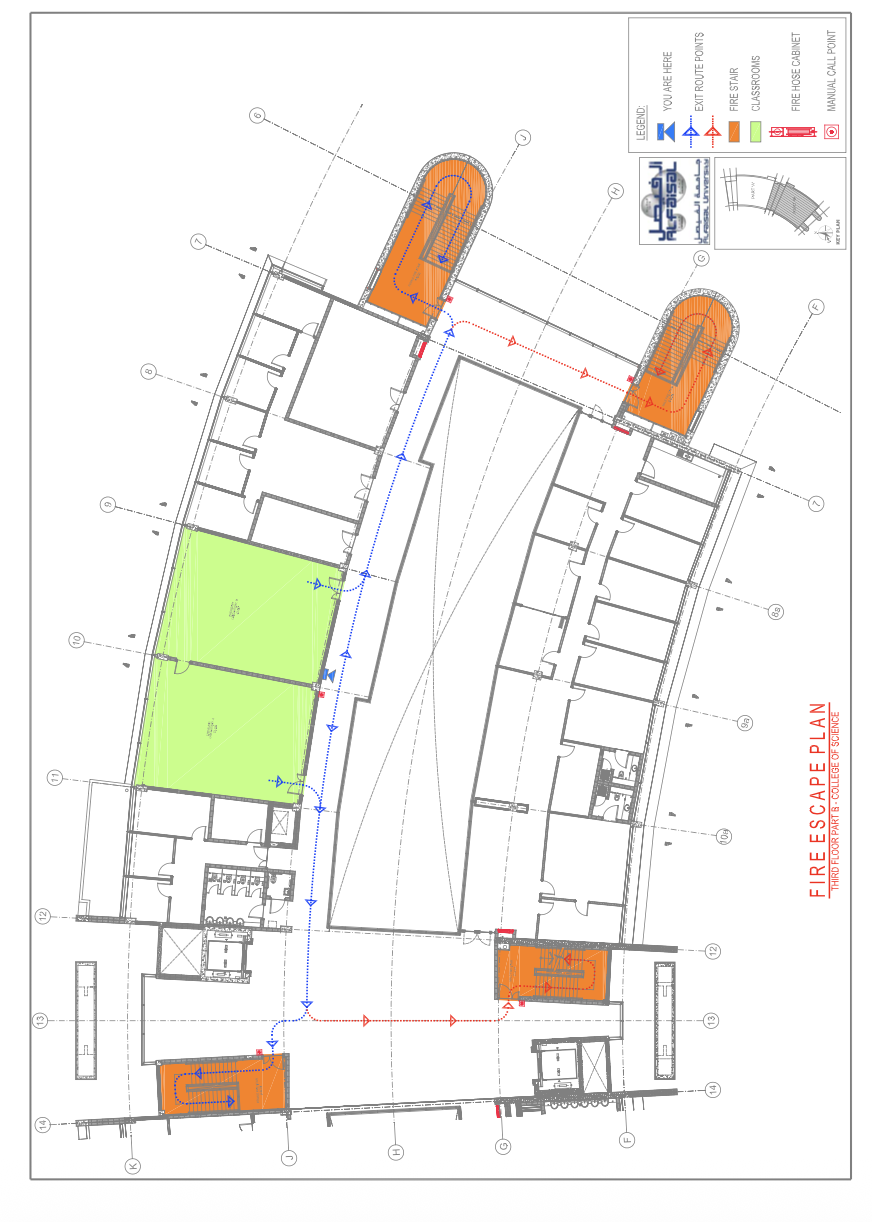
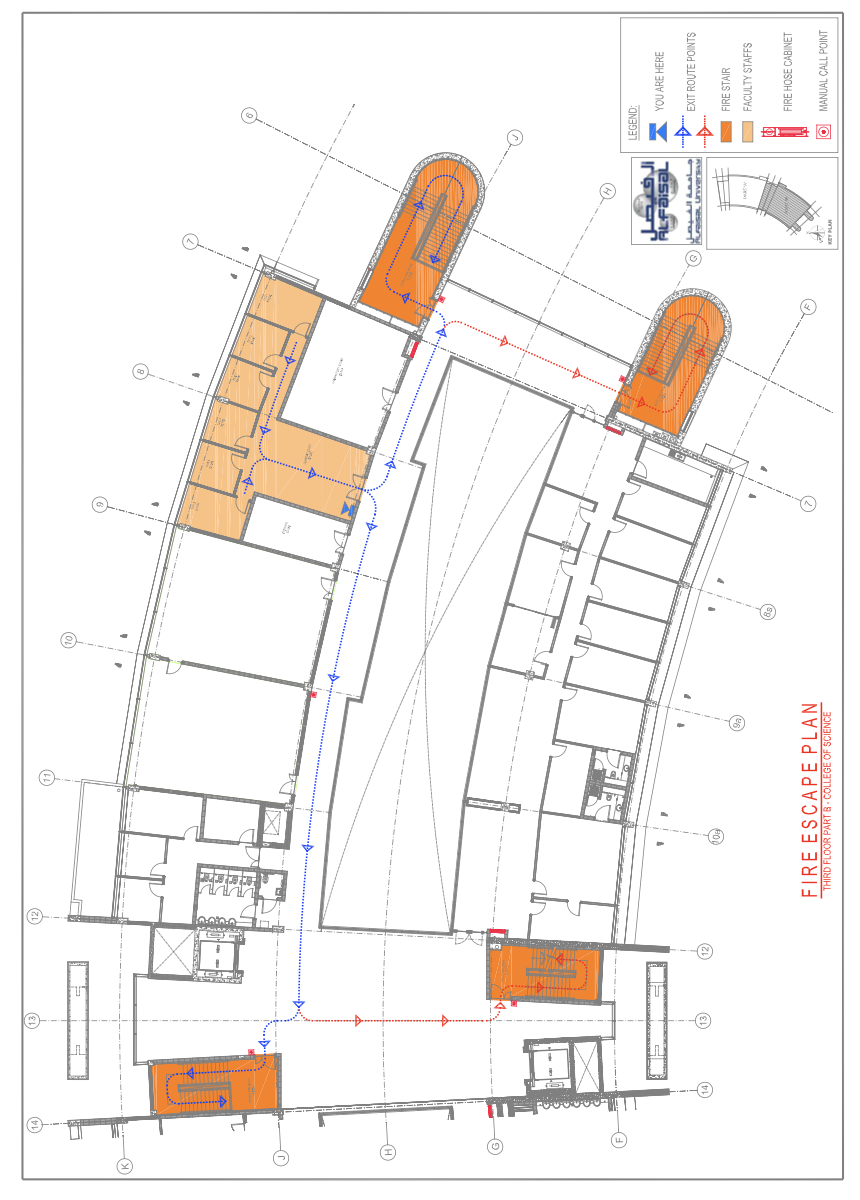
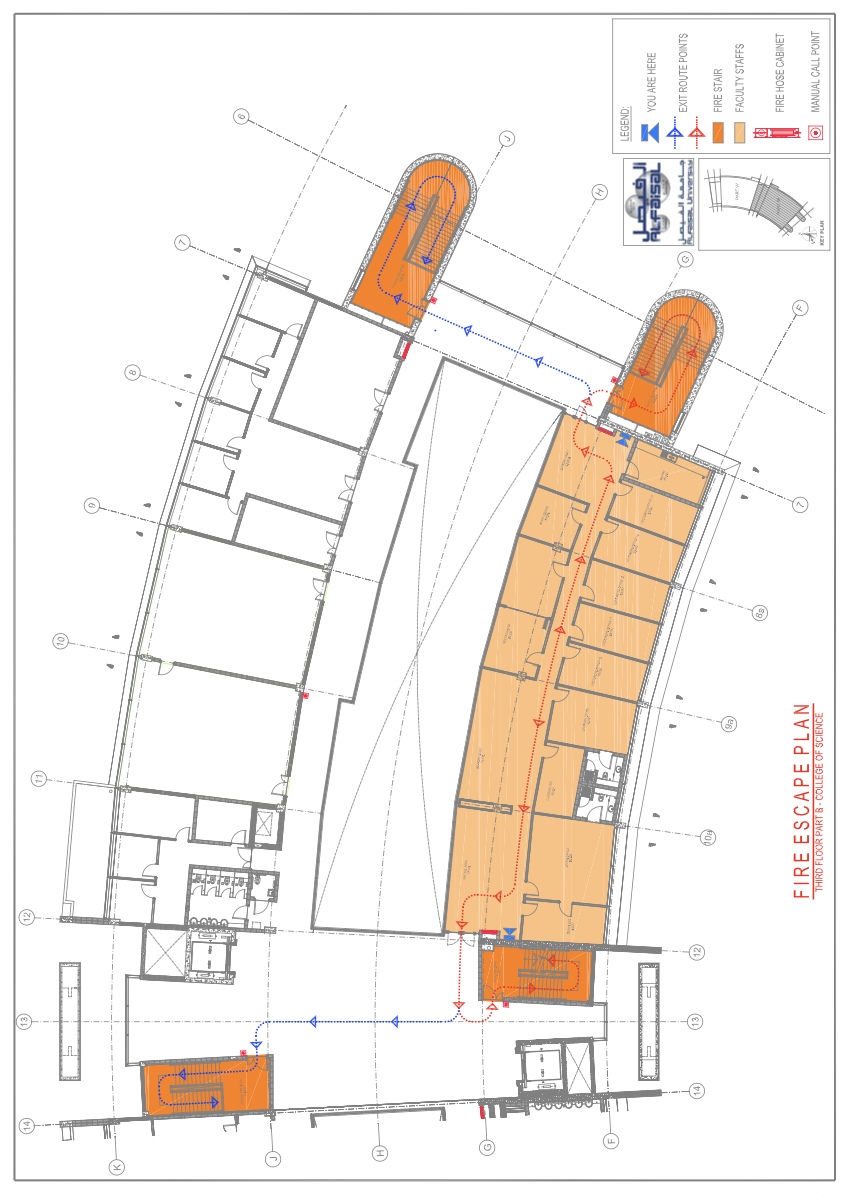
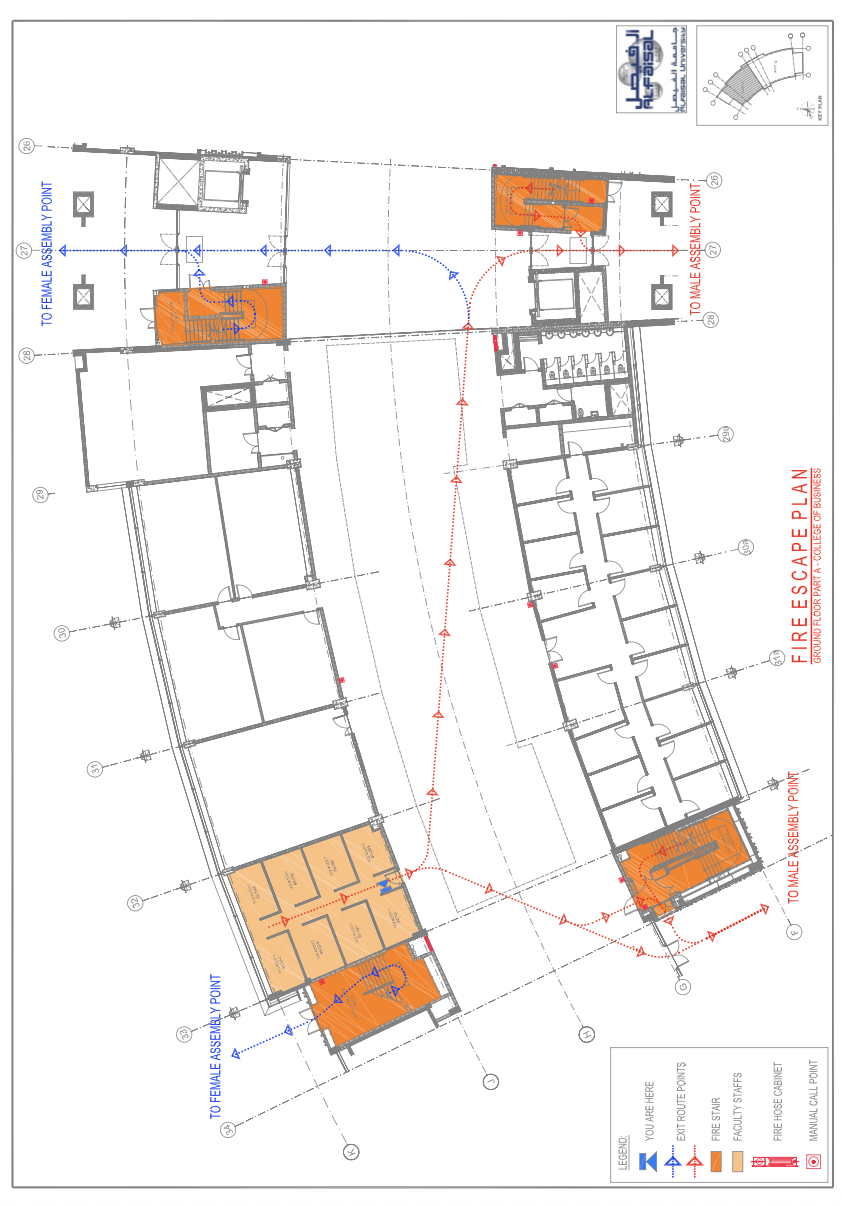
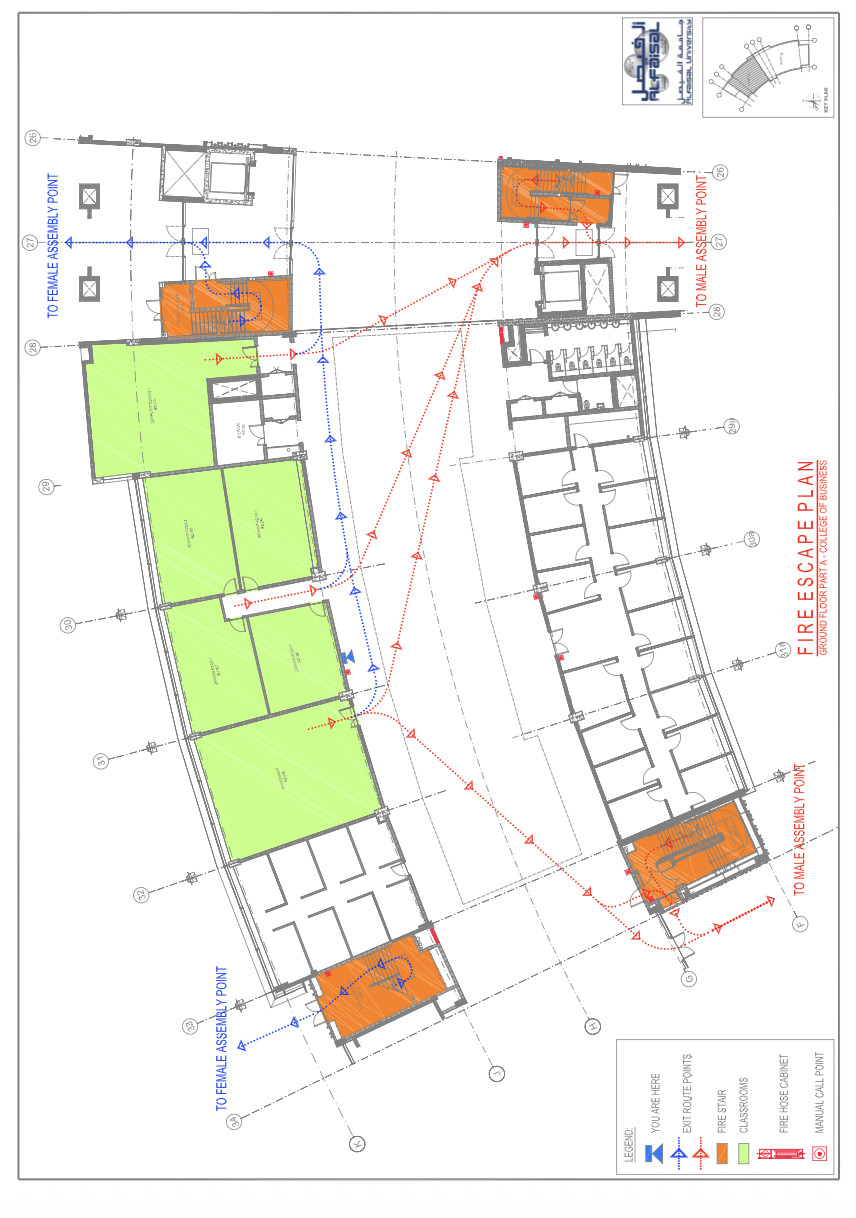
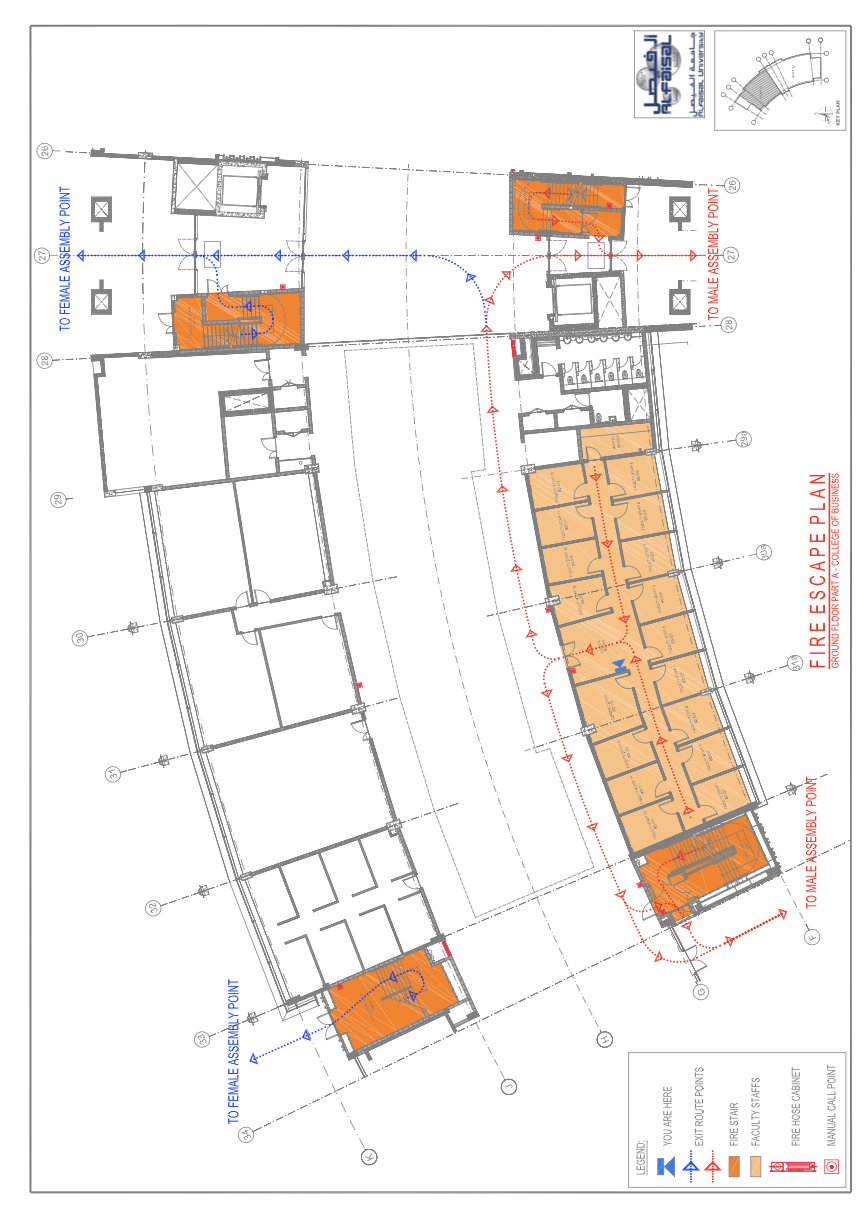
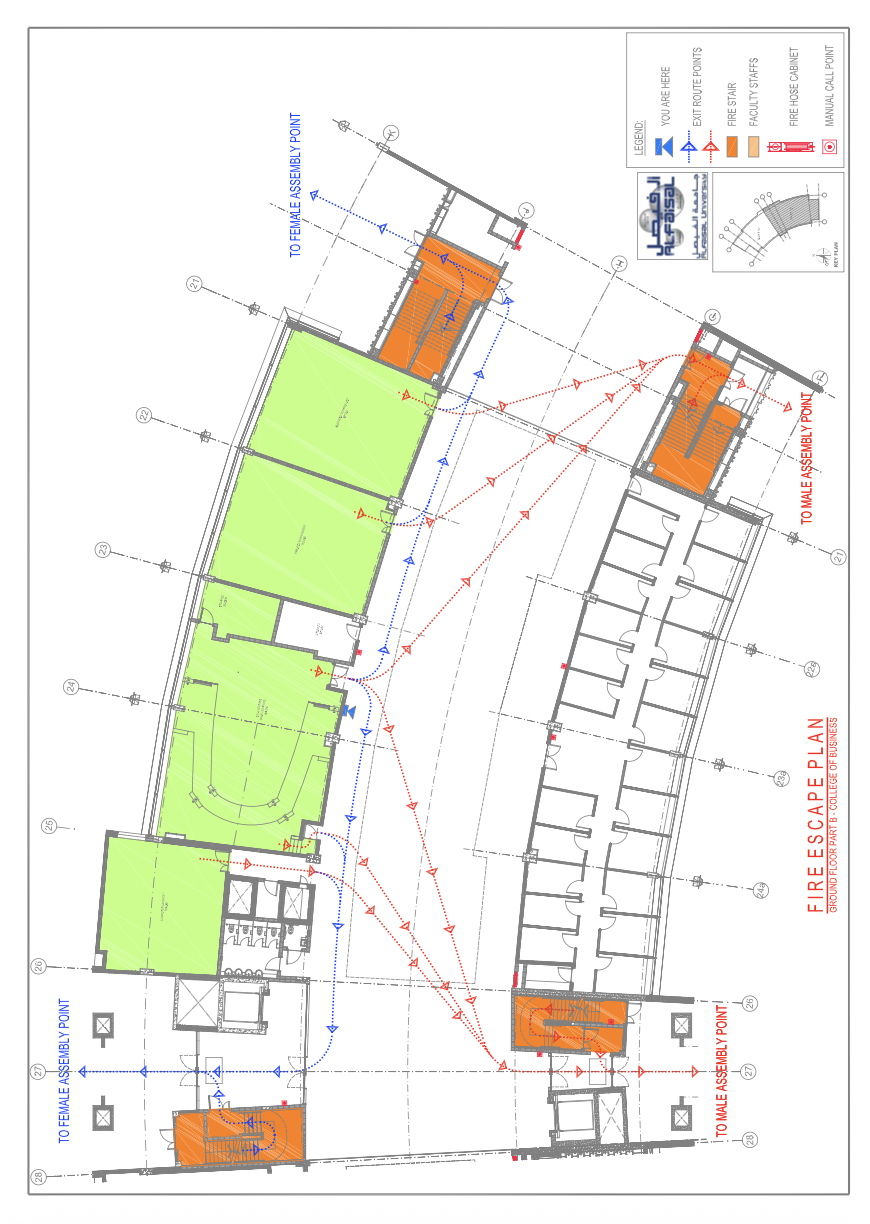
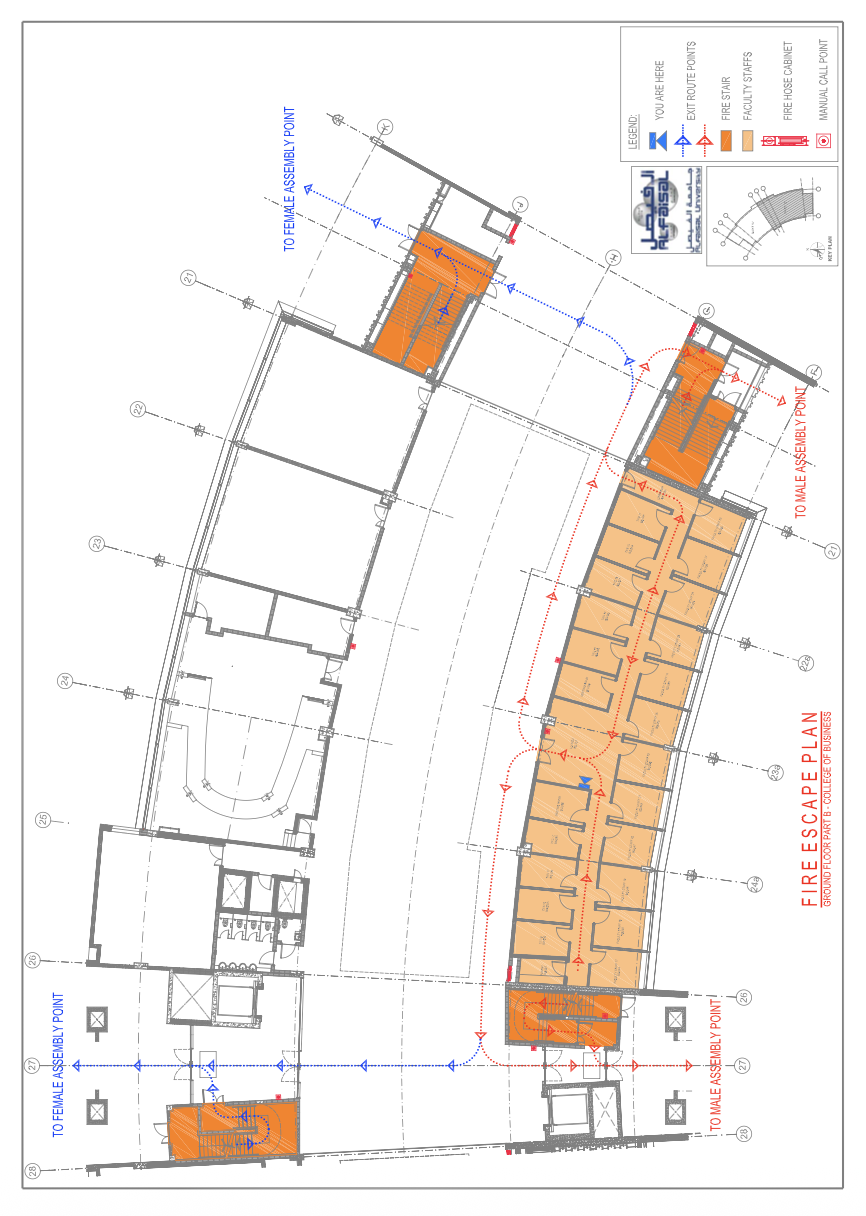
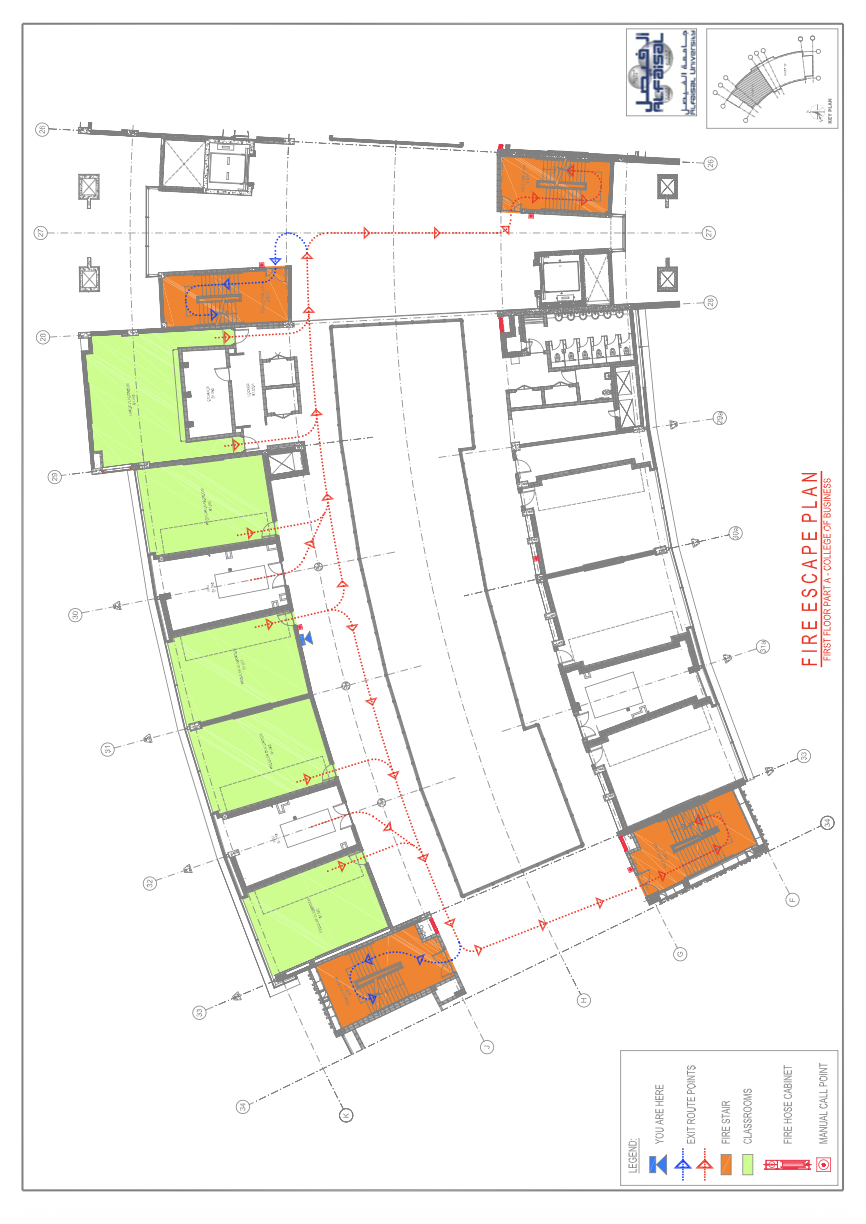
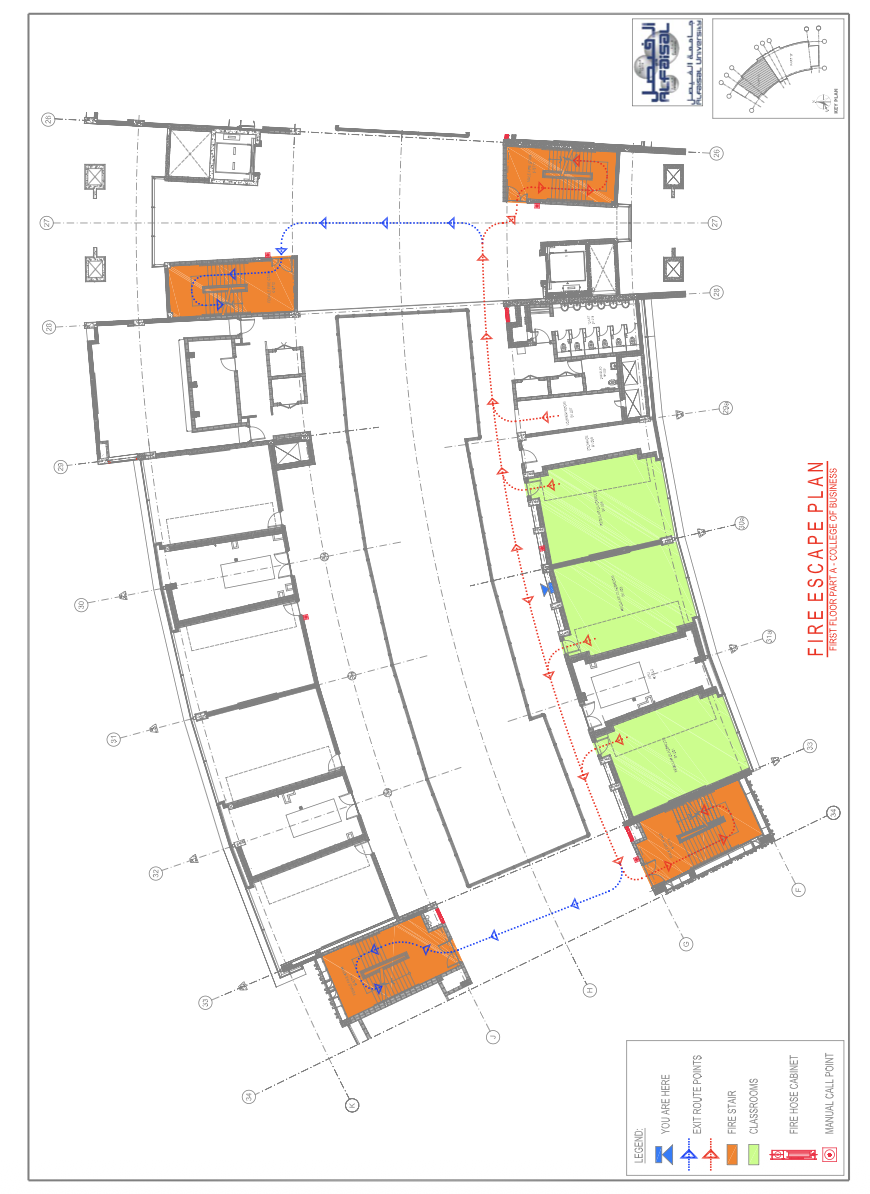
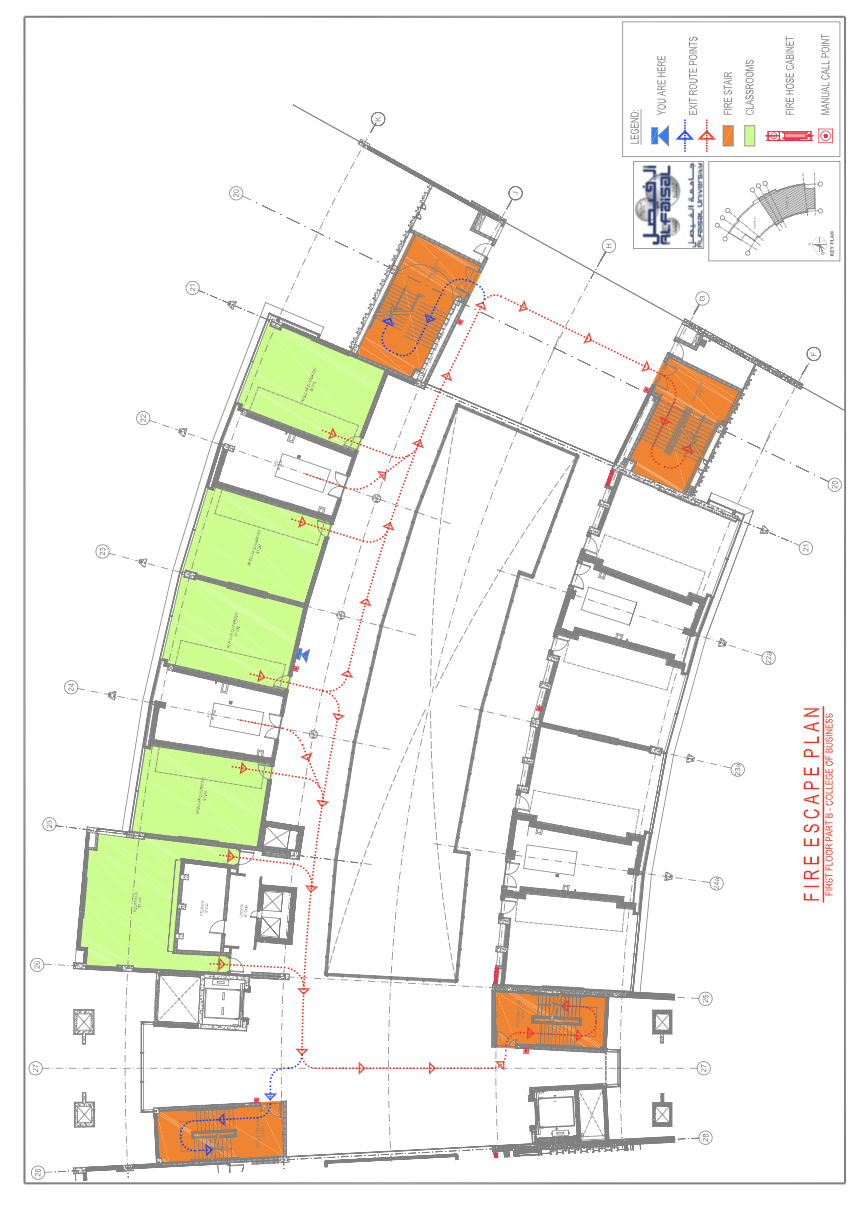
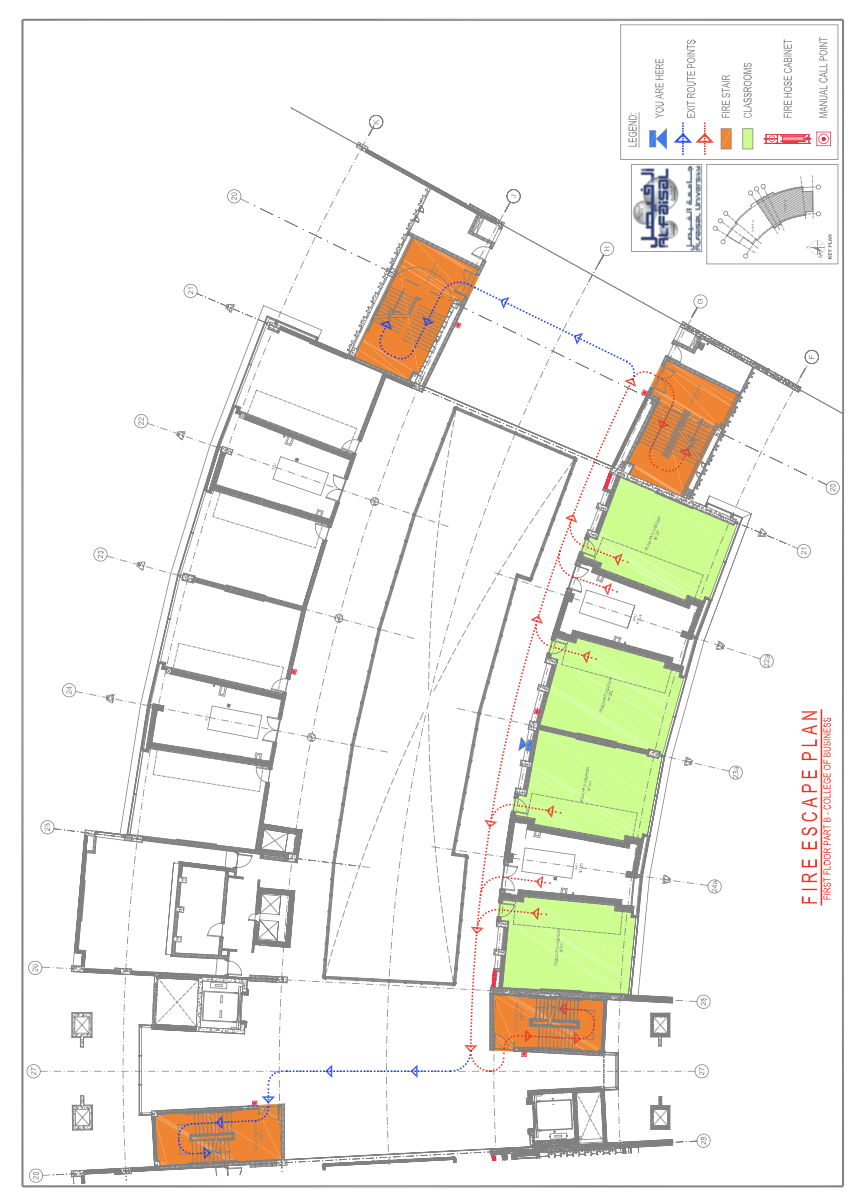
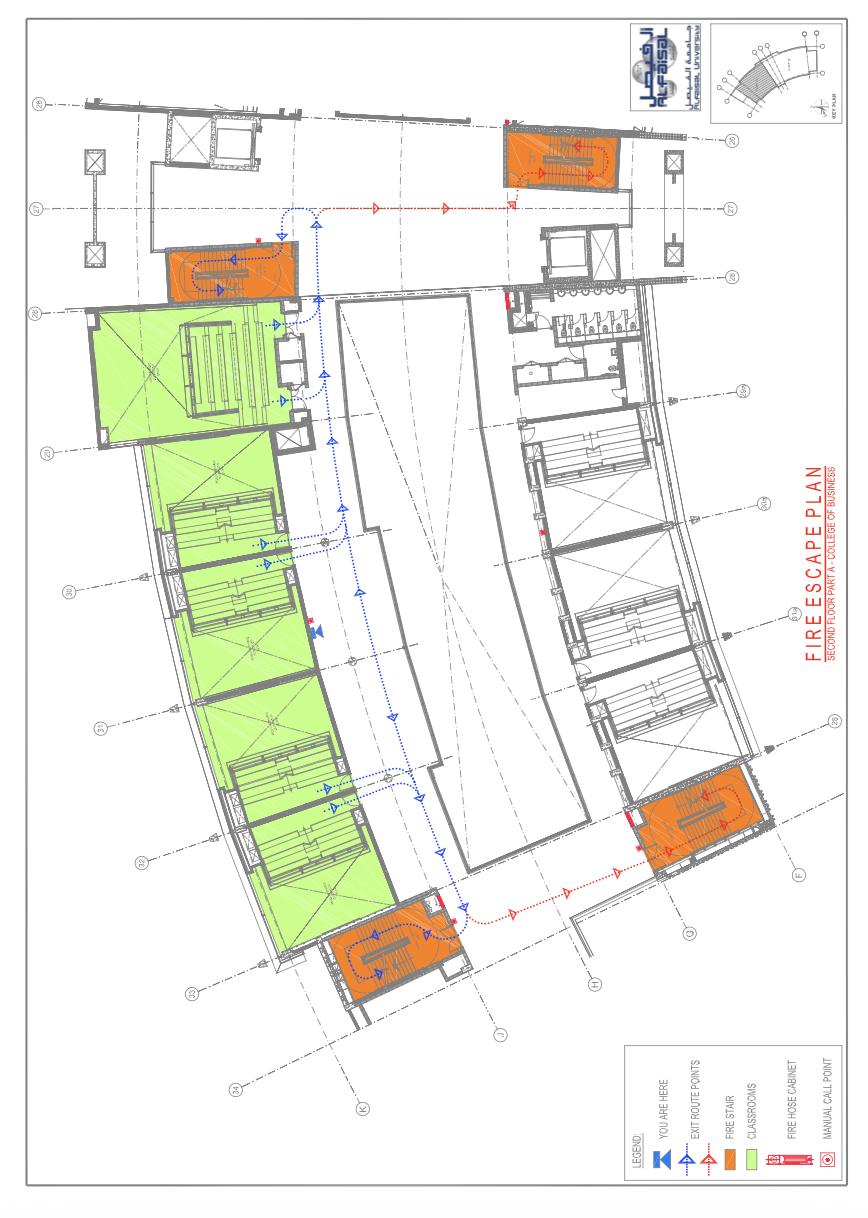
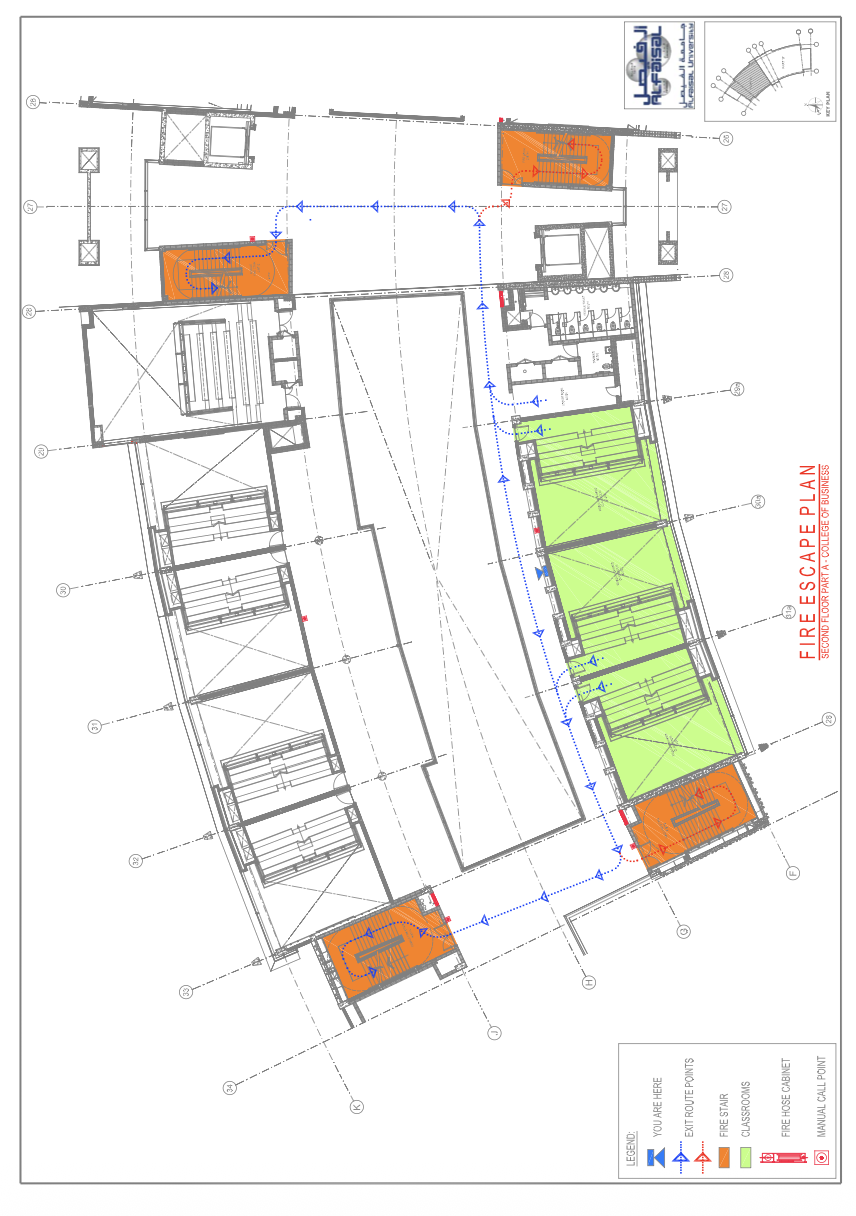
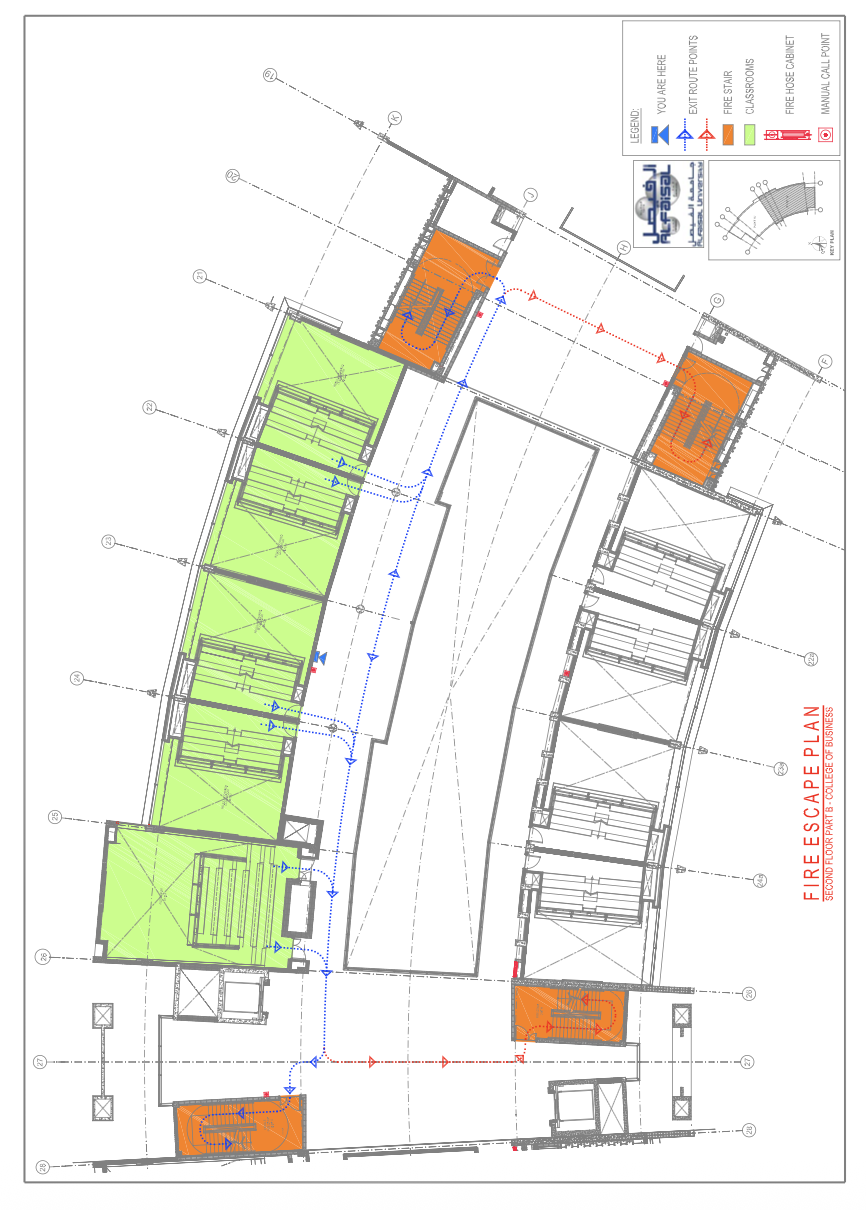
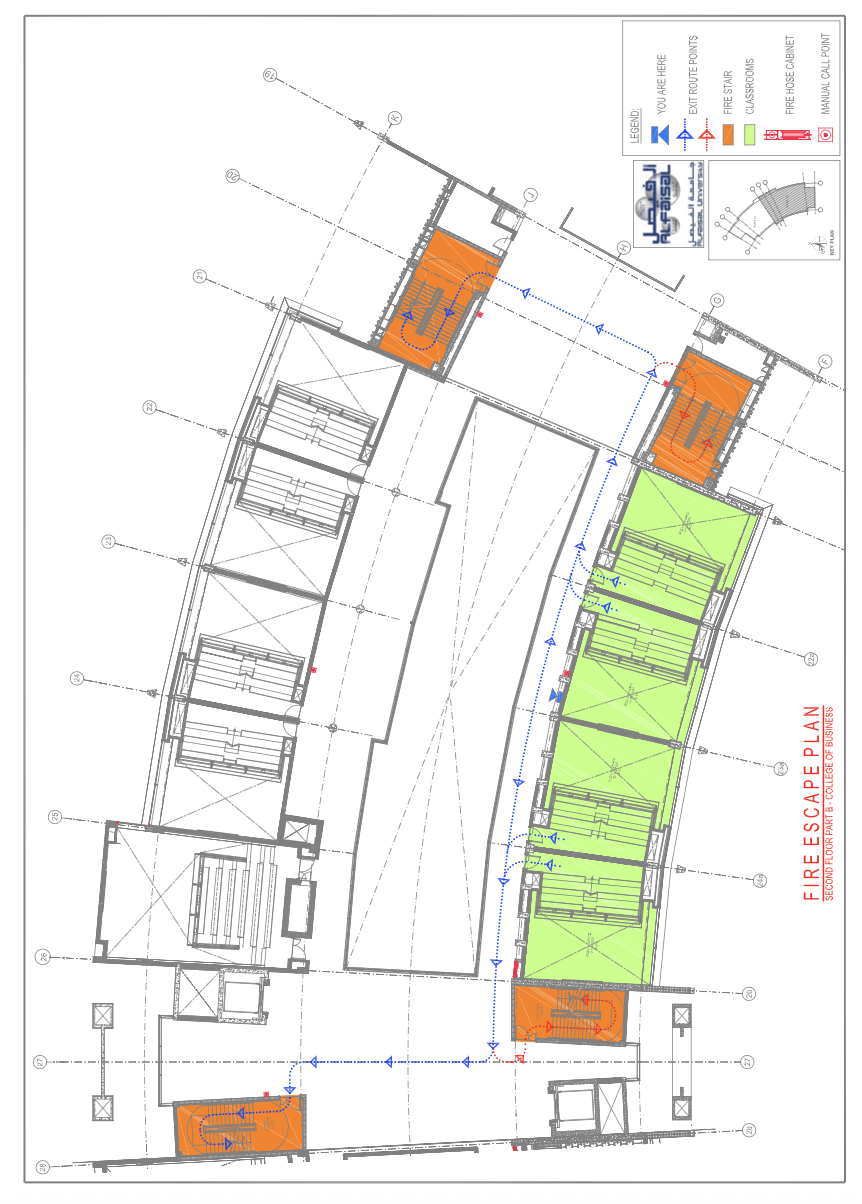
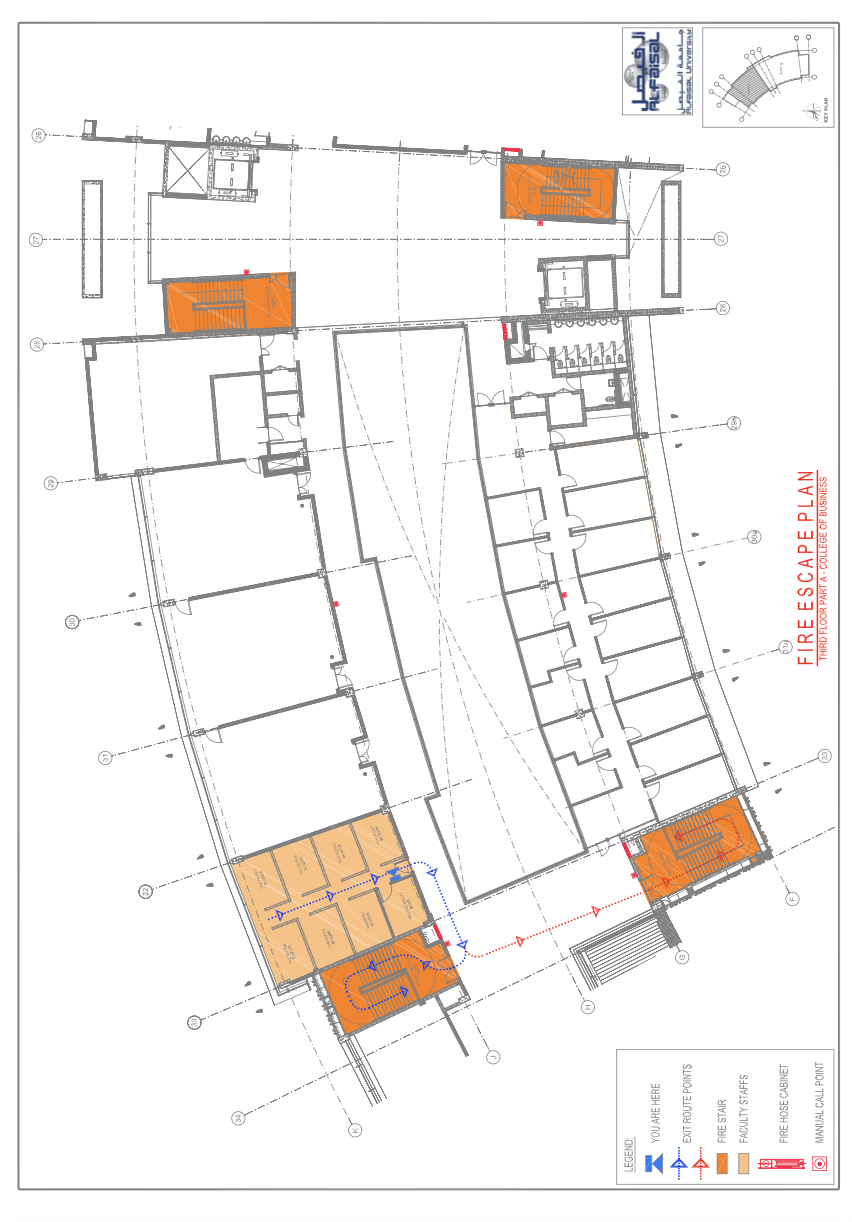
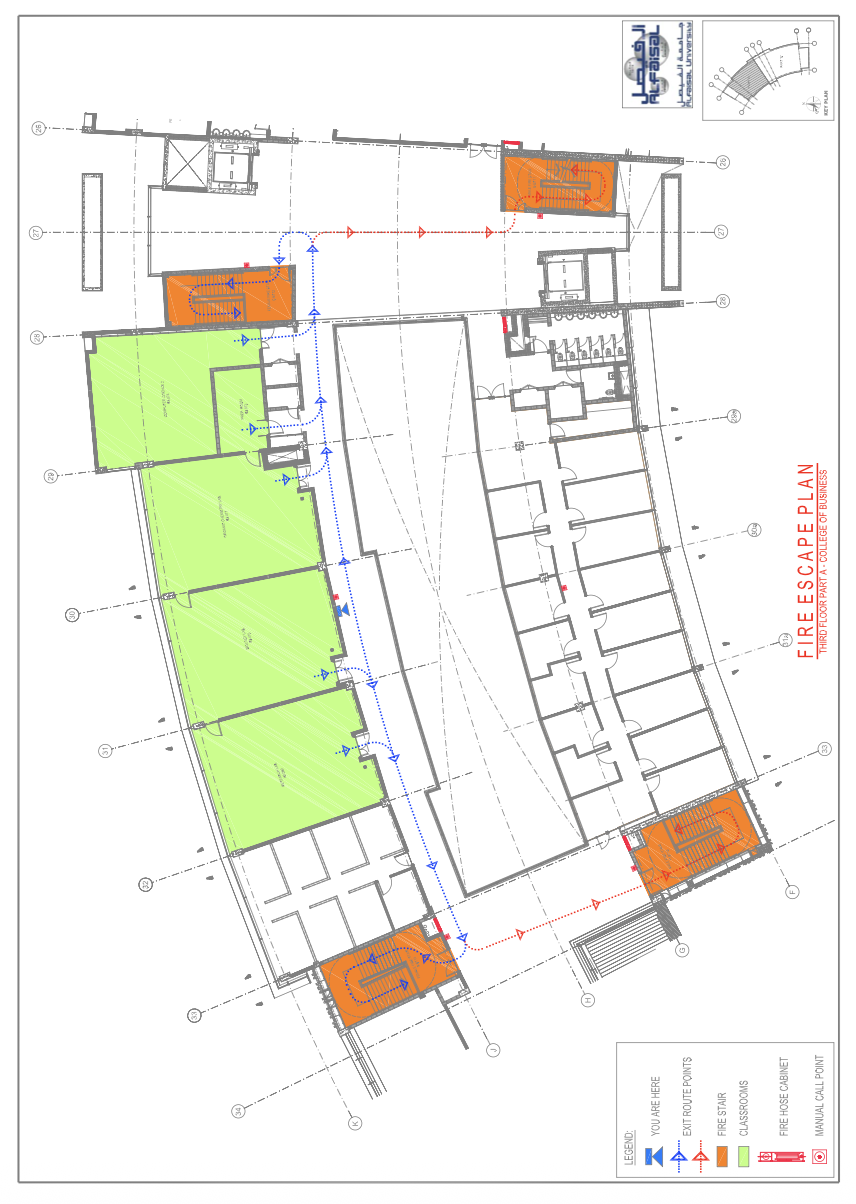
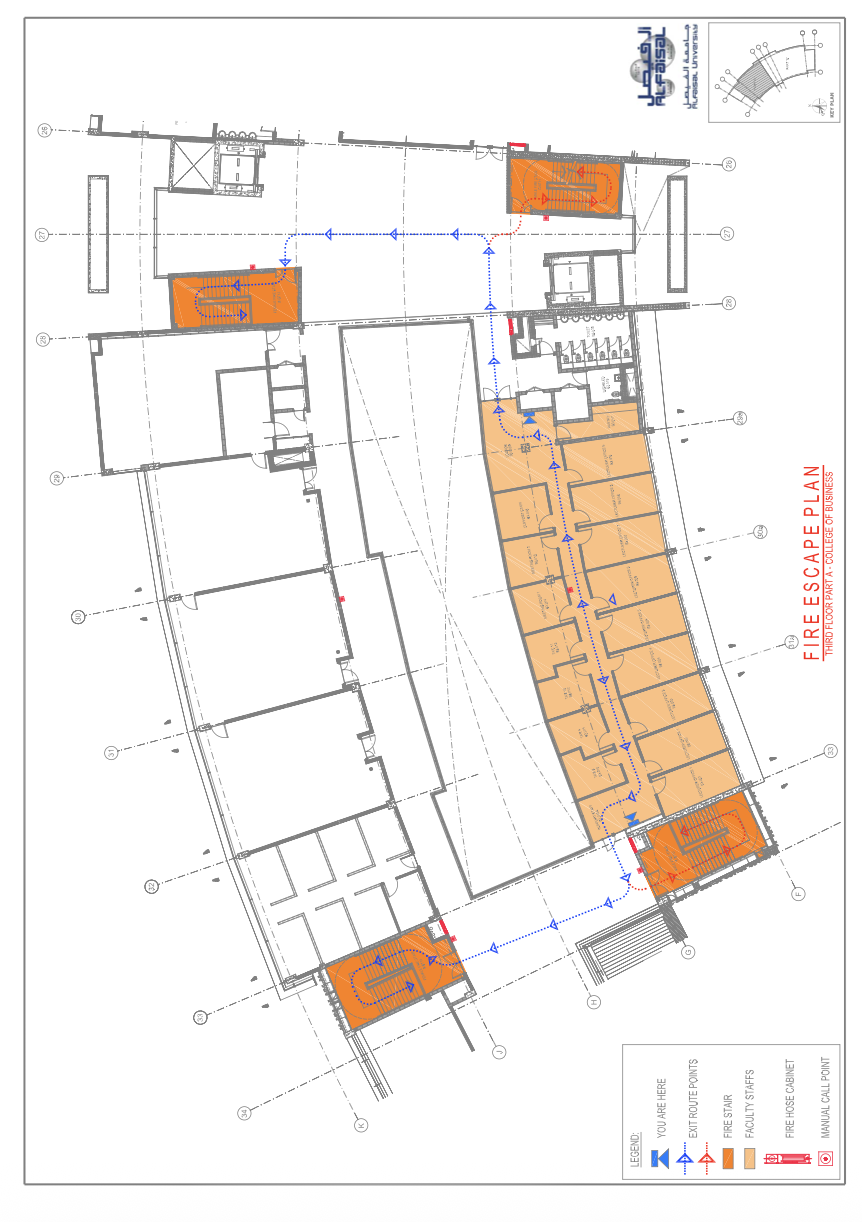
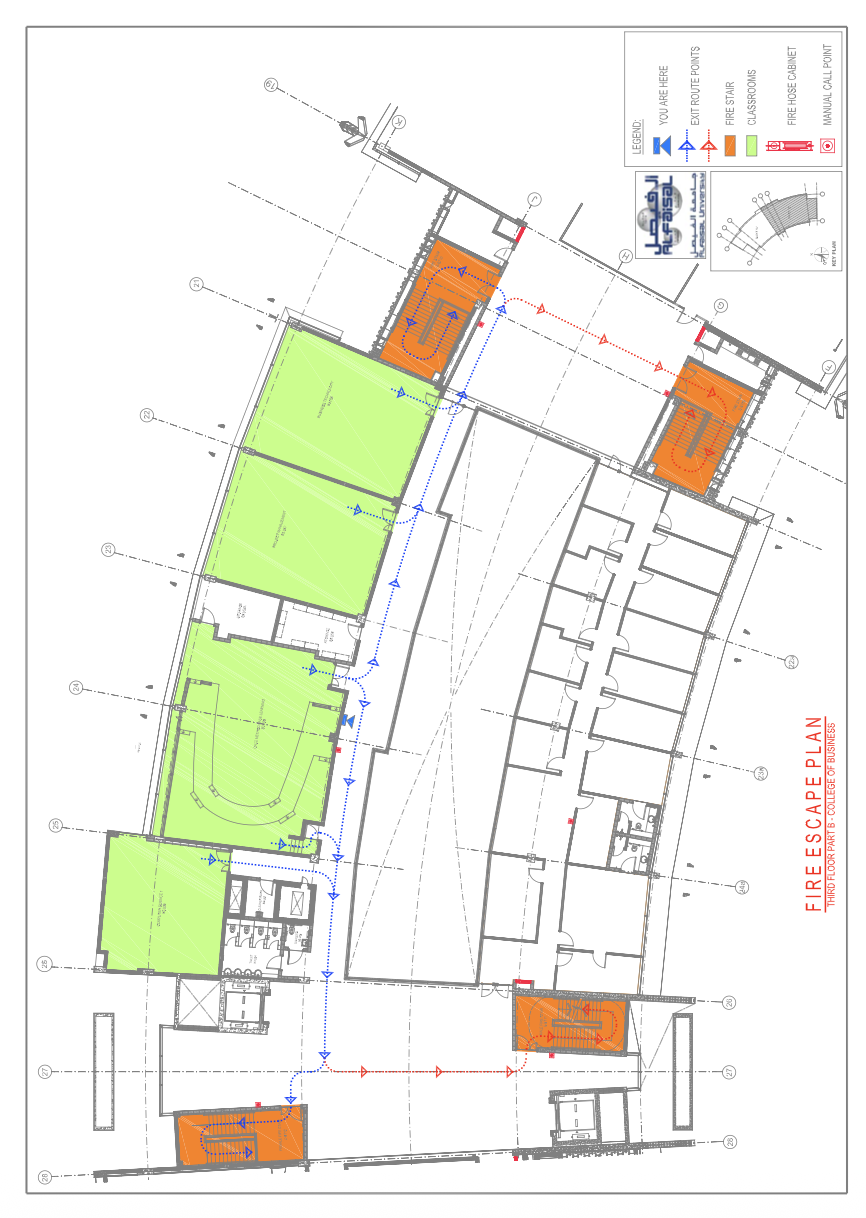
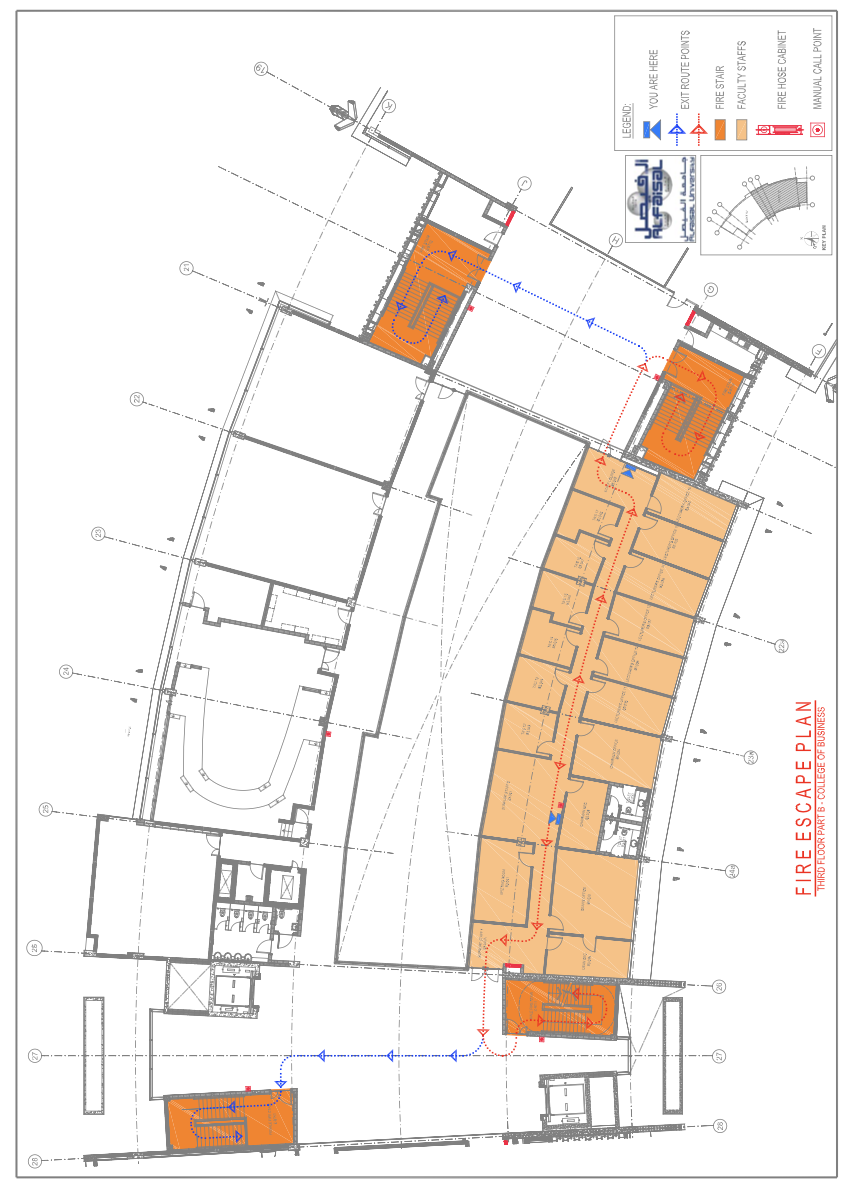
- Determine the evacuation route, exit doors, and emergency staircases are not obstructed, please refer to Appendix B.
- Commands and evacuation orders for building occupants are prepared.
- Prepare equipment(s) required for the fire drill & evacuation exercise.
4. Actions to be taken when conducting the Drill
The activities / actions below are to be carried out during a Fire Drill:
- Sound the fire alarm and announce on PA system “FIRE, FIRE, FIRE.”
- Follow the emergency procedures, as below:
- Actions to execute when fire is discovered, please refer to Appendix A.
- Actions to execute when order to evacuate building is given, please refer to Appendix A.
- Actions to execute when Hazardous material (Chemical, Biological) spill is discovered, please refer to Appendix A.
- Emergency Response team to carry out their duties.
- ERT members are to call for evacuees to gather and conduct a headcount.
- Numbers are to be reported to the Management.
- Details such as time needed to evacuate, methods of evacuations, rescue activities, comments, etc., are to be recorded by ERT.
5. Closing
Fire or any other emergencies could happen at any time without warning. They can hurt or take lives and destroy properties. A Fire Drill and Emergency Evacuation is a necessary exercise that the organization should embark on to ensure readiness and preparedness of the staff in the event of an emergency. In any emergency situation, saving lives shall always be the first and foremost priority.
6. Appendix A
6.1 Emergency Procedures
6.1.1 You discover a fire:
- Help people in immediate danger
- Warn others by shouting “Fire, Fire, Fire”, raise the alarm by breaking the nearest “break glass panel” if not yet already sounding, and contact Emergency Response
Team at the numbers below;
SSS: 7853
SS: 7864
SC: 7857
- Decide if you can put the fire out, if you are not sure, do not attempt to.
- Don’t attempt to use a fire extinguisher if you have never been instructed on how to use one.
- If you can put out the fire then do so, if not proceed to evacuate the building.
- Inform the Security Department of the fire location and details.
6.1.2 You discover a Hazardous material Spill:
- Move away from a spill to a safe location, alerting others and closing doors behind you.
- If possible without endangering others shut off any ignition source.
- If exposed, utilize eye wash or deluge shower to minimize health risks.
- If someone could be in danger, call ERT or activate building fire alarm if evacuation is necessary.
- Wait in safe location for responders and follow their instructions.
6.1.3 You hear the fire alarm ringing or when order to evacuate the building is given:
- Prepare yourself to evacuate the building.
- Switch off all computers, printers and electrical appliances.
- Close all doors.
- Gather your personal belongings in preparation to immediately evacuate the building.
- Organize/help other people in the room.
6.1.4 While Evacuating the building and proceeding to the assembly area:
- Move at a quick walk, do not run.
- DO NOT:
- PANIC
- Use the ELEVATORS
- Return to the office / room to take things
- Overtake or push other evacuees
- Be playful, joke around or make light of the evacuation
- If you have to move through a closed door that you cannot see through:
- Feel the door to see if it is hot;
- Look for smoke coming under the door;
- Open the door slowly and look around it to see if there is a fire behind it;
- If there is no fire on the other side, proceed through and close the door behind you;
- Evacuate the building using the nearest emergency exit route, refer to Appendix B.
- If the smoke is too thick, get under the smoke by crawling. You should be able to see where you are going.
- If there are occupants who are sick, hurt or disabled, assist them to evacuate the building.
- Move to the assembly areas as quickly as possible.
- Report to Emergency response team that you/your group is there and if you know of anyone trapped in the building;
- Remain in the assembly area and wait for instructions from ERT members.
- Re-enter the building in an orderly fashion only AFTER the building is declared safe by ERT.
6.1.5 Do not dillydally: REMEMBER
- Fires spread rapidly;
- Fires produce thick black smoke that is difficult to see through and causes suffocation;
- The freshest air will always be near the floor;
- Move quickly. Do not run;
- Be decisive;
- Think for 10 to 30 seconds;
- Make a decision and follow that decision
6.1.6 Mobility impaired people
If you encounter a person with some form of physical disability that restricts their mobility, you may be required to assist them from the building. If you are unable to remove them from the building many stairwells have large open areas nearby. They can be left here, where they will be retrieved by emergency personnel on arrival. It is important to inform the ERT members of their location so that they can be retrieved as soon as possible.
7 Appendix B
7.1 Fire Escape Floor Plans
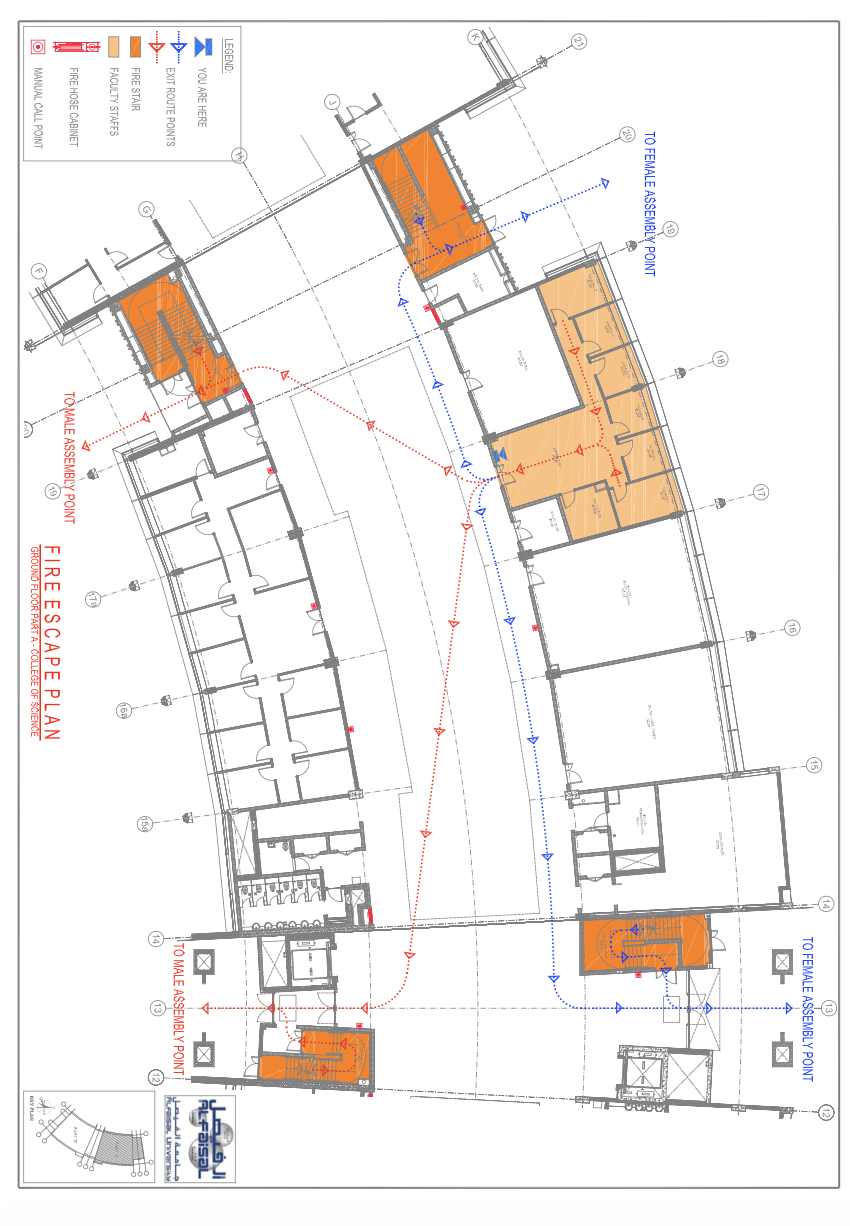
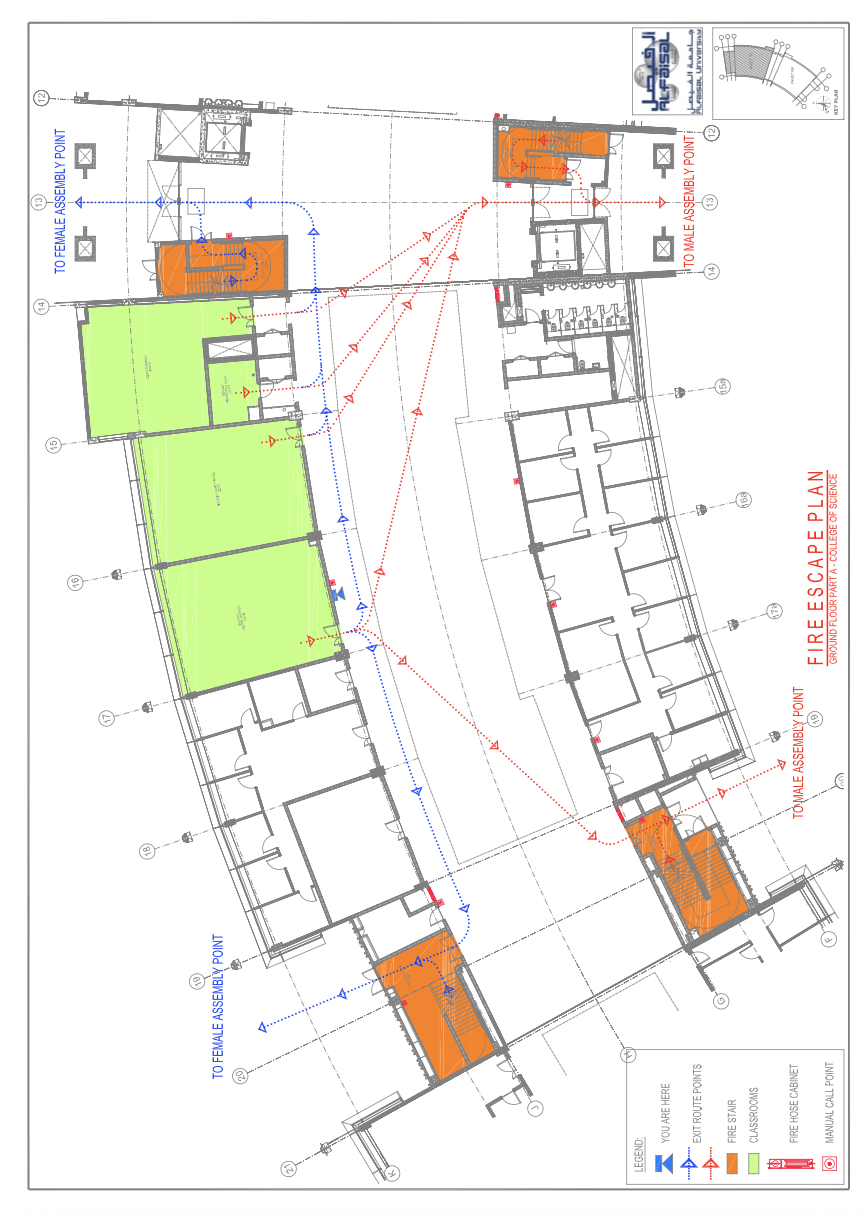
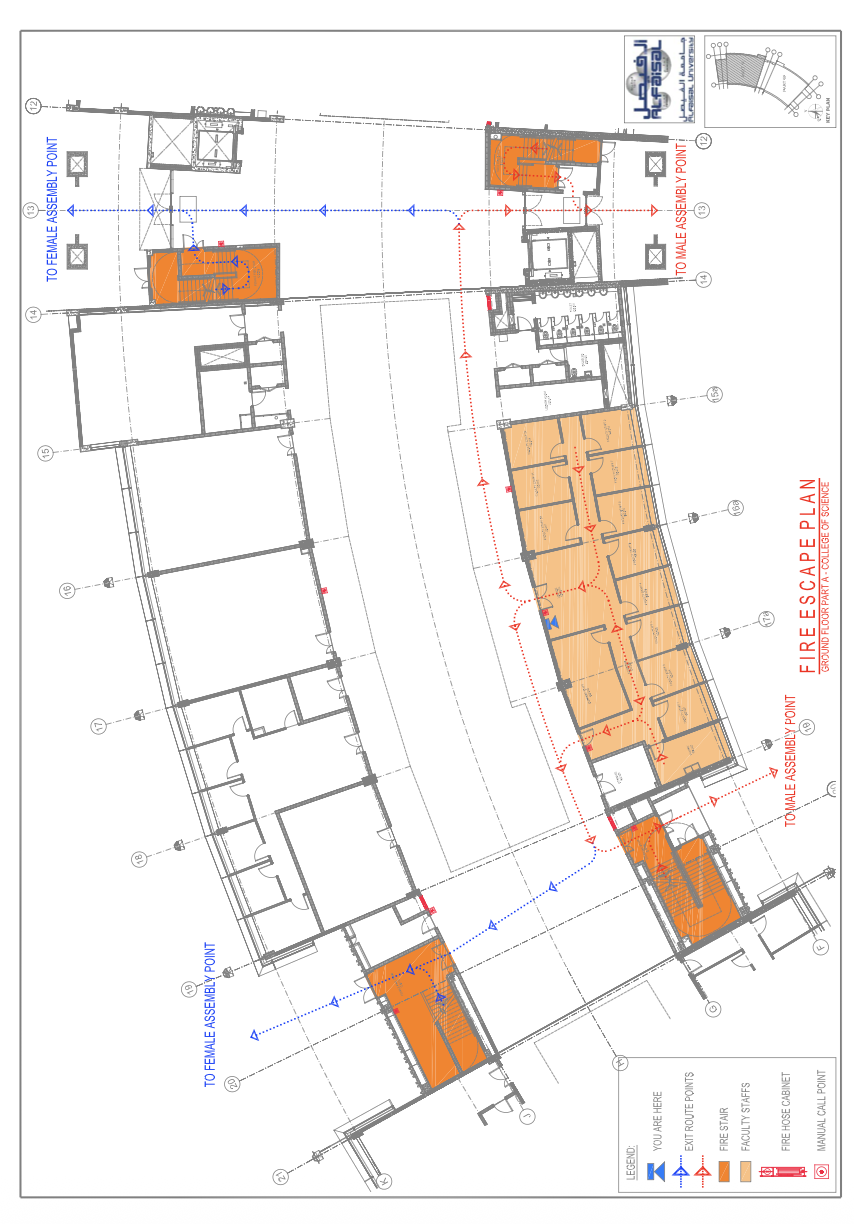
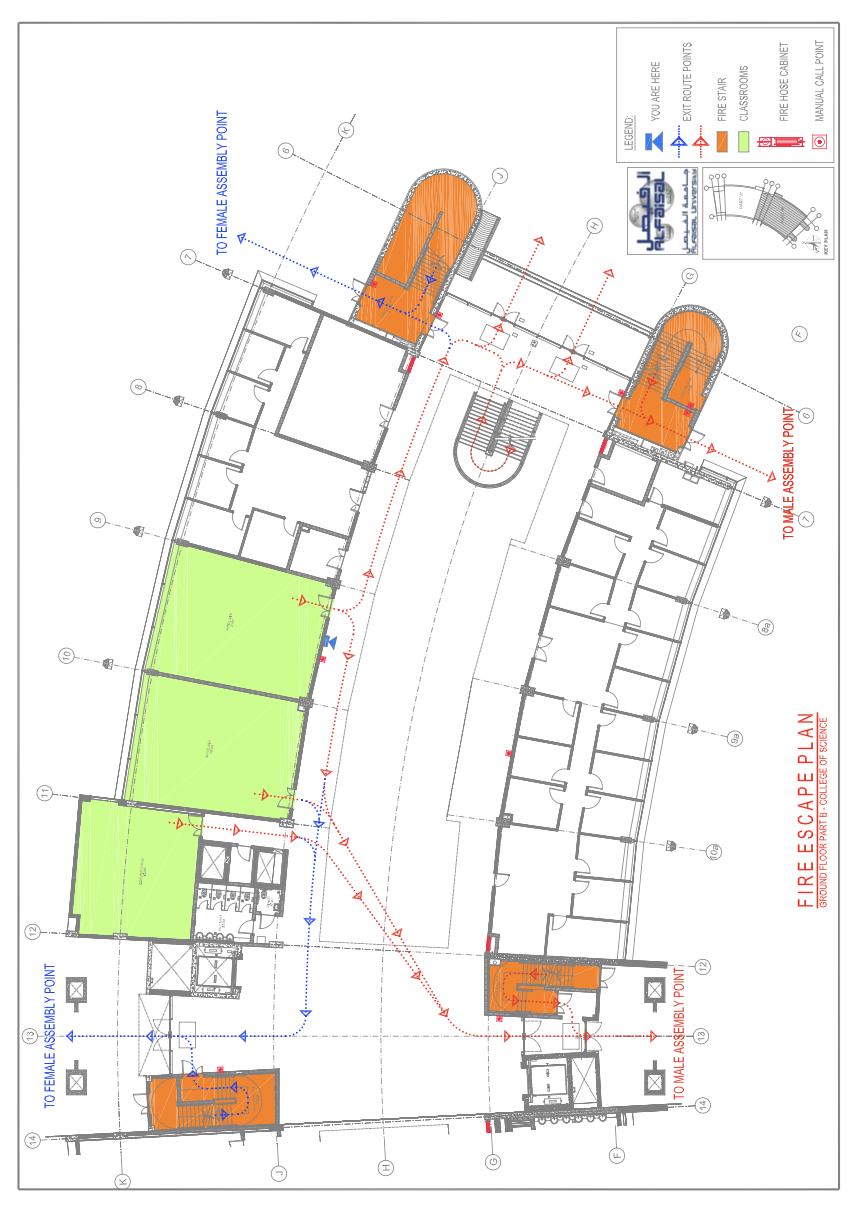
When told to evacuate the building for any emergency, please do so using the nearest emergency exit and report to Assembly Point. You can located the nearest exit and assembly point on the floor plans installed all over the campus premises, please refer to the attached “FIRE ESCAPE FLOOR PLANS” and identify the one for your area/premises.