
Jump to section
- 1. Introduction
- 1.1 Overview of Alfaisal University
- 1.2 Strategic Goals and Commitment to Quality
- 1.3 Graduate Attributes
- 2. Department of Accreditation and Quality Assurance (DAQA)
- 2.1 DAQA Responsibilities
- 2.2 DAQA Vision and Mission
- 2.3 Framework Requirements for DAQA's Success
- 2.4 DAQA Team Roles
- 2.5 National Qualification Framework
- 2.5.2 Level 6: NQF Level Descriptors and Placement Requirements (2020 NQF Handbook)
- 2.5.3 Level 7: NQF Level Descriptors and Placement Requirements (2020 NQF Handbook)
- 2.5.4 Level 8: NQF Level Descriptors and Placement Requirements (2020 NQF Handbook)
- 2.6 Alignment between AU's Quality Assurance Framework and the Saudi National Qualification Framework (NQF)
- 3. AU Internal Quality System
- 3.1 Purpose and Scope of QA Manual
- 3.2 Quality Standards and Key Performance Indicators
- 3.3 Quality Assurance Governance
- Table 3.3.5.1 Survey Information Flow
- 3.4 Mapping and Assessment of Learning Outcomes via IRQCI
- Table 3.4.1: Flow of Information (Forms and Reports)
- 3.5 Graduate Attributes and Student Learning Outcomes
- Table 3.5.1 AU’s Core Values
- Table 3.5.2.1 General Education (GE) contribution to the Institutional Student Learning Outcomes (ISLOs)/Institution-Wide Learning Outcomes
- Table 3.5.2.2 Schematic view of programs' (sample) contribution to the Institutional Student Learning Outcomes (ISLOs/Institution-Wide Learning Outcomes)
- 3.6 Student Assessment
- Table 3.6.3.1.2 Generic Template for Program Learning Outcome (PLO) Assessment Plan
- Table 3.6.3.1.2 Sample of Assessment Plan Scheme: Bachelor (COB, COE, CSGS, CLIR Five-Year Assessment Cycle, COM, COP Six-Year Assessment Cycle)
- Table 3.6.3.2.1 Summary of improvements rubrics can provide.
- Table 3.6.3.3.1 Abstract mapping of the Institution-wide Learning Outcomes/(Student Learning Outcomes (SLOs)) against types of evidence used. Abstract descriptions of how direct assessments contribute to the achievement of Student Learning Outcomes (SLOs).
- Table 3.6.3.3.2 Indirect Assessment of Institutional Student Learning Outcomes (ISLOs/Institution-Wide Learning Outcomes)
- 3.6.4 Learning Outcomes Assessment System (LOAS)
- Table 3.6.4.1.1 Sample questions constructed to formulate learning progress based on Bloom's Taxonomy of the cognitive domain.
- 3.7 Quality Roadmap
- Appendices
- Appendix 1 – Glossary
1. Introduction
The purpose of this Quality Assurance Manual is to act as a summarized source of information for Alfaisal University's quality system, assessment of learning outcomes, and highlight important quality assurance (QA) policies, guidelines, and procedures that support Alfaisal University (AU) in its goal to assure the quality of its teaching and learning, review process, and the attainment of programs and institutional accreditations.
It is important to note that the manual’s contents are not static. As a part of continuous quality management, regular reviews of the policies, guidelines, and procedures undergo regular reviews, and the manual may be subjected to occasional revision to incorporate changes. The Department of Accreditation and Quality Assurance (DAQA) is responsible for maintaining the QA Manual.
Alfaisal University's quality assurance system aims to establish an academic community that consistently integrates quality management into the university's regular activities, driven by the concept of continuous improvement. The university's quality management system encompasses all aspects of education, research, and services provided by the institution. While certain policies, processes, and procedures may be outlined in other university documents, the manual primarily focuses on describing the processes and procedures that are pertinent to quality assurance.
The primary purpose of this quality manual is to outline the university's quality policies, objectives, and governance structure. It serves as a fundamental document that describes the university's entire quality management system, providing internal and external stakeholders with a comprehensive understanding of the quality management practices across the institution's various activities. The development of the QA-Manual is guided by the belief that the pursuit of high quality is a continuous journey with constant opportunities for improvement.
1.1 Overview of Alfaisal University
Founded in 2002, Alfaisal University (AU) is a fully accredited institute of higher education by the National Commission for Academic Accreditation and Evaluation (NCAAA). The university boasts an architecturally stunning campus, situated on the historic and prestigious grounds of the palace of His Majesty the Late King Faisal in the capital of Riyadh, Kingdom of Saudi Arabia. As the crown jewel of the internationally reputed King Faisal Foundation, AU stands as a testament to the foundation’s commitment to educational excellence.
Alfaisal University provides an inclusive and diverse educational environment, welcoming approximately 4,000 students from over fifty nations. The university comprises six academic colleges: Business, Engineering, Medicine, Science & General Studies, Pharmacy, and Law & International Relations. AU is fostering a student-centered approach and research-focused learning experience. To enhance their academic and personal growth, students are encouraged to actively participate in collaborative research, engage in international study opportunities, and embrace active learning. Through a vibrant array of student associations, clubs, and organizations, Alfaisal nurtures socially responsible global citizens who are committed to lifelong learning and personal development in service to others.
The university has established partnerships with a wide range of local and international organizations, including King Faisal Specialist Hospital & Research Center (KFSH&RC), King Abdulaziz City for Science & Technology (KACST), King Abdullah University of Science & Technology (KAUST), Saudi Aramco, Boeing, BAE Systems, Thales, and Shell.
1.1.1 AU’s Vision and Mission
Vision: A non-profit research university that aspires to be a world-class institution and a pioneer in innovation and knowledge applications.
Mission: A student-centered university creating and disseminating knowledge through world-class academic programs, research, and service that benefits humanity.
1.1.2 AU’s Core Values
- Culture: Understand and value core elements of Saudi culture.
- Research & Knowledge: Contribute new knowledge in their fields of study and apply evidence-based approaches to problem-solving.
- Performance: Commit to continuous improvement in performance and quality.
- Faith: Honor the role of faith in life.
- Integrity: Demonstrate professional and institutional integrity.
- Responsibility: Embrace social and environmental responsibility.
- Honesty: Demonstrate honesty in one’s actions and treatment of others.
- Service: Provide value-added service at the local, regional, and international levels.
- Learning: Install the habit of life-long curiosity and learning.
- Equal opportunity: Strive for equal opportunity within the context of valuing talent and ability.
- Leadership: Demonstrate leadership with respect to academics, research, and service, and build leaders.
1.2 Strategic Goals and Commitment to Quality
At the core of Alfaisal University's commitment to excellence is aligning its strategic goals with the mission to foster a transformative educational experience. As a non-profit institution with six diverse colleges, Alfaisal is recognized as a beacon of student-centered and research-focused education. Collaborations with leading universities and international research organizations highlight the university's dedication to global excellence and innovation.
The faculty and students of Alfaisal University are actively engaged in scientific inquiry, contributing significantly to international research and innovation. This engagement is demonstrated through the publication of pioneering research in esteemed scientific journals and the registration of patents under the university's name, underscoring its leadership in knowledge creation. The outstanding employment rates of Alfaisal University's graduates further validate the efficacy of its educational model in equipping students for successful careers.
In addition to academic rigor, Alfaisal University prioritizes creating a dynamic community environment where students are motivated to shape their identities, leadership capabilities, and entrepreneurial skills. Engagement in professional conferences, community service, and diverse initiatives facilitates the development of students into responsible individuals committed to effecting positive change.
Reflecting on King Faisal's vision, Alfaisal University aspires for the Kingdom of Saudi Arabia to become a center of knowledge and innovation. The strategic plan for 2020-2025, structured around the four principal themes, supports this aspiration, and guides the university's endeavours towards achieving its goal:
Theme 1: Student-Centered
- Strategic Goal 1: Provide a world-class student-centered learning environment that is supported by equal educational opportunities that facilitate academic excellence and future success.
- Strategic Goal 2: Graduate competitive, conscientious leaders with global entrepreneurial perspectives.
Theme 2: World Class Distinction
- Strategic Goal 3: Strengthen national and international recognition.
- Strategic Goal 4: Attain financial sustainability through diverse revenue sources.
Theme 3: Research
- Strategic Goal 5: Advance cutting-edge research.
- Strategic Goal 6: Contribute to the development of a knowledge-based economy.
Theme 4: Service to the Community and the World
- Strategic Goal 7: Expand engagement to better serve the community.
In line with these strategic objectives and to uphold the values of excellence in its academic programs and administrative units, Alfaisal University is deeply committed to adhering to national and international quality requirements and accreditation standards, primarily those set forth by the NCAAA and various other reputable international accreditation bodies like ABET, AACSB, and Royal society of biology, etc. In the meantime, the university is committed to quality management that emphasizes the application of best practices.
1.3 Graduate Attributes
Alfaisal University is committed to fostering excellence, innovation, and leadership through comprehensive graduate attributes. Integral to both the curriculum and co-curricular activities, these attributes ensure holistic development, preparing students for global challenges.
Outlined below are the essential skills and values that Alfaisal University graduates are equipped with, reflecting the institution's commitment to their comprehensive growth:
- Communication Skills: Graduates will have the ability to communicate effectively both individually and as a member of a team in both languages Arabic and English by demonstrating mastery of reading, writing, speaking, listening, and presenting in a variety of styles and media.
- Information Technology and Numerical Skills: Graduates will have the ability to use modern technologies effectively and employ computation skills to acquire information from different sources, investigate and solve problems and reach the right decisions.
- Integrity and Ethics: Graduates will have the ability to act ethically and consistently with integrity and high moral standards in their professional endeavors.
- Interpersonal and Responsibility: Graduates will have the ability to demonstrate responsibility for environmental, economic, social, and personal concerns and use their disciplinary knowledge and professional expertise to serve the community and value their personal fulfillment in the society.
- Professional Development: Graduates will have the ability to work effectively with others as a team member and/or collaboratively with others as a team leader to accomplish tasks and achieve team goals.
- Lifelong Learning: Graduates will have the ability to develop their capacity for personal career progression and to remain at the leading edge in their discipline to respond to the challenges of an ever-changing environment with the most current knowledge and technology.
- Critical Thinking and Problem Solving: Graduates will have the ability to reason logically and creatively and apply critical thinking and scientific methods to explore facts, concepts, theories, and problems to make informed and responsible decisions and/or to pursue practical solutions for real life problems.
2. Department of Accreditation and Quality Assurance (DAQA)
The Department of Accreditation and Quality Assurance (DAQA) at Alfaisal University plays a pivotal role in upholding the university's commitment to quality, academic excellence, and continuous development across both local and global spectrums. Strategically positioned under the Office of the President and led by the Director of Accreditation and Quality Assurance, DAQA acts as a crucial liaison with external regulatory and accrediting bodies, including the Ministry of Education (MoE) and the National Center for Academic Accreditation & Evaluation (NCAAA), among other professional and external accrediting agencies.
DAQA's mission is multifaceted, extending beyond ensuring compliance with external standards to fostering an internal culture of continuous improvement and academic distinction. This is achieved through a suite of targeted services for faculty, encompassing personalized consultations and a diverse range of workshops that address critical areas like curriculum development, innovative teaching methodologies, and accreditation preparation. These initiatives are designed to elevate teaching and learning practices, reinforcing Alfaisal University's stature in meeting and surpassing the standards of accrediting bodies.
2.1 DAQA Responsibilities
The establishment of DAQA marks a significant advancement in formalizing and advancing quality standards within the university. Acting as a central technical hub, DAQA guides all colleges and departments in systematically implementing measures for quality control based on strategic directives and established performance criteria. DAQA's role encompasses facilitating ongoing self-evaluation and enhancement efforts across departments and ensuring Alfaisal University's active engagement with regulatory and accrediting agencies at various levels. Key responsibilities include:
- Developing and maintaining policies, systems, and processes for quality control across all educational and service delivery provisions.
- Streamlining and modernizing functions to enhance efficiency and effectiveness in quality management.
- Identifying strengths and areas needing attention to facilitate ongoing improvement.
- Conducting benchmarking against international best practices to maintain the highest quality standards.
- Leading the coordination of both internal and external reviews, as well as accreditation activities, to cultivate a quality culture that is comprehensively understood, actively utilized, and fully embraced throughout the university community.
- Creating and updating a comprehensive database for all evidence, policies, regulations, and related activities, thereby supporting the university's efforts toward continuous quality enhancement.
Moreover, DAQA at Alfaisal University assumes a critical role across the Institutional, College, and Program levels by engaging a diverse array of stakeholders:
- University Leadership: DAQA works in tandem with Alfaisal University's President and Executive Officers to shape and refine the university's mission and strategic governance. This partnership is essential for assessing progress towards the institution's objectives and ensuring that strategic goals are met with precision and foresight.
- Academic and Administrative unit: DAQA engages with college and administrative leaders to create resources, share best practices, and foster an environment ripe for change, enhancement, and continuous improvement. This partnership underscores a commitment to elevating standards across all university divisions.
- External entities: DAQA stands as Alfaisal University's primary liaison for engaging with external entities on matters of quality control, accreditation, and the management of institutional partnerships. It ensures effective communication and collaboration with key bodies like the NCAAA, as well as various national and international accrediting organizations, facilitating a seamless integration of global standards and practices within the university's operations.
- Students and the community: DAQA actively partners with colleges and the student affairs department to develop and implement programs and activities focused on the needs and interests of students and the broader community. It also assesses the effectiveness and impact of these initiatives, ensuring they contribute positively to the educational experience and societal well-being.
2.2 DAQA Vision and Mission
Vision: To be the leading force in achieving academic excellence by advancing best practices in teaching, assessments, accreditation & quality assurance.
Mission: To build a culture of excellence in teaching effectiveness, academic development, and continuous improvement to achieve AU strategic goals and the highest accreditation standards.
2.2.1 DAQA Strategic Initiatives
Aligned with AU and DAQA's mission, key strategies are deployed to enhance the university's quality and accreditation stance. these strategies are as follow:
- Creating awareness campaigns to make sure that everyone in the AU community is aware of the goals and purposes of the quality assurance system.
- Obtaining national and international accreditations at institutional and program levels.
- Assuring quality and excellence in all AU procedures and services.
- Developing internal competencies for efficient planning and quality control in all administrative, academic, and business development activities of the university.
- Establishing robust mechanisms for internal evaluation and evidence-based outcome management throughout the university.
- Implementing best practices and benchmarking techniques that will enable AU academia to utilize quality procedures for continuous improvement and generate periodic compliance and non-compliance reports for the higher management.
2.2.2 DAQA Guiding Principles
Rooted in AU's strategic objectives, DAQA's mission emphasizes developing and refining quality systems for the university's enduring success. The following guiding principles reflect DAQA's commitment to excellence, blending core values and philosophies to elevate Alfaisal University's quality and accreditation standards. These principles serve as the bedrock for sustaining academic excellence and operational integrity:
- Shared Responsibility: Upholding and boosting the standards of AU's academic programs and elevating the quality of the student experience depends on the collective purview of the DAQA members, colleges, and their supporting units. The administrative departments bear a portion of this duty as well in terms of offering prompt services and fostering an environment that is conducive to learning and working for all staff, faculty, and students.
- Self-evaluation: The foundation of quality assurance is a culture of systematic, ongoing review and improvement of all administrative and academic processes, achieved by carrying out internal and external benchmarking and adopting quality tools.
- Evidence: A systematic process of gathering information and analysing data to support future actions, forms the foundation of quality assurance and continuous improvement.
- Effectiveness and Efficiency: The effectiveness and efficiency of quality within the university and compliance with national and international quality standards can be assured by Periodic policy and procedure reviews and improvements.
- Sharing Best Practice: A key component of quality assurance is a firm dedication to identifying, recognizing, and disseminating best practices and procedures via benchmarking so that they become institutional norms.
2.3 Framework Requirements for DAQA's Success
The DAQA framework aims to support AU's academic vision in a sustainable and well-integrated way. The following framework will support AU in attaining the intended outcomes throughout AU's core academic and administrative support units. The six requirements for creating such a framework are as follows:
- Growth Imperative: As AU's program portfolio expands, a matching structure is needed to guarantee an excellent foundation for growth.
- Accreditation Imperative: AU must achieve its accreditation goals to create a framework that supports the establishment of an integrated quality assurance system and encourages sustained compliance with the NCAAA and other relevant national and international standards.
- Quality Assurance Imperative: AU's pursuit of quality excellence can only be realized by implementing quality control systems that can sustainably support its broad range of professional and academic programs.
- Learning Development Imperative: To ensure that teaching and learning consistently play a crucial part in attaining student outcomes and academic excellence.
- Technology Imperative: Without a doubt, technology is changing higher education more than it has in the past and will continue to do so. Digital transformation will be a critical enabler to the university's mission and goals for AU to improve student experiences, transcend time and location, and give AU students, professionals, and academia flexible and wider access to knowledge.
- Positioning Imperative: To position AU's colleges and programs through national and international accreditation and attain global recognition.
2.4 DAQA Team Roles
DAQA has a dedicated team that works diligently to maintain high standards of academic excellence and ensure that the institution complies with all accreditation requirements. Their crucial efforts play a key role in upholding the university's reputation for providing a top-quality education to all students. The team comprises experienced educators, accreditation specialists, and administrative professionals, all committed to fostering an environment of continuous improvement and excellence in higher education.
- Director of Accreditation and Quality Assurance
The Director of Quality Assurance at Alfaisal University is a member of the executive management team and reports directly to the President. He heads the Department of Accreditation and Quality Assurance (DAQA) and oversees the development of accreditation planning and implementation. The director is responsible for obtaining and maintaining institutional accreditation. He also assists all colleges and their respective programs in obtaining national and international accreditation. - Quality Assurance Manager
The Quality Assurance Manager provides leadership in the development and operations of accreditation and quality assurance at Alfaisal University. Reporting directly to the Director of Accreditation and Quality Assurance, this manager is responsible for the planning, coordination, and implementation of all quality assurance activities including accreditation plans, quality assurance procedures, evaluations, and continuous improvement initiatives. The Manager works closely with Vice/Associate Deans to develop a comprehensive quality assurance system and ensures high-quality standards are applied at the program, college, and institutional levels. Additionally, the manager serves on quality assurance-related committees and provide analysis and reports as required. - Faculty Development Manager
The Faculty Development Manager provides leadership in the development, implementation, and management of faculty development programs at Alfaisal. Reporting directly to the Director of Accreditation and Quality Assurance, the Manager is responsible for developing a comprehensive program to support Alfaisal faculty in the areas of teaching, learning, research, and creative activities. This includes but is not limited to offering workshops and trainings on effective teaching and learning strategies, integration of technology, preparation of proper assessments to measure the attainment of course learning outcomes, and orientation for new faculty. Additionally, the Manager supports the operations of the Accreditation & Quality Assurance Office. - Accreditation and Quality Assurance Supervisor
The Accreditation and Quality Assurance Department Supervisor is part of the quality assurance team and responsible for ensuring the quality and compliance of the institution with the Ministry of Education (MOE) and NCAAA standards and regulations. Reporting directly to the Quality Assurance Manager, the primary responsibilities of the supervisor include collecting, analysing, interpreting data, and creating reports related to Accreditation and Quality Assurance Department. - Accreditation and Quality Assurance Specialist
The Accreditation and Quality Assurance Department Specialist is part of the quality assurance team and responsible for ensuring the quality and compliance of the institution with Ministry of Education (MOE) and NCAAA standards and regulations. Reporting to the Accreditation and Quality Assurance Supervisor, the specialist is responsible for assisting in data collection, analysis, interpretation and report production, as well as contributing to continuous improvement efforts across university operations. - Accreditation and Quality Assurance Officer
The Accreditation and Quality Assurance Officer works with the Quality Assurance manager and director with responsibility for the review, implementation, and maintenance of Accreditation and Quality Assurance Standards and Processes to ensure compliance with the quality assurance principles and practices of Alfaisal University. Additionally, the Accreditation Officer is required to liaise with a range of internal and external stakeholders involved in accreditation reviews and other accreditation processes. - Vice Dean for Accreditation and Quality Assurance
The Vice Dean for Accreditation and Quality oversees, manages, and fosters continuous improvement of accreditation and quality assurance operations at the college level. They are responsible for ensuring the quality of educational programs within the college and acquiring and upholding program accreditation. The Vice Dean works with all departments to collect and maintain data and information related to accreditation and quality assurance at the college level. They also coordinate with the Office of Accreditation and Quality Assurance at the university level to ensure compliance with accreditation standards and to maintain the quality of education across the institution. The Vice Dean of Quality Assurance has strong leadership, organizational skills, and an understanding of accreditation processes and quality assurance principles.
2.5 National Qualification Framework
The AU Quality framework aligns completely with the Saudi National Qualification Framework (NQF). The NQF strives to establish a unified system that ensures top-tier quality, competitiveness, and global acknowledgment of national qualifications. By categorizing qualifications into levels based on learning outcomes, the NQF offers a cohesive and standardized approach to constructing, structuring, and classifying qualifications. It serves as an effective mechanism for enhancing the transfer of knowledge, skills, and values across diverse professional settings, both domestically and internationally.
2.5.1 NQF Levels
The NCAAA's levels consist of structured vertical pathways, organized based on the extent and complexity of learning domains, and their inclusion in educational curricula. These levels span from an initial entry level to the highest level 8. They encompass a diverse range of sectors including public, technical, vocational training, higher education, practical training, civil education, and military education.
Each level includes a variety of learning outcomes and incorporates detailed descriptions of the relevant knowledge, skills, and values. Together, these individual levels constitute the matrix of levels within the NQF. Currently, AU provides education at the most advanced three tiers: Bachelor's, Master's, and Doctoral programs, as illustrated in Figure 2.5.1.1. (2020 NQF Handbook)
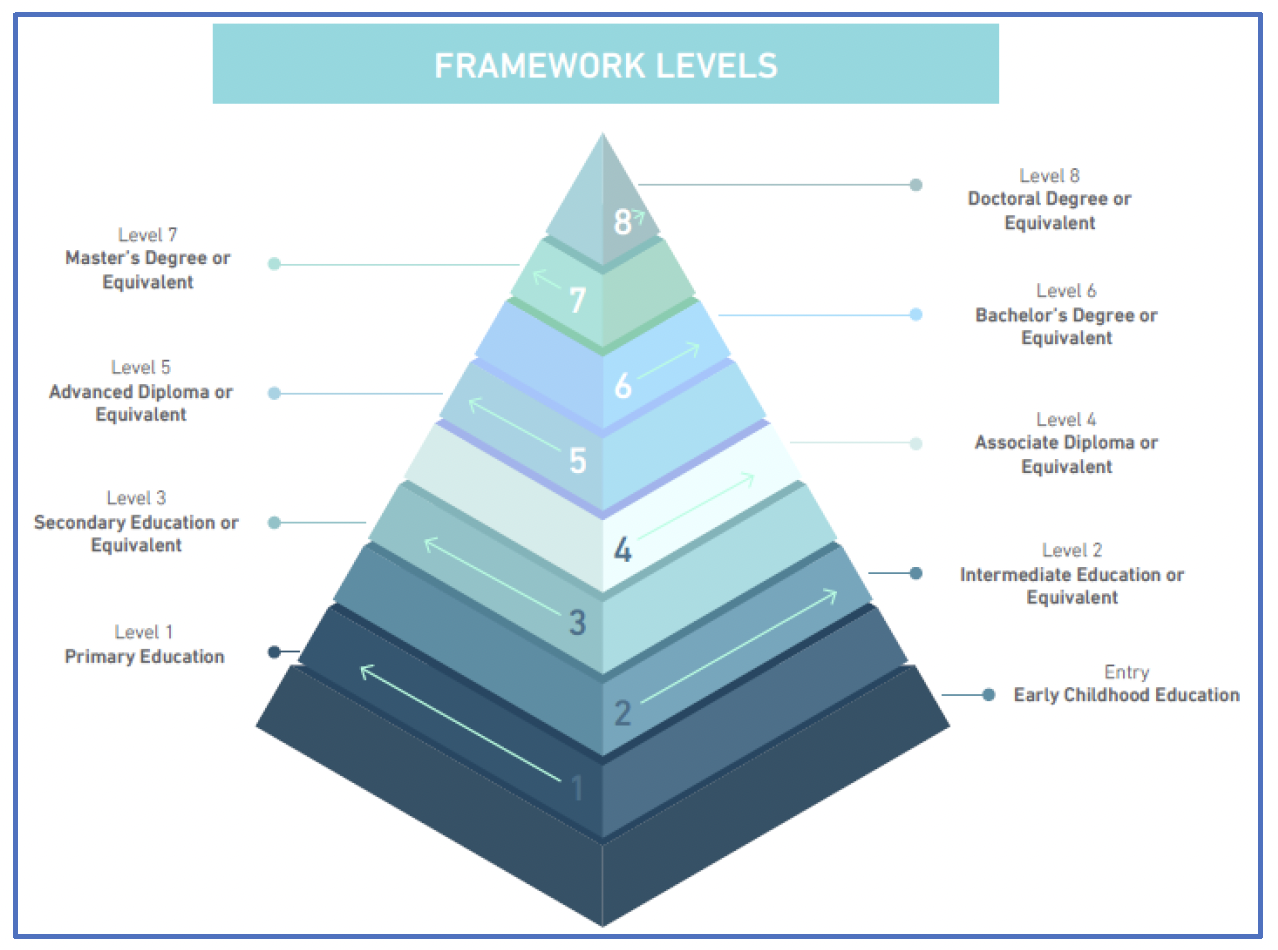
Figure 2.5.1.1. The NCAAA's framework levels
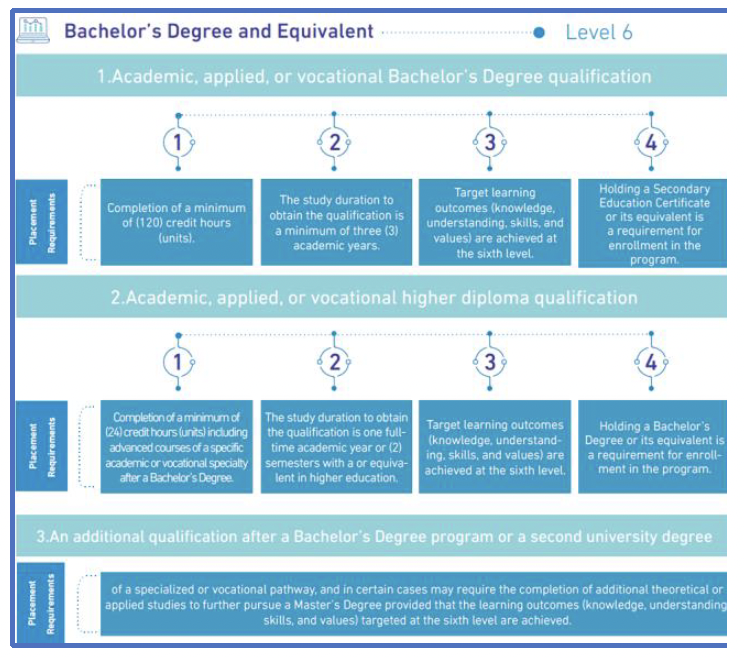
2.5.2 Level 6: NQF Level Descriptors and Placement Requirements (2020 NQF Handbook)
Level Descriptors for Bachelor’s Degree and Equivalent
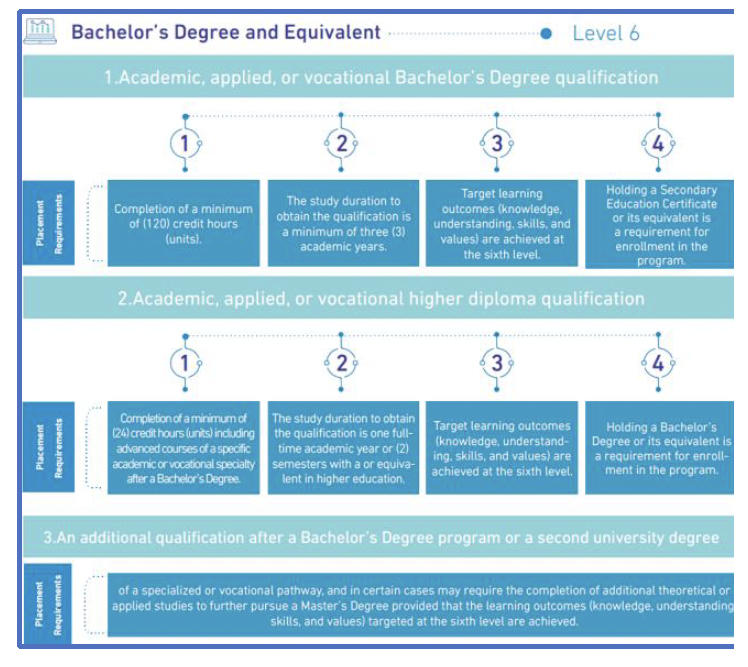
Placement Requirements for Bachelor’s Degree and Equivalent
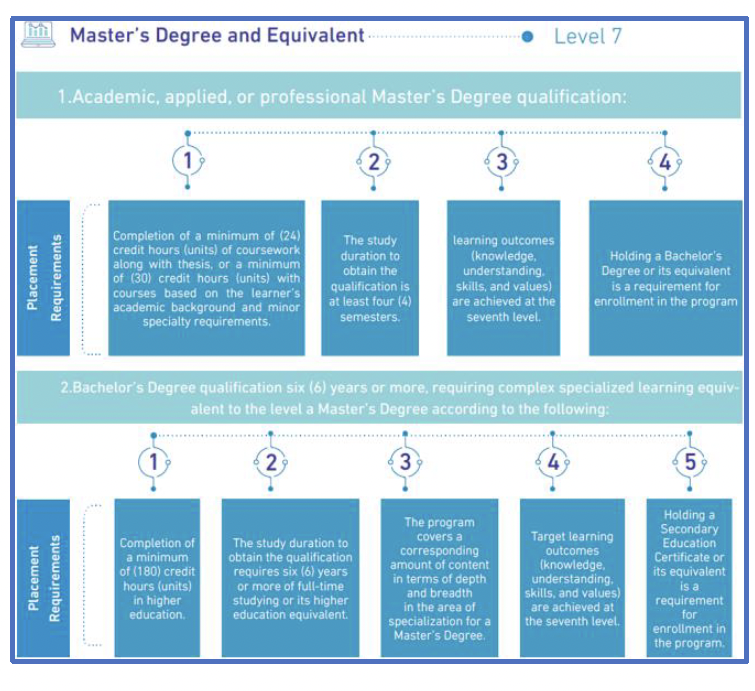
2.5.3 Level 7: NQF Level Descriptors and Placement Requirements (2020 NQF Handbook)
Level Descriptors for Master’s Degree and Equivalent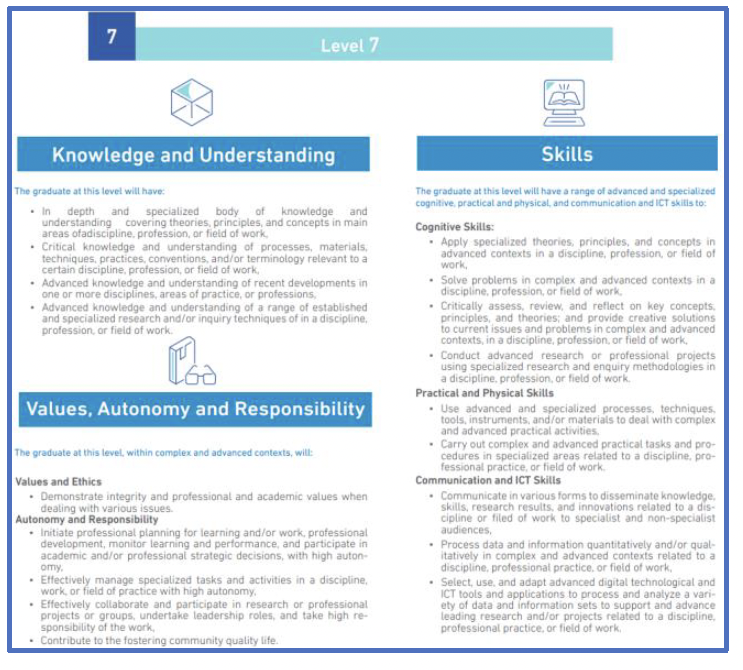
Placement Requirements for Master’s Degree and Equivalent
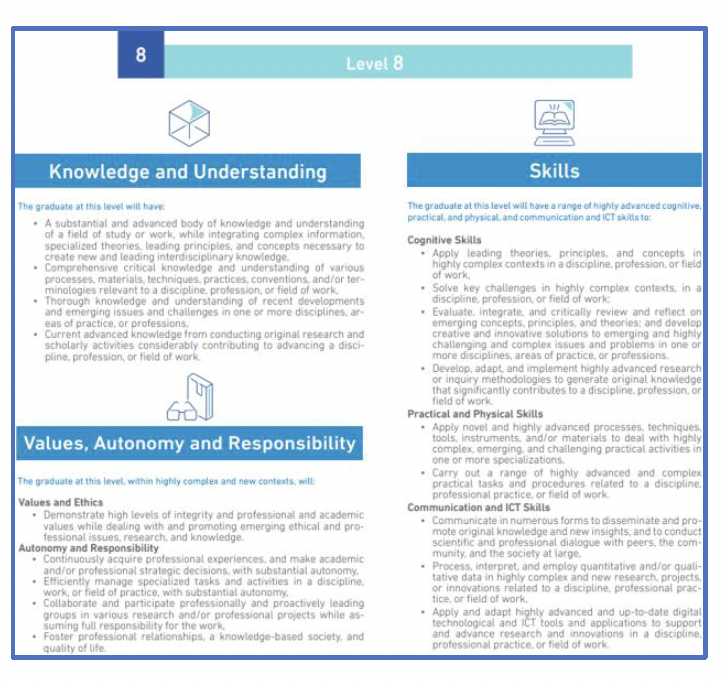
2.5.4 Level 8: NQF Level Descriptors and Placement Requirements (2020 NQF Handbook)
Level Descriptors for Doctoral Degree and Equivalent
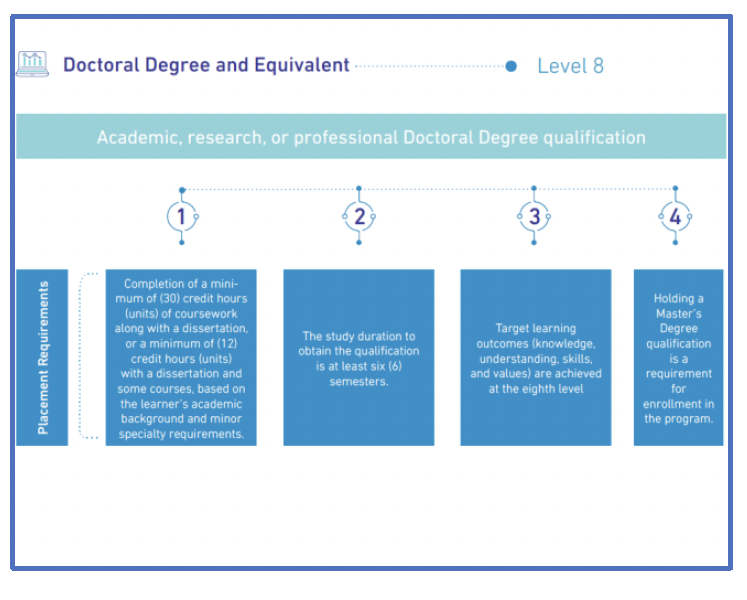
Placement Requirements for Doctoral Degree and Equivalent
2.6 Alignment between AU's Quality Assurance Framework and the Saudi National Qualification Framework (NQF)
AU's Institutional and Program Assessment Procedures adhere to the standards set by the NCAAA. The pertinent best practices are 3.1, 3.2, & 3.3, applicable to both institutional and program evaluations. A visual representation of these relevant best practices is provided in Figure 2.6.1 below.
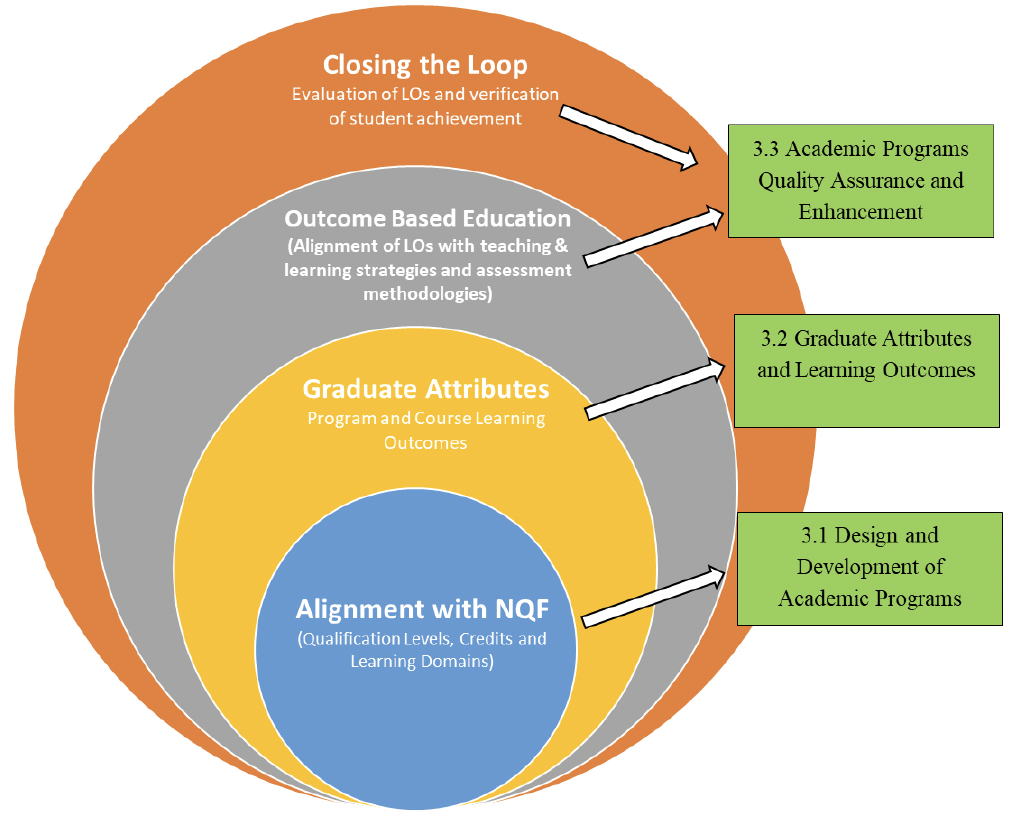
Figure 2.6.1: Compliance of AU’s Quality Assurance framework to the Saudi NQF
It's crucial to emphasize that AU's Internal Quality System (IQS) complies with both the National Qualifications Framework and the standards set by NCAAA. The diagram above illustrates this correlation. The NQF serves as the blueprint for aligning our educational strategies with the demands of the job market, ensuring quality standards throughout the educational landscape. AU has embraced the NQF as the framework for its Internal Quality System within the university.
3. AU Internal Quality System
The Internal Quality System (IQS) at Alfaisal University is a foundational component in the institution's commitment to achieving the highest standards in education, research, and community engagement. At the heart of this dedication is the Quality Assurance (QA) Manual, which not only offers a thorough overview of the quality assurance framework, assessment methodologies, and the essential policies, guidelines, and procedures that underscore the university's drive for excellence in higher education but also lays down a solid framework for articulating the entirety of Alfaisal University's quality management system.
The QA manual provides both internal and external stakeholders with a detailed perspective on the management of quality throughout the university's broad spectrum of activities, demonstrating a steadfast dedication to quality and continuous improvement. Such a commitment secures Alfaisal University's status as a leader in academic excellence and innovation, embodying the institution's unwavering dedication to upholding the highest standards across all its endeavors.
3.1 Purpose and Scope of QA Manual
The QA Manual is designed as a concise yet comprehensive resource detailing Alfaisal University's quality system and the assessment of learning outcomes. It emphasizes critical QA policies, guidelines, and procedures that underpin the university's objectives to ensure the quality of its educational and teaching efforts, in addition to attaining program and institutional accreditation. While the manual does not cover every policy within the university, it is intended to supplement and coordinate with other policies and guidelines, fostering a unified approach to quality assurance.
Embedded within the university’s culture of continuous quality management is the understanding that the QA Manual is a dynamic document, necessitating regular evaluations and updates of policies, guidelines, and procedures. This practice ensures the manual remains current and aligned with the latest best practices and standards. The QA Department is responsible for the manual's upkeep, performing routine reviews on an annual basis.
The comprehensive approach to quality assurance at Alfaisal University is meticulously outlined in the main quality manual, which offers a broad overview of the institution's quality management system. More detailed descriptions of specific policies, processes, and procedures are provided in additional university documents, including various operational manuals such as the faculty handbook, student handbook, human resources manual, IT manual, survey manual, and research manual. These documents facilitate a thorough understanding of respective quality systems across all levels of the university.
The development of the QA Manual is driven by the philosophy that the pursuit of quality is an endless journey, with continuous opportunities for enhancement. This philosophy suggests that the manual, along with the quality management practices it represents, is designed for continuous refinement. Such an approach emphasizes the significance of ongoing development and the necessity to adapt to new insights and challenges.
3.2 Quality Standards and Key Performance Indicators
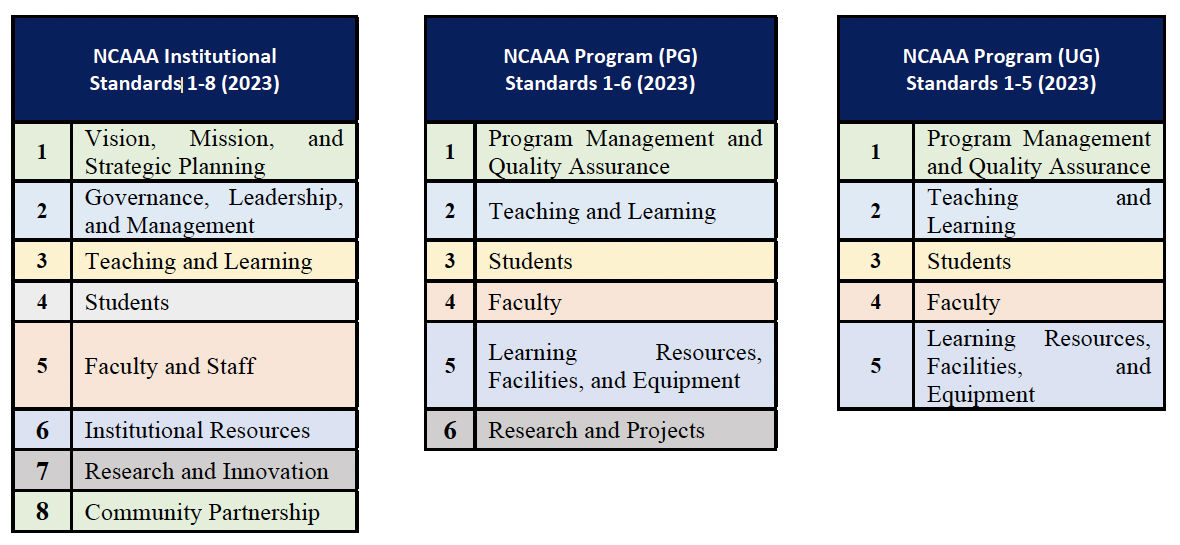
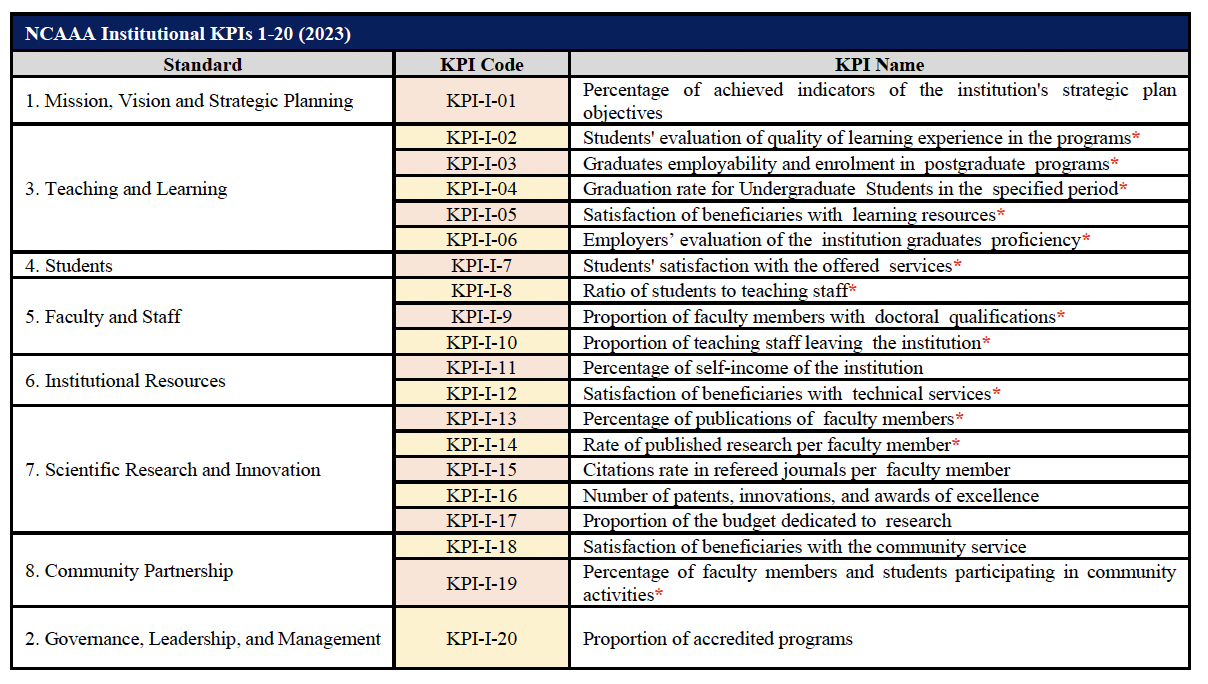
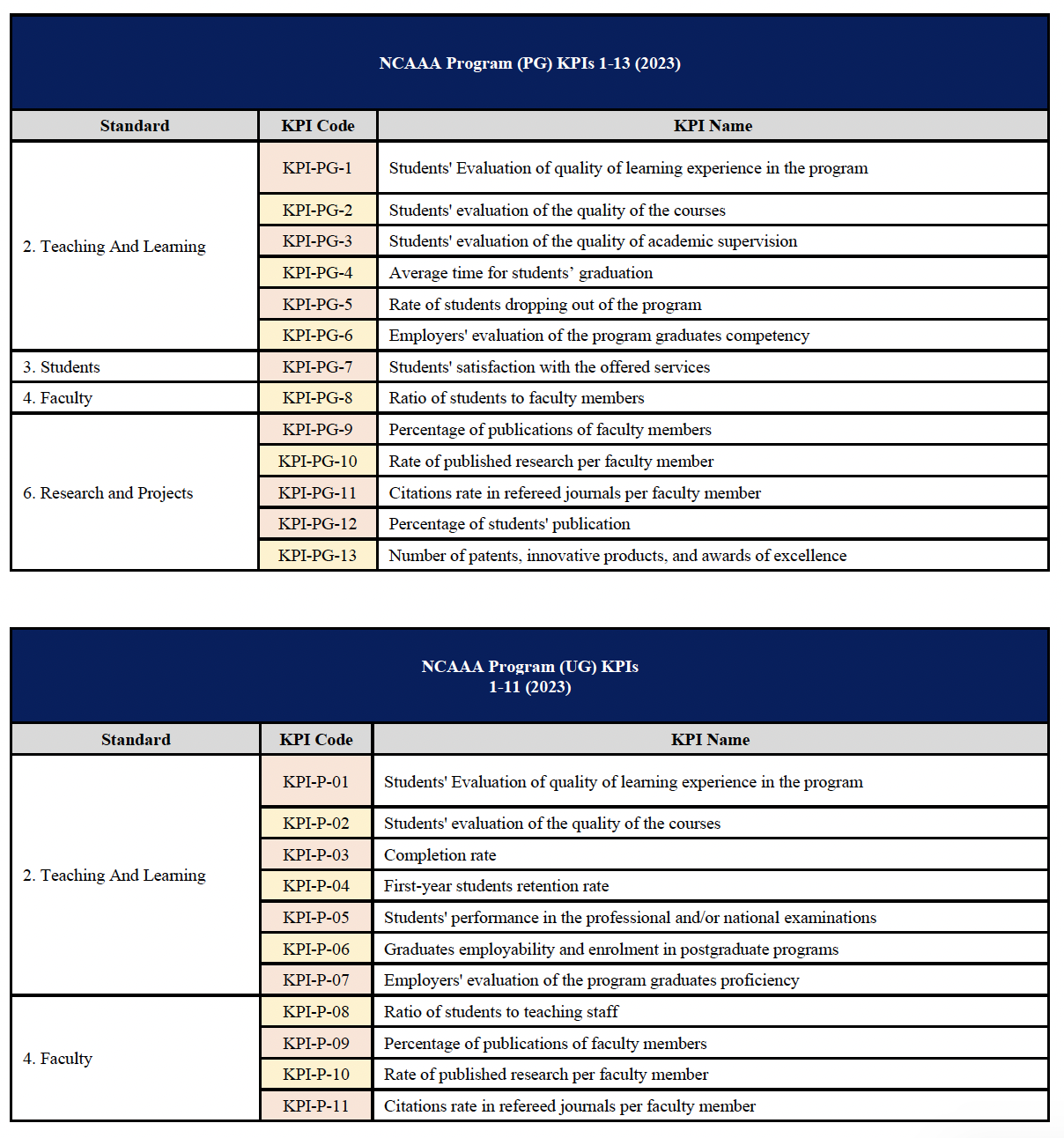
Quality standards and key performance indicators at Alfaisal University are governed through a comprehensive accreditation framework implemented by the National Commission for Academic Accreditation and Assessment (NCAAA) at both the institutional and program levels, encompassing undergraduate and postgraduate studies. The process of gap analysis and continuous improvement is rigorously conducted, drawing upon the best practices associated with the NCAAA institutional standards and KPIs, as well as its specific standards and KPIs for undergraduate and postgraduate programs. This strategic approach ensures that Alfaisal University not only meets but strives to exceed the quality benchmarks set forth by the NCAAA, fostering an environment of excellence and continuous enhancement across all its academic offerings.
3.3 Quality Assurance Governance
3.3.1 Quality Assurance Structure
The highest level of quality commitment is driven by the highest university leadership in the form of AU's decision to establish DAQA since the start of the university in 2008. This is followed by the establishment of a Quality Governance Structure (AU - QGS) at the Institutional level (Figure 3.3.1.1), a Quality Governance Structure (AU-UGPQGS) for the undergraduate program level (Figure 3.3.1.2), and Quality Governance Structure (AU-PGPQGS) at the Postgraduate Program level (Figure 3.3.1.3).
At the institutional level, AU’s Quality Governance Structure (AU-QGS) is overseen by the Institutional Steering Committee. This Committee is chaired by the President and constitutes members of the Council of Deans (CoDs) which conduct its deliberations in the CoDs meetings.
At the (UG) program level, as illustrated in Figure 3.3.1.2, Alfaisal University's framework for Quality Governance (AU-UGPQS) has distinct quality units within each college, with additional sub-units for colleges hosting multiple programs.
At the (PG) program level, as illustrated in Figure 3.3.1.3, Alfaisal University's framework for Quality Governance (AU-PGPQS) has distinct quality units under the Vice President of Graduate Studies, Research and Innovation with additional sub-units for colleges hosting multiple programs.
Quality assurance procedures and protocols at each college are overseen by a Vice-Dean for Accreditation and Quality Assurance. At the program level, this responsibility falls to the Department Chair, who is supported by a program-level quality committee. The organizational structure and framework for quality assurance, depicted in Figures 3.3.1.2 & 3.3.1.3 illustrates how the college and program levels collaborate seamlessly to meet the university's quality and accreditation objectives. Furthermore, DAQA monitors the overall strategy and advancement towards program accreditation, offering comprehensive support and assistance.
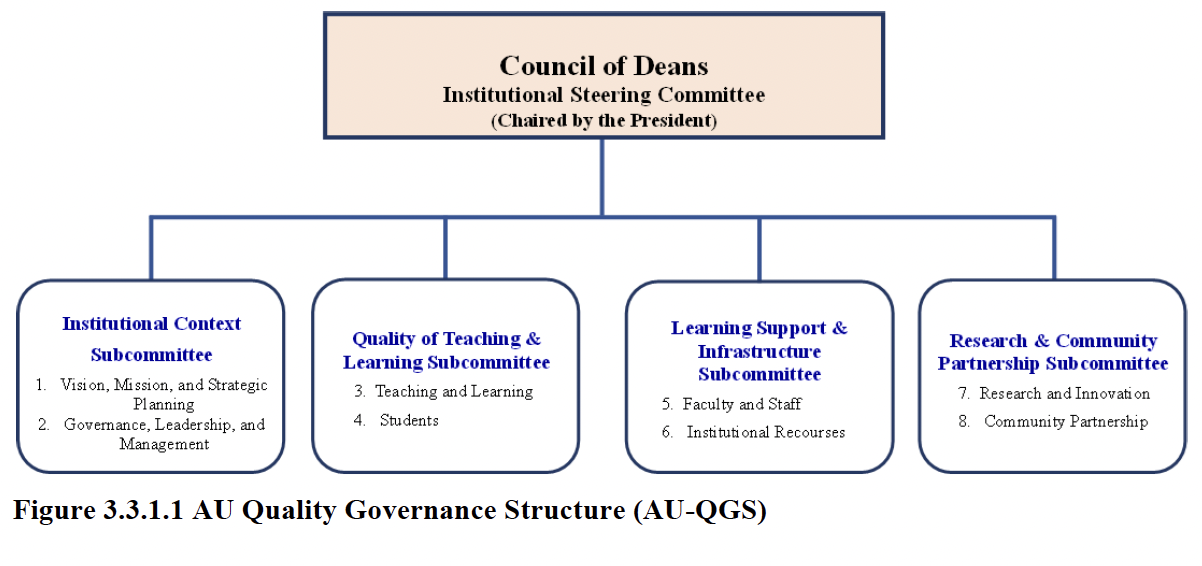
Figure 3.3.1.1 AU Quality Governance Structure (AU-QGS)
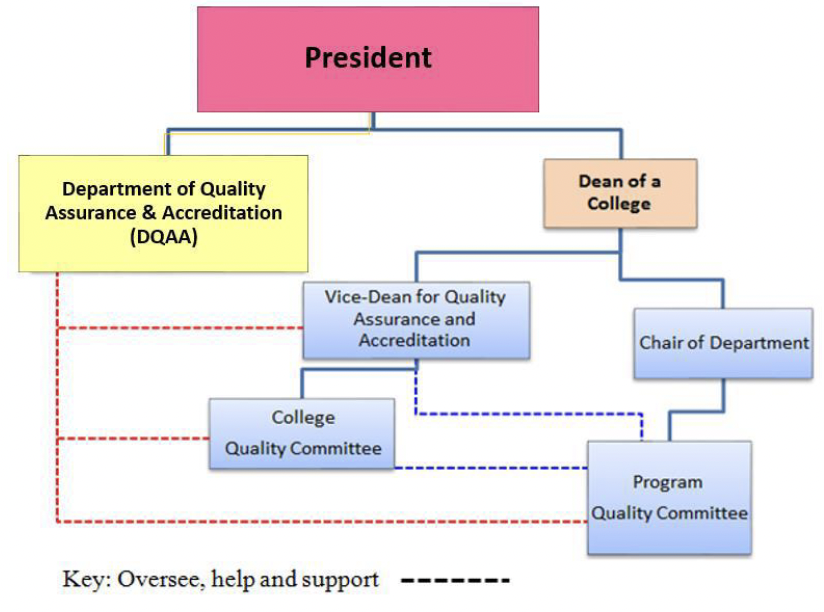
Figure 3.3.1.2: AU Quality Governance Structure at the Undergraduate Program level (AU-UGPQGS)
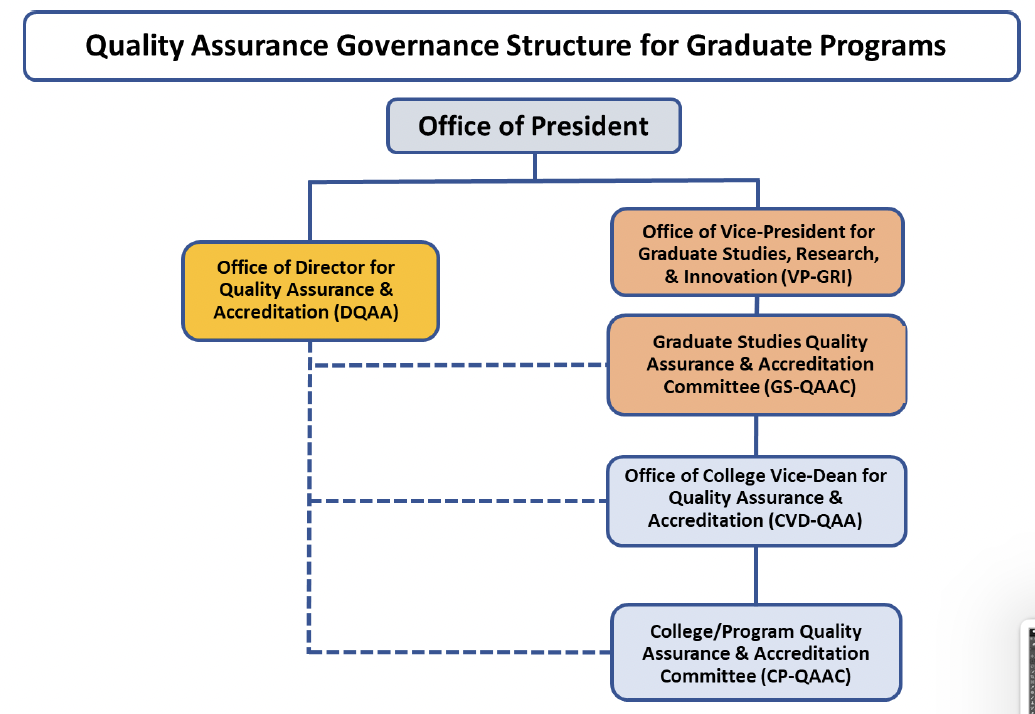
Figure 3.3.1.3 AU Postgraduate Program Quality Governance Structure (AU – PGPQS)
3.3.2 Institutional Research and Quality Cycle for Improvement
The purpose of the Institutional Research and the Quality Cycle for Improvement (IRQCI) is to enhance and ensure continuous improvement of university quality assurance processes and aspects through systematic planning, implementation, evaluation, reporting, and improving processes to support institutional effectiveness Figure 3.3.2.1. In addition, it supports and consolidates the DAQA’s standards which will contribute to the achievement of the university's vision, mission, goals, objectives, and initiatives. For the gradual development of quality policies and procedures within the university, the improvement must be cyclic in nature and not linear. This is crucial for closing the loop.
The process of improving quality involves assessing current levels of performance and the environment in which AU is operating, identifying strategic priorities for improvement, setting objectives, developing plans, implementing those plans, monitoring what happens and adjusting if necessary, assessing the results achieved, and finally utilizing the analysis of the results for the improvement plans. Processes for the evaluation of quality are made transparent with clear criteria for evaluation and the evidence to be considered is also made clear in each plan (e.g. self-evaluation scales and measurement of KPIs). Such processes may involve repeating cycles of planning and reviews. Major plans may involve a sequence of activities over several years, with numerous steps to be taken and results of each step assessed at stages within the long-term plan. For example, a review of performance may lead to the conclusion that objectives need to be redefined and a new plan for development prepared, as shown in Figure 3.3.2.1.
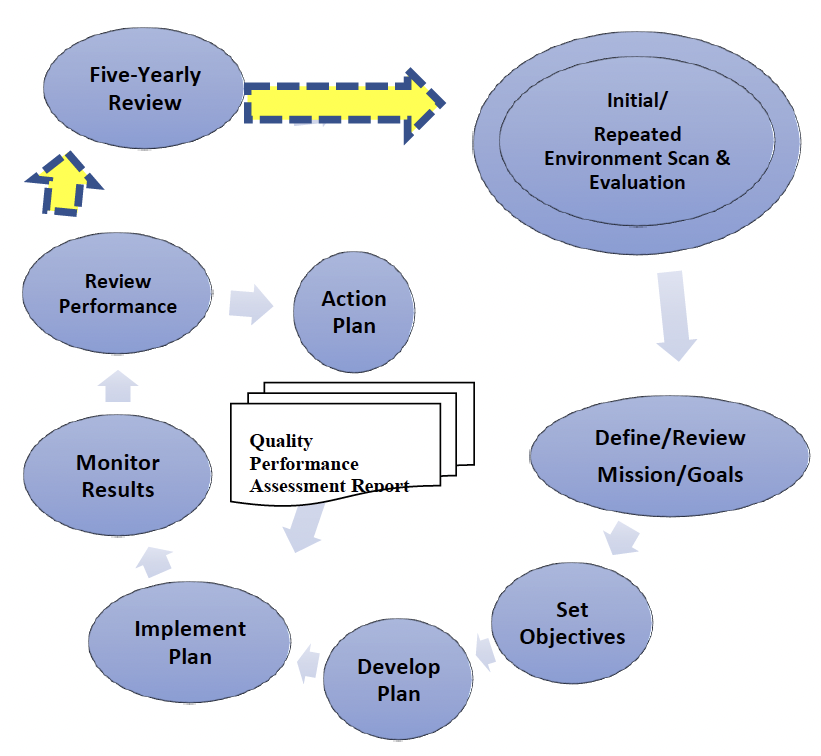
Figure 3.3.2.1: Institutional Research and Quality Cycle for Improvement (IRQCI)
While the monitoring should be continuous, there are normally two time periods when more formal assessments take place, one annual as performance is monitored and adjustments made as required, and one on a long-term cycle in which major reviews are undertaken periodically. For issues relating to Accreditation and Quality Assurance Department periodic assessments should be planned to coincide with the two-three yearly internal as well as to five-to-six yearly external reviews for accreditation and re-accreditation conducted by external accreditation agencies as well as the NCAAA.
3.3.3 Surveys and Evaluation Framework
Alfaisal University in its commitment to quality runs several satisfaction surveys and evaluations to guarantee that all processes are delivered with the highest possible level of quality. Since AU is a student-centered university, AU regards students as the principal clients of the education system and surveys of their opinions are one of the most important sources of evidence about the quality of their programs. They can provide very useful suggestions for improvement that should be considered in the quality cycle for improvement as applied through institutional research (i.e. satisfaction surveys, assessment, and evaluation). This assessment and evaluation model represents the so-called AU’s Evaluation Framework Figure 3.3.3.1 This framework regards the administrative arrangements and processes used for quality assurance in the AU as an integral part of the quality cycle for improvement.
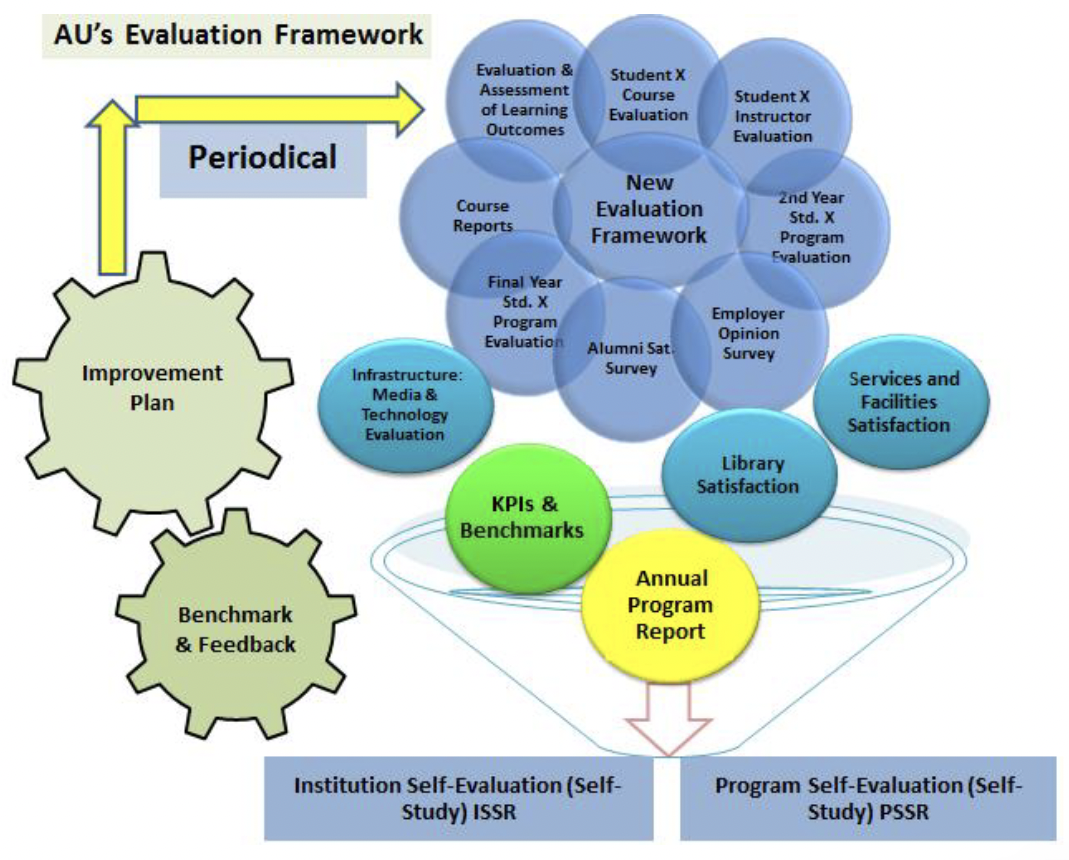
Figure 3.3.3.1 AU’s Evaluation Framework
3.3.4 Conducting Satisfaction Surveys
Alfaisal University places paramount importance on the satisfaction of students and other stakeholders, recognizing it as crucial for the institution's long-term sustainability. To gauge this satisfaction, the University proactively seeks feedback directly from its stakeholders, employing questionnaires and survey forms as primary tools. This broad group of stakeholders encompasses students, faculty members, administrative staff, alumni, employers, and other external parties, ensuring a comprehensive understanding of the University's performance and areas for enhancement. The surveys are conducted regularly, throughout the academic year depending on the frequency of the surveys. All surveys/questionnaires administered within the university must undergo a thorough analysis, and their results must be interpreted by the relevant academic/administrative units.
Crucially, the essence of conducting stakeholder satisfaction surveys lies in the formulation of improvement or action plans. These plans are meticulously developed based on the insights, conclusions, and recommendations derived from the survey data, ensuring that stakeholder feedback directly informs the university's continuous improvement strategies.
The task is under the responsibility of the DAQA in cooperation with other university academic and administrative Units. To ensure an effective stakeholder satisfaction survey program, the office focuses on measuring stakeholder perceptions based on how well the university delivers on the institution's critical success factors and dimensions. These usually include factors like service promptness, staff responsiveness, and understanding of the stakeholders’ problems.
3.3.5 Survey Information Flow
AU has a well-defined mechanism to enable the planned submission of the different types of satisfaction surveys as shown in Table 3.3.5.1. The submission must be planned and scheduled in advance according to the progress of each semester.
All satisfaction surveys are required to be automated within the AU-Evaluation Framework, which represents a main component of the Quality Assurance System.
Table 3.3.5.1 Survey Information Flow
| Survey Title | Who will be surveyed? The Target Audience | Copy | Reporting | Analysis/Recommendations |
|---|---|---|---|---|
| Course & Instructor Evaluation Survey (CES) | Students (all Courses): All Colleges |
| DAQA | Respective Colleges |
| Student Experience Survey (SES) 2nd Year Experience | Students (2nd Year): All Colleges |
| DAQA | Respective Colleges |
| Program Evaluation Survey (PES) Final Year Experience | Students (Final Year): All Colleges |
| DAQA | Respective Colleges |
| Alumni Survey | Alumni All Colleges |
|
| Respective Colleges |
| Employer Survey | Employers |
|
| Respective Colleges |
| Satisfaction Survey | Students |
|
| Librarian SA Department IT Department |
| Faculty Satisfaction Survey | Faculty |
|
| HR Department IT Department |
| Employee Satisfaction Survey | Employees |
|
| Administrative Units HR Department IT Department |
| Services Provided and Facilities (food) Satisfaction Survey | Students |
|
| Facilities Department |
| Services Provided and Facilities (food) Satisfaction Survey | Faculty Employees |
|
| Facilities Department |
3.3.6 General Guidelines for Satisfaction Surveys
To maximize their utility, student surveys should adhere to several fundamental principles.
It must be made clear to students that all survey responses are confidential and anonymous.
- Course evaluation surveys should be distributed and collected by someone other than the course instructor (in case of hard copies).
- Surveys should include common questions to enable comparisons both within and between departments, colleges and institutions. (The use of common questions does not prevent the addition of optional additional course-specific or institution-specific)
- Some open-ended questions should be included to allow respondents to comment on additional concerns.
- In addition to several individual items relating to matters considered important, surveys may include one or two summary items that serve as general quality indicators.
- For benchmarking purposes, surveys should be distributed in similar ways and at similar times and comparisons should be made between comparable institutions.
- Questions should be consistent over time (normally at least three years) so that valid trend data can be obtained.
- The validity of responses depends on having a reasonable response rate. A response rate of at least 80% is normally essential.
To encourage participation:
- Surveys should not be overused.
- Active use of survey responses is crucial, and it is important to communicate summary reports and actions taken in response to the participants.
- The surveys should not be too long (ideally consisting of 20 to 25 item, plus a small number of open-ended items)
3.3.7 Response Scale
It is recommended that each item in the surveys be responded on a 5-point Likert scale. The recommended scale is as follows:
- Strongly Disagree
- Disagree
- Neutral (or undecided)
- Agree
- Strongly agree (with the statement)
3.4 Mapping and Assessment of Learning Outcomes via IRQCI
AU has a well-established process that complies with the mapping and assessment of Learning Outcomes, which include Institutional, Program, and Course level learning outcomes. The Institutional Research and Quality Cycle for Improvement (IRQCI) facilitates part of this compliance process as it is multifaceted. One important facet is in the context of Teaching and Learning which takes the form of a teaching and learning quality cycle for improvement (IRQCI- Teaching and Learning) as shown in Figure 3.4.1. This improvement cycle facilitates and ensures the continuous development, assessment, and improvement of learning outcomes, contributing significantly to the overall quality of "Teaching and Learning".
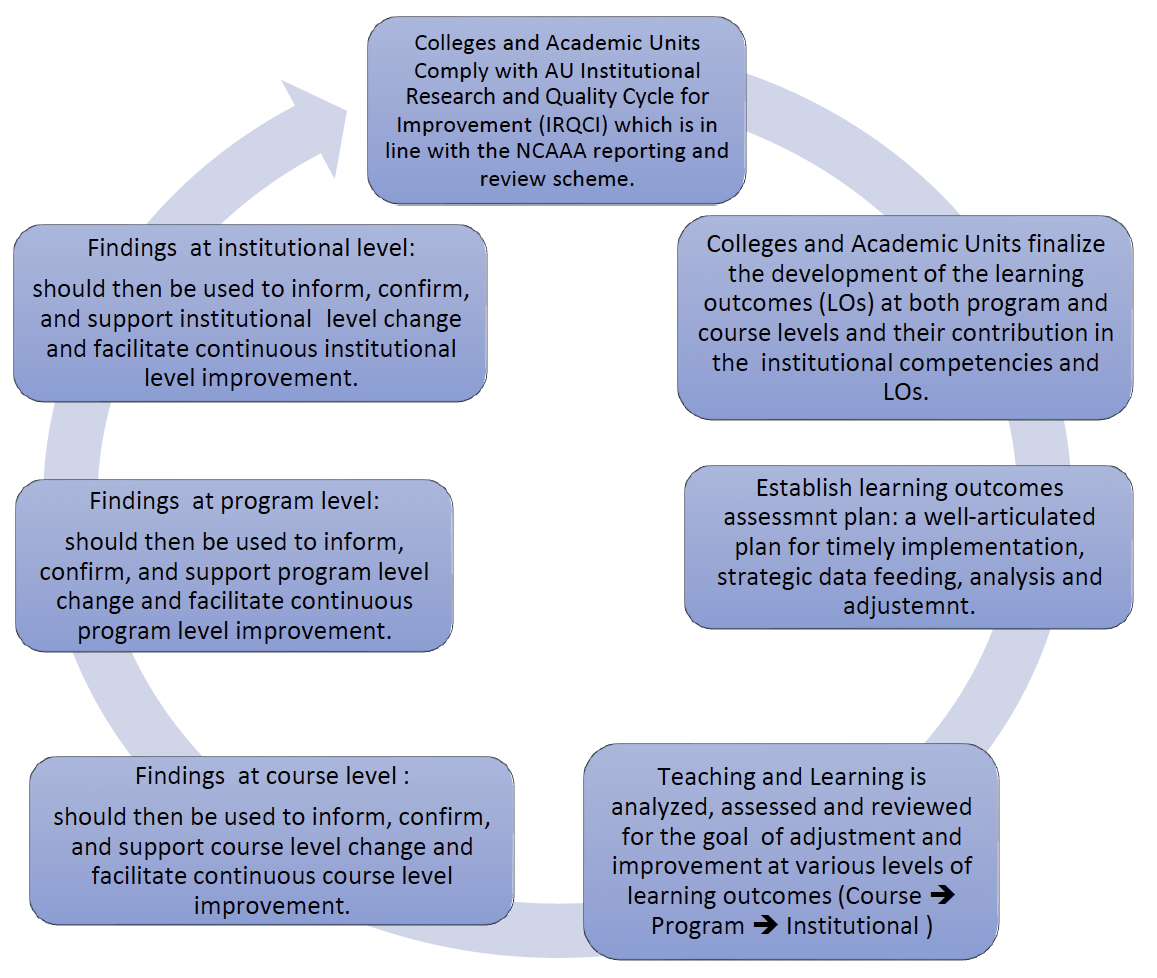
Figure 3.4.1: Institutional Research and Quality Cycle for Improvement (IRQCI- Teaching and Learning)
The institutional research and quality review cycle in the context of “Teaching and Learning" is in-line with the NCAAA reporting and review scheme. The milestones presented in Figure 3.4.1 are operationally performed by quality units of corresponding colleges and programs and then overseen by the Institutional Teaching and Learning Committee.
Colleges and departments cooperate with and participate in general institutional strategies for improvement and arrange complementary further initiatives to deal with quality issues found in their own programs. Their contribution to the IRQCI is formally documented with the specifications along with the reports they produce. The diagram shown in Figure 3.4.2 illustrates the workflow and relationship of some important specifications and reports (i.e., program specifications, course specifications, course reports, and program reports) to the quality cycle for improvement in Teaching and Learning. The most important part of this cycle is the assessment of learning outcomes and the feedback collected from each program.
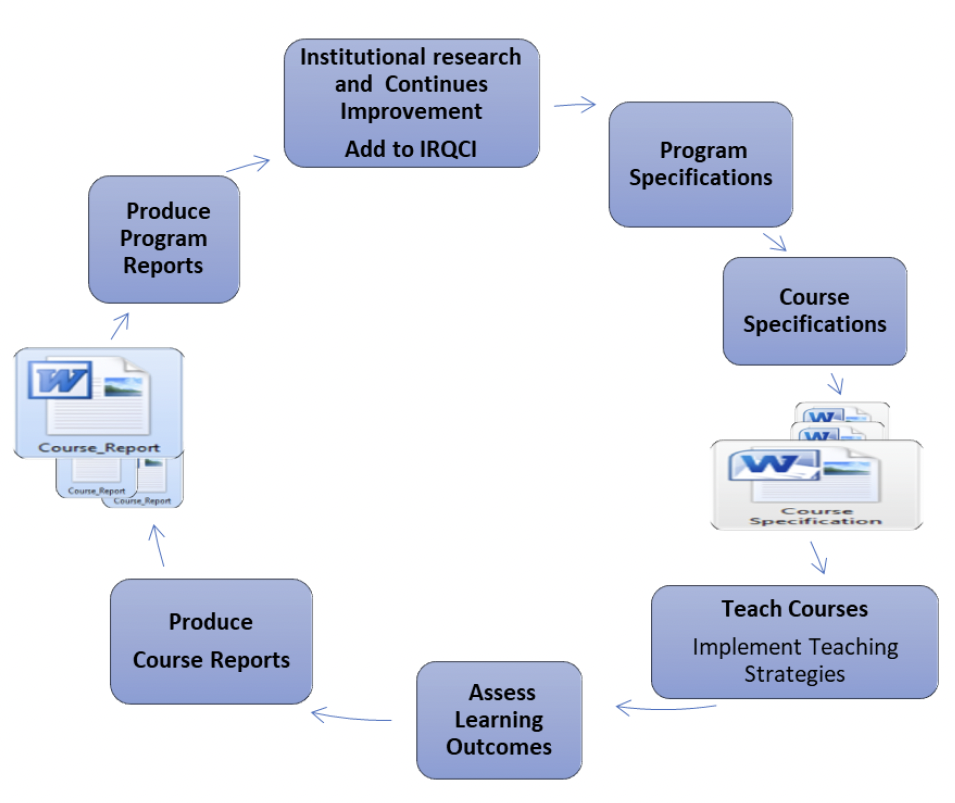
Figure 3.4.2: AU’s Quality Cycle for Improvement for Teaching and Learning
Figure 3.4.3 illustrates the flow of process and relationship for the program quality cycle for teaching and learning.
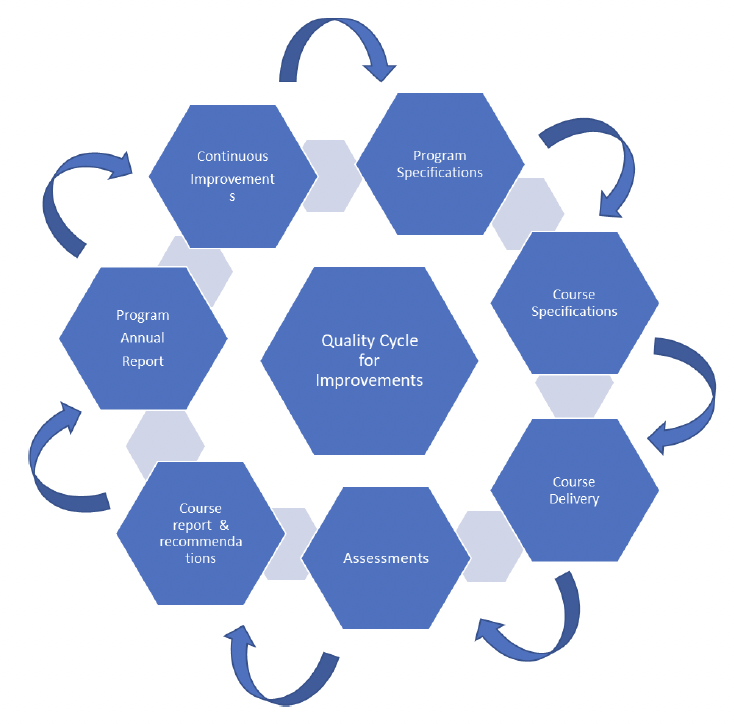
Figure 3.4.3 Program quality cycle for teaching and learning
The flow of Information through the NCAAA Forms (Program / Course / Field Specifications / Reports and Self Study Reports) is summarised in Table 3.4.1
Table 3.4.1: Flow of Information (Forms and Reports)
Report/ Form | Filled By | Approved by: | Document / Report Copies Distribution |
|---|---|---|---|
| Course Specification | Faculty members | Department Chair + Dean + College/Program QAA Unit | Course Specifications Individual course specifications should be prepared for each course in a program and kept on file with the program specification. The purpose is to make clear the details of planning for the course as part of the package of arrangements to achieve the intended learning outcomes of the program. Subsequently, course specifications should include the knowledge and skills to be developed, ensuring compliance with the National Qualifications Framework and the overall learning outcomes of the program, the strategies for teaching and assessment in sufficient detail to guide individual instructors, as well as the learning resources, facilities requirements, and any other special needs. Course specifications should be prepared for all courses included in the Program Study Plan. The course specification includes the course learning outcomes and the strategies for developing those learning outcomes within different learning domains described in the National Qualifications Framework, processes for course evaluation based on evidence with verification of interpretations of that evidence and planning for improvement. Copies of the course specification should be provided to the dean of the college, to the program head/coordinator responsible for the program, and to the QAA department. |
| Course Report | Faculty members | Department Chair + College/Program QAA Unit | Course Report Copies of the course report should be provided to the dean of the college, to the program head/coordinator responsible for the program, and to the QAA department. |
| Field Experience Specification | Faculty Member + Program Committee + College QAA Unit | Department Chair + Dean + College/Program QAA Unit | Field Experience Specification NCAAA assumes all Field Experience specifications are available as part of the study plan and the program curriculum. All Field Experience specifications must be collected into one single file. In many professional programs, a field experience activity (which may be called a practicum, a cooperative program, an internship, or another title) is one of the most valuable components of a program. Although normally offered off-campus in an industry or professional setting and supervised at least in part by people outside the institution, it should be considered the equivalent of a course and planned and evaluated with considerable care. Detailed information should be provided to indicate as clearly as possible what students should learn and what should be done to ensure that learning takes place. This should involve careful preparation of the students and planning in cooperation with the agencies where the students will be gaining their field experience. It must also involve some follow-up activities with students to consolidate what has been learned and summarize other situations they are likely to face in the future. The arrangements for these preparatory and follow-up activities and the processes that will take place during the field experience should be included in the field experience specification. Like the other templates, several items apply to most field experience activities. However, additional matters can be added if needed to meet any requirements for a program, college, or institution. Copies of the field experience specification should be provided to the dean of the college, to the program head/coordinator responsible for the program, and to the QAA department. |
| Field Experience Report | Faculty Members | Department Chair + College/Program QAA Unit | Field Experience Reports Copies of the field experience report should be provided to the dean of the college, to the program head/coordinator responsible for the program and to the QAA department. |
| Program Specification | faculty members + College/Program QAA Unit | College/Program QAA Unit + Dean | Program Specifications This should include: Course Planning Matrix Mapping of the Program Learning Outcomes to the Courses. Checklist courses against learning outcomes. Copies of the program specification should be provided to the dean of the college, to the program head/coordinator responsible for the program, and the QAA department. |
| Program Annual Report | Department Chair + College/Program QAA Unit | Department Chair + College/Program QAA Unit + Dean + VP Academic Affairs | Annual Program Report A program report should be prepared at the end of each year after the consideration of all the course reports and other information about the delivery of the program. The report should be based on the program specification and describe how and what happened in the program compared with what was intended to happen, report on its quality, and indicate any changes that should be made for future delivery because of experience in the year concerned. The program report would normally be prepared by a program coordinator/director, reviewed by a program committee, and kept on file with the program specification as an ongoing record of the continuous improvement carried out for the program over time. The matters identified for inclusion in a program report focus on specific matters likely to be significant in most programs. However additional matters may be included if considered relevant to a particular program. The action plan developed following the initial ratings on relevant sections of the Self Evaluation Scales for Higher Education Programs should identify priorities for development and matters of concern that should be closely monitored continuously. Ratings on the matters selected for continuous monitoring should be included in the annual report. The report on quality in the program should be based on evidence provided by a range of sources, including students and others, and interpretations of that evidence should be verified by someone not directly involved in it. An important element in this process must be an appropriate mechanism for checking levels of student achievement against the levels in similar programs elsewhere. The reports should include all the NCAAA key performance indicators that can be used for within-institution comparisons as well as monitoring aspects of the quality of the program over time. Performance indicators other than the ones specified by the NCAAA can also be used based on specific program/college development requirements. The annual report should include an action plan that indicates action to be taken in response to the evaluations undertaken and subsequent reports should consider the results of that action as well as any new information emerging at that later time. Procedures should be in place to ensure that course and program reports are completed as soon as possible so that any necessary responses can be implemented without undue delay. To enable senior administrators responsible for academic affairs to continuously monitor the quality of programs at Alfaisal University. Information should be provided each year on key performance indicators applicable to all programs. Annual program reports should be prepared by the program coordinator in consultation with faculty teaching in the program or a program committee. The reports are provided to the Chair of Department Chair of Department and the college dean and used as the basis for any modifications or changes that are required in the program. They should be retained on file to provide a record of developments in the program for use in periodic program self-studies and external reviews for accreditation. Where reference is made to advice or comment from an independent evaluator, advice should be obtained from a person familiar with the program who is not directly involved in its delivery. Copies of the program specification should be provided to the dean of the college, to the program head/coordinator responsible for the program, and to the QAA department. |
Self-Study Report-Program (SSRP) | Department Chair + College/Program QAA Unit | Department Chair + College/Program QAA Unit + Dean + VP Academic Affairs | Program Self-Study Report A periodic program self-study is a thorough examination of the quality of a program taking account of the mission and objectives of the program and the extent to which they are being achieved. The standards for Accreditation and Quality Assurance Department are defined by the NCAAA including the National Qualifications Framework. Conclusions should be supported by evidence, with verification of analysis and conclusions, and advice from others able to offer informed and independent comments (e.g. internal and external reviewers). |
3.4.1 Program Review Cycle
All programs should periodically be reviewed and evaluated for continuous improvement and to ensure programs offered continue to be relevant, effective, well managed and to provide appropriate value to students and stakeholders.
Program Annual Review: This review is conducted annually to monitor and assess the effectiveness, quality, and relevance of the programs. It serves as a systematic process to gather information, analyse data, and make informed decisions about the continuous improvement of the programs. The purpose of the annual review is to:
- Ensure programs meet the institution's standards for quality education and the alignment with its mission and goals.
- Assess the attainment levels of program learning outcomes (PLOs)
- Identify strengths and weaknesses to enable decision-making for continuous improvement and implement changes.
- Assess whether programs remain relevant considering changing societal needs, technological advancements, and industry trends.
- Engage stakeholders (students, alumni, faculty, employers, advisory boards, etc.) and obtain their inputs.
- Provide evidence required for accreditation and ensure compliance with established standards.
- Provide valuable data and insights that aid in resource allocation.
- Assessing the achievement of program KPIs to monitor progress in program performance.
At the end of the review, a program annual report (APR) should be generated with recommendations and action plan for improvements.
Program Review Cycle: This review should be conducted every five to seven years. Programs with programmatic accreditation (i.e. NCAAA, ABET, AACSB) may use their accreditation review to fulfil this purpose. The purpose of the program review cycle is to:
- Ensure programs remain effective, relevant, and aligned with evolving educational standards and industry requirements.
- Identify strengths and areas and priorities for improvement.
- Review program goals and educational objectives.
- Seek accreditation of programs from relevant accrediting bodies to demonstrate their commitment to quality education.
- Adapt and keep pace with the continuously changing educational landscape and ensure graduates are equipped with the necessary knowledge and skills to succeed in their fields.
- Obtain and incorporate stakeholders input to ensure programs are aligned with the needs of students, employers, and the broader community.
At the end of the review, a self-study report (SSR) should be generated with recommendations and action plans for improvements.
3.5 Graduate Attributes and Student Learning Outcomes
(Mapping Institutional Learning Outcomes (ISLOs)), Program Learning Outcomes and Course Learning Outcomes)
AU graduates are expected to acquire and demonstrate a set of certain characteristics distilled from the AU core values. These characteristics provide the Graduate Attributes and Institutional Student Learning Outcomes (ISLOs) (institution-wide skills and competencies) that AU aspires to have for its graduates to be able to make positive changes in the community and serve as guidelines for the development of AU’s academic programs.
The origin of these Core Values came from the King Faisal Foundation (KFF) which has stemmed from respecting Islamic Principles while benefiting from Higher Education Strategies of the Kingdom and international best practices.
The King Faisal Foundation was established by the heirs of the late King Faisal to carry on his legacy of “gifts of hope” that result in harvests of educated and prosperous individuals. The deeply held principle was that a well-educated population was the foundation for a strong nation.
The Foundation has always promoted a pragmatic approach to furthering the opportunities for Saudi youth. The creation of a university that strives to achieve excellence in several fields is yet another important advancement toward fulfilling its desire to enrich the country’s enterprising individuals with the ability to compete on a global level.
Within the framework lies a great emphasis and caring for human development, which is the most important basic factor in total development, Alfaisal University extends its projects in serving education based on the strong legacy left by the late King Faisal to empower, through education, responsible Saudi citizens who will become the leaders for positive change in society.
- "It is not of importance that we build institutes and celebrate their inauguration. The important thing is that we exert all our efforts to benefit from such institutes to realize what our nation expects from us…."
- "The education of our youth rests on three foundations: Faith, Knowledge and Performance."
His Majesty the late King Faisal bin Abdul Aziz
AU aspires to preserve and maintain such a legacy through the implementation of its core values shown in Table 3.5.1 & Figure 3.5.1. Therefore, it has been decided that Alfaisal University espouses the following core values as stated in the university charter, the university's first strategic plan, and the university's second strategic plan:
Table 3.5.1 AU’s Core Values
| AU Core Values | ||
|---|---|---|
| 1 | Culture | Understand and value core elements of Saudi culture. |
| 2 | Research & Knowledge | Contribute new knowledge in the fields of science and technology. |
| 3 | Performance | Commit to continuous improvement in performance and quality. |
| 4 | Faith | Honor the role of faith in life |
| 5 | Integrity | Demonstrate professional and institutional integrity. |
| 6 | Responsibility | Embrace social and environmental responsibility. |
| 7 | Honesty | Demonstrate honesty in one’s actions and treatment of others. |
| 8 | Service | Provide value-added service at the local, regional, and international levels. |
| 9 | Learning | Instil the habit of lifelong curiosity and learning. |
| 10 | Equal opportunity | Strive for equal opportunity within the context of valuing talent and ability. |
| 11 | Leadership | Demonstrate leadership for academics, research, and service, and build leaders. |
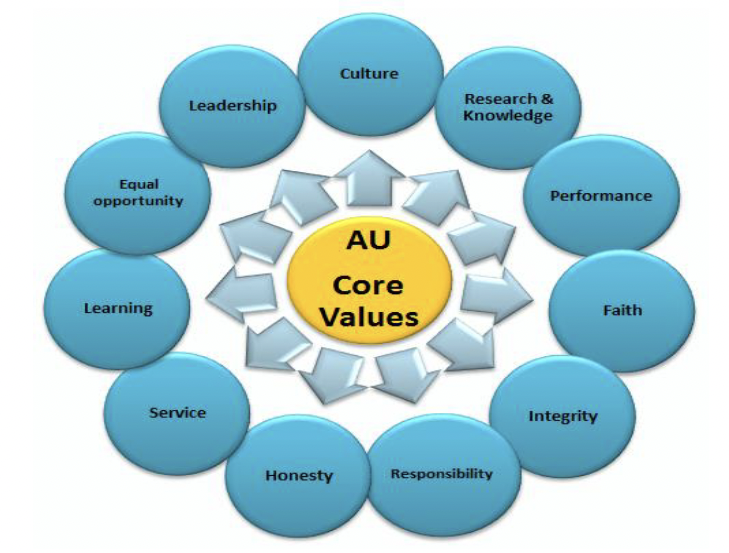
Figure 3.5.1 AU’s Core Values
These values are not merely words; they influence outcomes at every level, from daily operations and interactions to the formulation of student learning outcomes and the establishment of long-term goals and objectives. These core values represent eleven commitments made both individually and collectively as an organization to those we serve.
In alignment with these core values, AU has established a three-tiered framework for learning outcomes: Institutional level, Program level, and Course level, as shown in the Intended Learning Outcomes (ILOs) Framework Figure 3.5.2 For colleges offering multiple programs or concentrations (e.g., COB and COE), an additional sub-layer of common learning outcomes is identified at the college level, as illustrated in Figure 3.5.3. This framework further aligns with a dynamic, multi-tier architecture of visions, missions, and objectives.
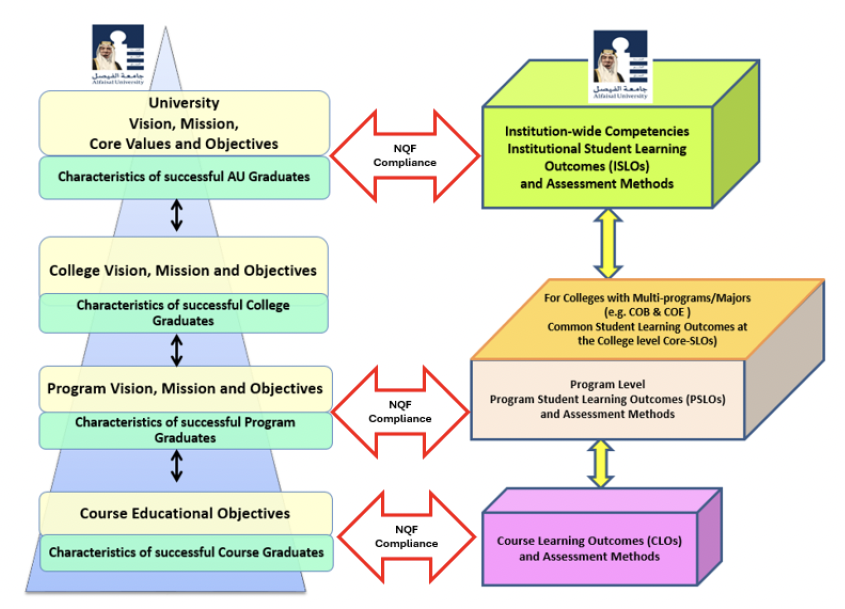
Figure 3.5.2: Learning outcomes are organized and mapped in a framework of three tiers: institutional, program, and course.
The Intended Student Learning Outcomes (ISLOs), derived from this three-tier framework, are finalised following a thorough and comprehensive deliberation and consultation with relevant academic and professional advice, as evidenced by numerous external review reports. The framework ensures that the derived ISLOs align with the National Qualifications Framework - NQF and reflect AU’s core values. In addition, feedback from graduates is systematically gathered and consultations with employers and advisory boards are conducted regularly to assess the relevance of the intended learning outcomes and determine the extent to which new knowledge and skills need to be developed.
The intended learning outcomes encompass the knowledge, skills, competencies, abilities, and attitudes that students are expected to develop and demonstrate as a result of their comprehensive experience at the university. Upon successfully completing their curriculum and/or graduating from Alfaisal, students will have acquired, practiced, applied, and mastered the core competencies and skills encapsulated in the Institutional Student Learning Outcomes (ISLO). A crucial aspect of the ISLOs is the expectation that graduates will not only possess the ability to perform the described tasks but also experience a beneficial impact on both their personal and professional lives. The measurement and assessment of these ISLOs incorporate a range of methodologies, from direct and indirect approaches to an integrated evaluation framework that combines assessments at the course, program, and institutional levels.
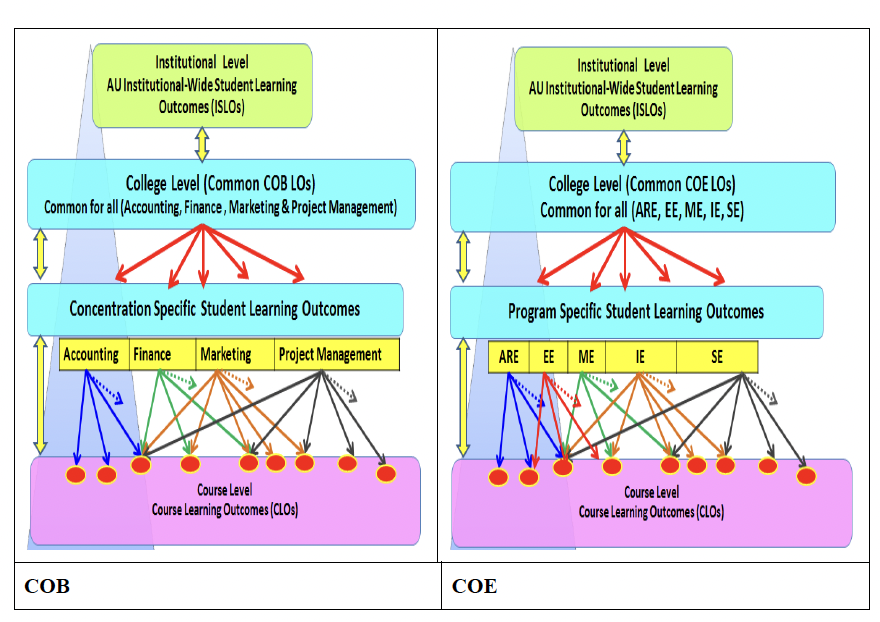
Figure 3.5.3: In special cases for colleges with more than one program or concentration (e.g. COB and COE) additional sub-layers of common learning outcomes are defined at the college level.
AU has well-defined program learning outcomes that are aligned with the institution-wide learning outcomes to foster the desired skills and competencies. Prior to the introduction of each respective program, foundational documents, including detailed program specifications, course learning outcomes, and syllabi, are developed with precision well in advance. These crucial documents are rigorously reviewed and endorsed by distinguished consultants from leading public universities in the Kingdom of Saudi Arabia (KSA) and external international experts from prestigious universities.
3.5.1 AU Graduate Attributes and Institutional Learning Outcomes
The curriculum delivery system at Alfaisal University (AU) is strengthened by a well-structured assessment framework, that is meticulously integrated throughout the study plan of each program. This framework is purposefully designed to systematically monitor and evaluate the achievement of both broad institutional learning outcomes and specific program and discipline-oriented outcomes. It incorporates essential components that support the review of learning outcomes and facilitate their attainment by AU students.
The institutional learning outcomes at Alfaisal University are articulated through seven essential skills and competencies, which are integral to the AU graduate profile. These competencies represent the fundamental attributes that the university expects all its graduates to possess. Upon the successful completion of their degree programs, AU graduates are expected to demonstrate mastery of these critical skills, thereby reflecting the university's commitment to nurturing individuals who are not only well-prepared for professional achievements but also for meaningful personal development.
- Communication Skills: Mastery in effectively conveying and exchanging information individually and in teams, across both Arabic and English, through proficient reading, writing, speaking, listening, and presenting in diverse styles and media.
- Information Technology and Numerical Skills: Proficiency in leveraging modern technologies and computational skills to gather information from various sources, solve problems analytically, and make informed decisions.
- Integrity and Ethics: A steadfast commitment to ethical conduct and integrity, upholding high moral standards in professional pursuits.
- Interpersonal and Responsibility: A demonstrated responsibility towards environmental, economic, social, and personal concerns, applying disciplinary knowledge and expertise for community service and personal fulfilment in society.
- Professional Development: The ability to collaborate effectively as a team member or leader, accomplishing tasks and achieving team objectives.
- Lifelong Learning: An ongoing commitment to personal and career development, staying abreast of the latest knowledge and technologies in their discipline to navigate an ever-changing environment.
- Critical Thinking and Problem Solving: The capability to employ logical and creative reasoning, utilizing critical thinking and scientific methods to scrutinize facts, theories, and problems, thereby making reasoned decisions and pursuing practical solutions to real-world issues.
3.5.2 Relationship of Program Learning Outcomes (PLOs) to the Institutional Student Learning Outcomes (ISLOs)
Alfaisal University considers student learning outcomes to be specific measurable skills, competencies, and knowledge. The attainment of these learning outcomes is expected to be based on the learning experience (which may include a course, program, degree or certificate, extra-curricular activities, library, and student affairs activities). The Program Learning Outcomes (PLOs), also known as discipline-specific learning outcomes, are specific to each program because they address the required knowledge and skills for the degree to be granted. These learning outcomes should also be considered when writing the course specification and the syllabus of each course in the program. The set of courses in a program should all together guarantee the achievement of the program (PLOs). Upon graduation, graduates will have the ability to demonstrate mastery of skills, in-depth knowledge, and competencies required for their respective degrees. The graduates will acquire, practice, apply, and become proficient in the core competencies and skills required for success in their discipline.
All academic programs at AU must specify how their PLOs contribute to the university-wide learning outcomes through the three-tier structure and how PLOs are supporting the achievement of the institution-wide learning outcomes. When developing Student Learning Outcomes (SLOs) in domains of learning AU academic programs must make sure that the learning outcomes comply with the NQF. The learning outcomes should be linked and mapped to the courses in a process called allocation of learning outcomes (levels one and two at the bottom of the model - Figures 3.5.2 and 3.5.3, i.e. courses vs. learning outcomes). Program learning outcomes are linked and mapped to the institutional learning outcomes as summarized in the mapping scheme as shown in (Tables 3.5.2.1 & 3.5.2.2). Table 3.5.2.1 shows how general education courses offered by CSGS contribute to the Institutional Student Learning Outcomes (ISLOs). However, the three-tier framework ensures that the learning outcomes are assessed and evaluated across the three levels with evidence to support whether the outcomes have been achieved or not.
Program learning outcomes are of course specific to each program because they address the required knowledge and skills for the degree to be granted. AU requires that all SLOs being in compliance with the KSA-NQF, however, AU encouraged all colleges and programs to research further into widely and internationally accepted qualification frameworks of each discipline and adapt them to the KSA environment and requirements. This initiative has been undertaken by colleges and programs including (COM, COE, COB and CSGS)) which defined SLOs as what students are expected to know and be able to do by the time of graduation. These relate to the skills and competencies that students acquire during their enrolment to the program. The outcomes have been aligned with selected international accreditation agencies as well (e.g. ABET and AACSB).
Table 3.5.2.1 General Education (GE) contribution to the Institutional Student Learning Outcomes (ISLOs)/Institution-Wide Learning Outcomes
| Institution-wide learning outcomes | |||||||||
|---|---|---|---|---|---|---|---|---|---|
| Domain/Category of Institution-Wide Learning Outcomes | Skills | Competencies/Values | |||||||
| Communication Skills | Information Technology and Numerical Skills (Computation) | Critical Thinking and Problem Solving | Interpersonal and Responsibility | Professional Development (including Teamwork & Leadership) | Lifelong Learning | Integrity and Ethics | |||
| PLOs (GE) contribute to the ISLOs | ↑ | ↑ | ↑ | ↑ | ↑ | ↑ | ↑ | ||
| General Education Learning Outcomes | By the end of (GE) classes, GE students will be able to express themselves accurately and confidently, both orally and in writing. They will be able to use a variety of methodologies (individual and group written, research and oral projects/presentations) to ensure good mastery of these skills. | By the end of (GE) classes, GE students will be able to use information technology (internet & digital media) on a very regular basis for research, accessing the class information system (Moodle), and for vital communications with the Professor and other students through (e-mail, messaging, phone, etc). | By the end of (GE) classes, GE students will be able to examine problems from different viewpoints. Be able to use various methodological techniques in approaching research which includes the scientific method of hypothesis, testing, proof, explaining, analyse, demonstrating, illustrate, and drawing conclusions. | By the end of (GE) classes, GE students will be able to avoid plagiarism and value of own original expressions | By the end of (GE) classes, GE students will be able to work in groups in all classes. Be able to identify challenges associated with leadership and value collaborative efforts. | By the end of (GE) classes, GE students will be able to demonstrate a continuous process of learning and create their own norm of inspiration for continued and life-long learning by staying ahead of the curve in technology and accessibility of information, techniques and thrust to reason and investigate | By the end of (GE) classes, GE students will be able to think rationally and ethically about moral questions. | ||
| ARB 101 | Arabic Language I | ||||||||
| ARB 112 | Arabic Language II | ||||||||
| ISL 101 | Islamic Studies I | ||||||||
| ISL 112 | Islamic Studies II | ||||||||
| ENG 101 | Freshman English I | ||||||||
| ENG 112 | Freshman English II | ||||||||
Similarly, other colleges through their programs learning outcomes (PLOs) contribute to the institution-wide learning outcomes.
Table 3.5.2.2 Schematic view of programs' (sample) contribution to the Institutional Student Learning Outcomes (ISLOs/Institution-Wide Learning Outcomes)
| Skills | Compentencies/Values | ||||||||
|---|---|---|---|---|---|---|---|---|---|
| No# | College | Program | ISLO (S1) Communication Skills | ISLO (S2) Information Technology and Numerical Skills (Computation) | ISLO (S3) Critical Thinking and Problem Solving | ISLO (V1) Interpersonal and Responsibility | ISLO (V2) Professional Development (including Teamwork & Leadership) | ISLO (V3) Lifelong Learning | ISLO (V4) Integrity and Ethics |
| 1 | College of Business | Bachelor of Business Administration | S3 | S1 | S2 | V2 | V3 | V3 | V1 |
| 2 | Engineering | Architectural Engineering | S5 | S1 | S2, S3, S4 | V2 | V1, V2 | V1 | V1 |
| 3 | College of Medicine | Master of Science in Biomedical Sciences | S4 | S2 | S1 | V2 | V2 | V3 | V1, V2 |
| 4 | College of Pharmacy | Doctor of Pharmacy (Pharm.D.) | S8 | S4, S7 | S1, S2, S5, S6, S9, S10, S11, | V3, V4 | V1, V2 | V3 | V5, V7 |
| 5 | College of Science & General Studies | Life Sciences | S4 | S1 | S2, S3 | V3 | V1, V2 | V3 | V1 |
3.5.3 Course Learning Outcomes
At the core of curriculum development are the Student Learning Outcomes (SLOs), which serve as the bedrock for designing courses and their specific learning objectives. Faculty members initiate the process by specifying the outcomes they anticipate successful students will achieve. These predetermined outcomes lay the groundwork for the entire course structure, including its pedagogical approach, teaching methodologies, evaluation techniques, learning environment, and supportive materials. As a result, every course at Alfaisal University is structured around a comprehensive set of Course Learning Outcomes (CLOs). These CLOs are explicitly defined and interconnected with the Program Learning Outcomes (PLOs), detailing each course's role in the broader educational objectives of the program. It is understood that no single course will address all PLOs; however, each one is designed to fulfil at least one specific PLO. Collectively, the SLOs across the curriculum and extracurricular activities aim to fulfil the Institutional Student Learning Outcomes (ISLOs), ensuring a strategic alignment across three levels of educational objectives.
The alignment among these learning outcomes is important when developing the course specifications and syllabi within each program. It ensures that the set of courses within any given program collectively meets the Program Learning Outcomes (PLOs). To facilitate effective assessment and measurement, it is imperative that learning outcomes at every level—whether institutional, program, or course-based—are articulated using active verbs.
AU’s learning outcomes are designed to encapsulate the essential knowledge and skills that the university graduates must possess to excel in their chosen fields and contribute meaningfully to their communities and the broader Kingdom. A key example of this is the emphasis on communication skills, which are integrated across all academic programs, particularly through courses offered by the general education section of the College of Science and General Studies (CSGS), which include the following:
- ARB 101 Arabic I
- ARB 112 Arabic II
- ENG 101 Freshman English I
- ENG 112 Freshmen English II
- ENG 222 Technical Writing
In addition, almost all programs have some form of communication learning outcomes. Therefore, building the desired characteristics (skills and competencies) of our graduates cannot be done on an ad-hoc approach but rather via a coherent, systematic integrated approach as described in the three tiers Framework of Learning Outcomes. Therefore, the mapping of communication learning outcomes and their contributions within the of three tiers framework of learning outcomes: Institutional level, Program level, and Course level can be represented in a simple way as shown in the schematic mapping of communication skills (Figure 3.5.3.1).
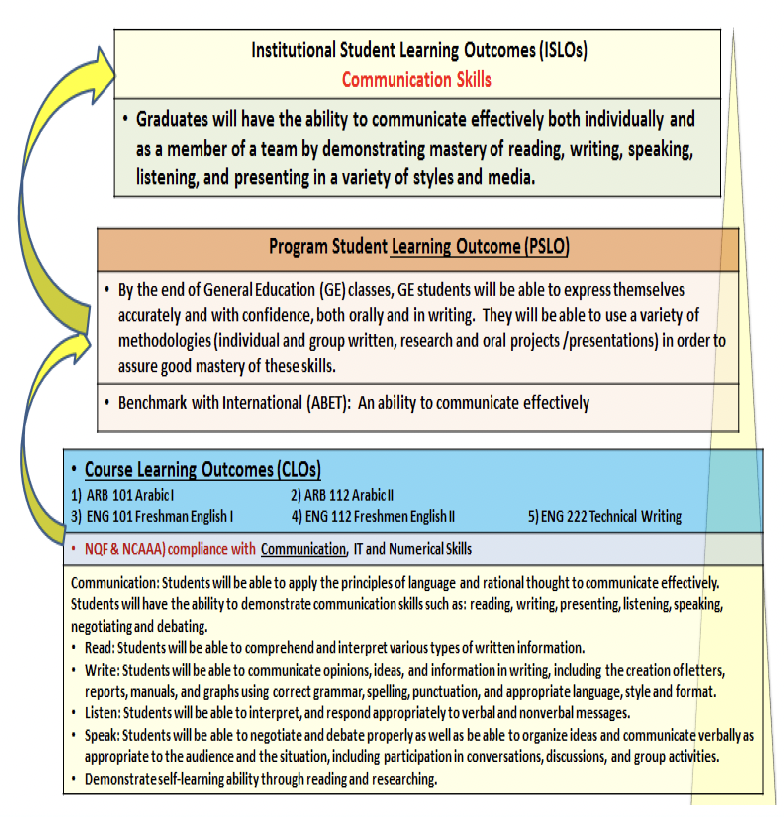
Figure 3.5.3.1: Mapping of communication learning outcomes among the three tiers Framework of Learning Outcomes
3.6 Student Assessment
Improving student learning through effective assessment is key to the success of knowledge creation, application, and sharing. Assessing Student Learning Outcomes (SLOs) is crucial for evaluating the quality of both institutions and their academic programs. This process not only checks if students are learning what they are supposed to but also gives valuable feedback to make teaching and learning better.
At Alfaisal University, the goal of assessment, which applies to all programs, is two-fold. First, it ensures that AU is reaching its educational goals and objectives with real evidence. Second, it aims to keep improving the quality of teaching and learning for the future. Therefore, the Student Learning Outcomes assessment plan is designed to make sure students are achieving the expected outcomes.
This helps in improving the success of the program and the learning experience for students, making it clearer and more accessible for faculty at all levels, from those just starting out to seasoned experts.
3.6.1 Assessment Framework
Assessment methods are ways to ascertain (or “measure”) student achievement levels associated with stated student learning outcomes (SLOs). Assessment, in general, can be regarded as a systematic ongoing process (Figure 3.7.3.1), which includes the collection of information about student learning and the level of achievement of learning outcomes. Normally, this process uses the time, knowledge, expertise, tools, and resources available, in order to inform decisions that affect student learning with the ultimate goals of improving quality of teaching and learning and academic standards. It involves:
- Establishing clear, measurable expected outcomes of student learning.
- Determining appropriate criteria and high standards for learning quality.
- Making our expectations explicit and public in the syllabus, specifications (both course and program), systems (LOAS), guidelines and manuals.
- Ensuring that students have sufficient opportunities (including the Teaching and Learning environment) to achieve those outcomes.
- Systematically gathering, analysing, and interpreting evidence to determine how well performance matches those expectations and standards.
- Using the resulting information to document, explain, and improve performance, programs, courses, instruction, student learning, and student support services – the feedback loop.
- Closing the loop – Since the purpose of assessment is primarily improvement, in order for improvement to occur, the assessment loop must be closed. Closing the loop does produce rather immediate results, particularly in courses. Ways of closing the loop may include revising/improving teaching methods, incorporating learning strategies in courses, selecting alternative teaching strategies such as active and collaborative learning, revising course prerequisites, adding lab time, adopting a mastery learning approach, ensuring that students successfully complete foundational courses, scaffolding courses with progressive success opportunities, requiring tutoring when critical skills are not achieved.
3.6.2 Closing the Loop
The ultimate goal of assessment is to use assessment results to improve the curriculum and to improve pedagogy. The Student Learning Outcome Assessment Cycle begins when faculty develop a Student Learning Outcome (SLO) statement and an assessment as shown in Figure 3.6.2.1. The subsequent phase involves gathering, discussing, and analysing the assessment data. This analysis and dialogue yield recommendations for enhancements. Faculty are then tasked with developing, modifying, or updating the curriculum, teaching approaches, courses, programs, or services based on these recommendations.
It's crucial to understand that assessment is not a goal in itself, but rather a means to enhance educational quality. Through this process, evidence is gathered, analysed, and interpreted to gauge how well student performance aligns with the expectations and standards set by the faculty. The findings are then utilized to improve both teaching and learning.
Given that assessment is a continuous endeavor, it falls under the Institutional Research and Quality Cycle for Improvement, specifically within the Learning Outcomes Assessment Track. In this cycle, faculty members are involved in several critical steps: they establish Student Learning Outcomes (SLOs), conduct assessments to measure these outcomes, analyse the findings, and apply the necessary improvements based on this analysis. Following the implementation of these enhancements, the cycle restarts. This iterative process ensures continuous improvement in teaching, learning, and overall educational quality.
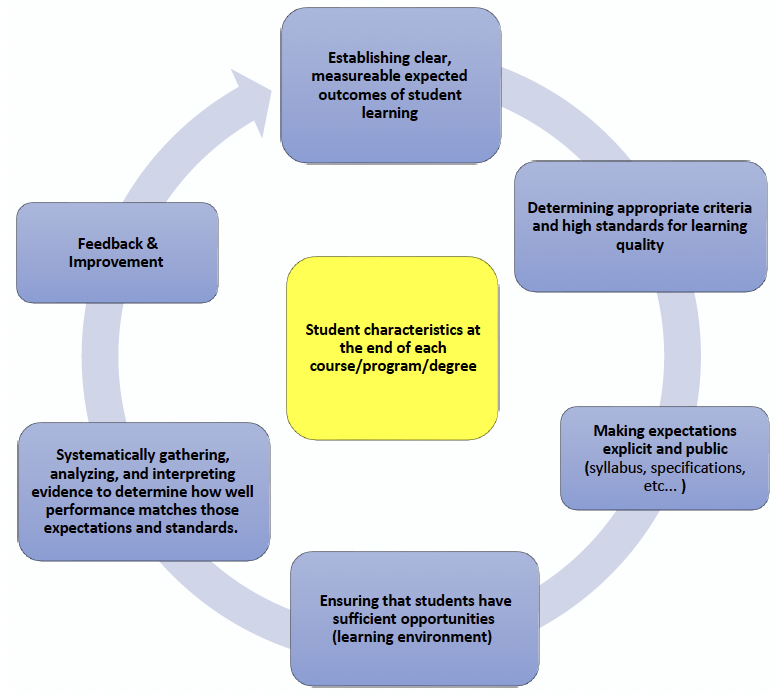
Figure 3.6.2.1 Overview of the Assessment Process and its Components.
Grades in a course, while reflecting overall success, are not precise indicators of learning achievement. They show a student's level of success or failure but do not pinpoint the extent to which specific learning outcomes have been met.
As previously mentioned, AU has implemented a structured approach encompassing three tiers of learning outcomes, alongside a detailed learning outcomes assessment framework. Figure 3.6.2.2 illustrates AU's assessment framework across the three levels: course, program, and institutional. This diagram details the assessment framework, highlighting the various stakeholders engaged at each level and the planned assessment cycle for each. It's important to note that the assessment planning and design process adopts a top-down approach, starting from the institution's mission and objectives down to the course level. In contrast, the operational aspects, including data collection and analysis, employ a bottom-up approach, moving from the course level upwards to the institutional level. This methodology is seamlessly integrated within the broader Institutional Research and Quality Cycle for Improvement (IRQCI). The IRQCI aims to advance the university's, colleges', and programs' quality assurance objectives through systematic planning, processing, evaluation, reporting, and improvement processes, thereby enhancing institutional effectiveness.
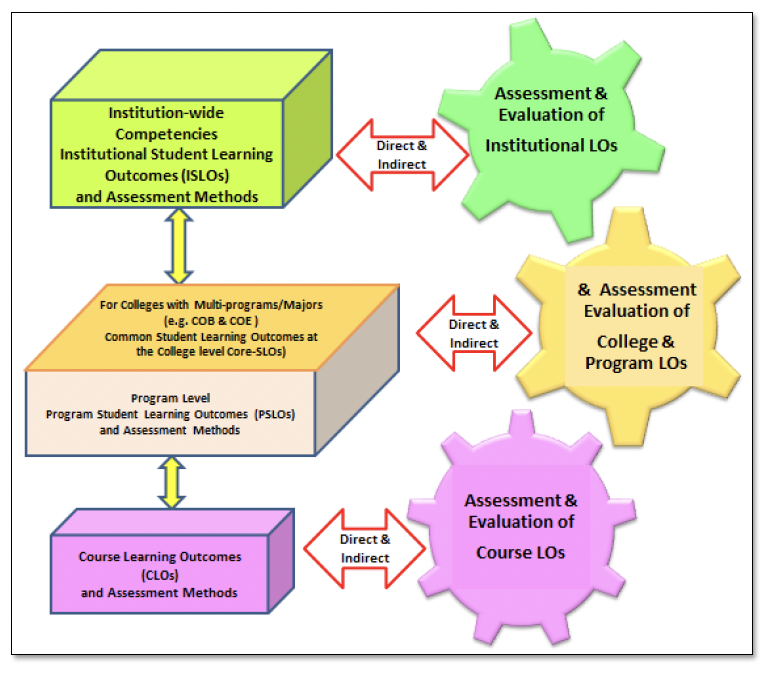
Figure 3.6.2.2 Learning outcomes are assessed, evaluated, and mapped at three levels: course, program & college, and Institutional Assessment and Achievement of Student Learning Outcomes SLOs at all Levels (within the Assessment Framework)
The Student Learning Outcomes Assessment Framework, as previously introduced, plays a crucial role in the evaluation of academic programs. This framework covers various levels, including course, program, and institutional levels, and utilizes a combination of direct and indirect assessment tools. In alignment with the hierarchy shown in Figure 3.6.2.2, the assessment process initiates at the course level. Faculty members are required to evaluate the learning outcomes of their courses through a digital tool named the Learning Outcomes Assessment System (LOAS), moving thereafter upwards to higher aggregate levels.
At each level, designated stakeholders are responsible for managing the assessment process. This group comprises faculty members, program Quality Assurance (QA) committee members, course coordinators, and program directors. An intricate assessment loop, as detailed in Figures 3.6.2.1 and 3.6.2.2, is crafted at each level with the involvement of all crucial participants. The loop includes stages such as identifying the learning environment, selecting assessment tools and objectives, establishing assessment criteria and performance indicators, gathering, and analysing data on learning outcomes, and developing feedback alongside an improvement plan.
This systematic approach ensures an exhaustive and ongoing assessment of student learning outcomes, leading to pinpointed enhancements in teaching and learning throughout the institution.
3.6.3 Evidence of Student Learning
Assessing student learning is essential for evaluating the effectiveness of educational programs. To streamline the process, assessment methods are broadly categorized into two main types: direct and indirect measures. Each category employs different approaches to gather evidence of student learning, allowing educators to comprehensively understand and improve educational outcomes.
3.6.3.1 Direct and Indirect Assessment Measures
Direct assessment involves evaluating tangible, observable products of student learning. Direct measures are probably more familiar to teaching faculty. These methods include exams, quizzes, reports, assignments and standardized testing. When test questions are aligned with the learning outcomes, they can be accurate measures of whether the desired student learning has taken place. In addition to tests and exams, direct assessments include evaluating homework assignments, research papers and other projects. Performances, speeches, or presentations can also assist in determining whether students have met set objectives and learning outcomes.
The strength of direct measurement is that faculty members are capturing a sample of what students can do, which can be very strong evidence of student learning. Direct assessment measures provide you with documented evidence of performance improvements, skills, or content mastery. However, quizzes, exams and standardized tests may not always measure the concepts they attempt to measure. Many tests offer multiple-choice, matching, or true-false items, giving students the opportunity to guess and tests may measure a student's test-taking skills rather than mastery of the material. Therefore, a possible weakness of direct measurement is that not everything can be demonstrated in a direct way, such as values, perceptions, feelings, and attitudes.
In contrast, an indirect measure is based upon a report of perceived student learning. The reports can come from many perspectives, including students, faculty, internship supervisors and employers. Indirect measure is based on gathering information through means other than looking at actual samples of student work... e.g., surveys, exit interviews, and focus groups. Also, it may require the faculty to infer actual student abilities, knowledge, and values rather than observing direct evidence of learning or achievement. Using these indirect measures, we can obtain information about students' thoughts on what and how they learned and use the students' own perceptions for assessment and evaluation of the level of achievement of learning outcomes.
Indirect measures can provide additional information about what students are learning and how this learning is valued by different constituencies. The strength of indirect measurement is that it can assess certain implicit qualities of student learning, such as values, feelings, perceptions, and attitudes, from a variety of perspectives. The weakness of this approach is that, in the absence of direct evidence, assumptions must be made about how well perceptions match the reality of actual achievement.
Because each method has its limitations, AU assessment approach combines direct and indirect measures from a variety of sources. This triangulation of assessment methods can provide converging evidence of student learning. Summary of direct and indirect assessment methods are given in Table (3.6.3.1.1) below.
| Direct Measures | Indirect Measures |
|---|---|
|
|
The assessment approaches detailed in the preceding table are integral to evaluating learning outcomes across all levels—institutional, programmatic, and course-specific. It's important to recognize, however, that grades on their own do not furnish comprehensive feedback on student performance. Nonetheless, when grades are aligned with detailed rubrics, they become a powerful tool for pinpointing the strengths and weaknesses in student performance.
For a thorough assessment of program learning outcomes, it is essential to engage in a structured assessment cycle. Table 3.6.3.1.1 outlines a generic template for a Program Learning Outcome (PLO) Assessment Plan. This template serves as a foundational guide for the systematic evaluation of learning outcomes.
Since its implementation, the complete assessment plan has undergone a six-year assessment period. While it is anticipated that the process will continue to evolve in the years to come, the described procedure offers a snapshot of the current methodology employed for learning outcomes assessment. To provide further insight into the practical application of these methodologies, Table 3.6.3.1.2 presents a sample of the Assessment Tools used in this ongoing process.
Table 3.6.3.1.2 Generic Template for Program Learning Outcome (PLO) Assessment Plan
| For COB, COE, CSGS, & CLIR | For COM & COP | |||||||||||
|---|---|---|---|---|---|---|---|---|---|---|---|---|
| Program Learning Outcome (PLO) | First Year in Assessment Cycle | Second Year in Assessment Cycle | Third Year in Assessment Cycle | 4th Year in Assessment Cycle | 5th Year in Assessment Cycle | 6th Year in Assessment Cycle | ||||||
| 1st sem. | 2nd sem. | 3rd sem. | 4th sem. | 5th sem. | 5th sem. | 7th sem. | 8th sem. | 9th sem. | 10th sem. | 7th sem. | 8th sem. | |
| PLO (1) | ✓ Direct & Indirect | ✓ Direct & Indirect | … | … | ||||||||
| PLO (2) | ✓ Direct & Indirect | ✓ Direct & Indirect | ✓ Direct & Indirect | ✓ Direct & Indirect | ✓ Direct & Indirect | |||||||
| PLO (3) | … | ✓ Direct & Indirect | … | ✓ Direct & Indirect | ||||||||
| PLO (4) | … | ✓ Direct & Indirect | … | … | ✓ Direct & Indirect | … | … | … | ✓ Direct & Indirect | ✓ Direct & Indirect | ✓ Direct & Indirect | |
Table 3.6.3.1.2 Sample of Assessment Plan Scheme: Bachelor (COB, COE, CSGS, CLIR Five-Year Assessment Cycle, COM, COP Six-Year Assessment Cycle)
| Discipline/Major | Year 1 | Year 2 | Year 3 | Year 4 | Year 5 | Year 6 |
|---|---|---|---|---|---|---|
College of Business (COB) B. Sc. In Business College of Engineering (COE) B. Sc. In Engineering Mechanical Eng. Industrial Eng. Electrical Eng. Software Eng. Architectural Eng. College of Science & General Studies (CSGS) B. Sc. in Life Science College of Law & International Relations (CLIR) Bachelor of Law, LLB |
|
|
|
|
| |
College of Medicine (COM) MBBS degree College of Pharmacy (COP) Pharm. D. |
|
|
|
|
|
|
3.6.3.2 Rubrics Overview
AU views a rubric as a comprehensive framework consisting of scoring guidelines and criteria designed to evaluate student work, whether it be a performance or a product. For example, see rubrics used in general education courses by CSGS. Rubrics clearly define the criteria for each performance level related to a learning outcome, serving as both a grading system and an assessment tool. They include a criteria chart that outlines precisely what will be evaluated in a student's work or assignment, making them particularly useful for assessing actions, procedures, performances, or complex projects. Each rubric comprises a defining criterion, various levels of work quality, and points allocated for each quality level, thus segmenting the assigned work into components, and providing detailed descriptions of the work's characteristics at different skill levels.
Rubrics consist of rows and columns, with the rows representing the assignment's criteria and the columns indicating the levels of achievement for each criterion. Each cell within the rubric is defined by a description and point value, guiding the evaluation and scoring of an assignment. Instructors have the flexibility to create multiple rubrics, which can be reused within the same course or transferred to other courses.
As summarized in Table 3.6.3.2.1., rubrics serve multiple purposes: they articulate assignment requirements and performance standards to students, promote consistent and unbiased grading among instructors, and assist students in organizing their work to meet assignment criteria. Furthermore, rubrics provide instructors with a framework to clearly justify their evaluations to students.
- Presenting rubrics to students before starting a project or assignment is an effective strategy to communicate expectations.
- Rubrics can also facilitate peer evaluation among students, fostering a collaborative learning environment.
- For educators, rubrics offer a precise tool for assessing complex performances, projects, and assignments, enhancing the consistency of evaluations.
Table 3.6.3.2.1 Summary of improvements rubrics can provide.
| Improves | Description |
| Improves teaching | A rubric enables faculties to better focus on each learning event to address the rubric elements. |
| Improve assessing | A rubric allows faculties to assess based on the expectations in the rubric. |
| Improves performance | A rubric lets the learner know what is expected from the beginning. |
| Improves expectations | Rubrics are tangible in writing. |
| Improves directions | Rubrics provide faculties with a determined goal which they can more easily explain. |
| Improves assignment quality | Rubrics specify each assignment element so the learner can focus. |
| Improves self-evaluation | Rubrics allow learners to compare their work to the rubric before submission. |
| Improves grading quality | Rubrics is specific and uniform for all learners, leaving little room for unfair grading. |
| Improves feedback | Rubrics can be used as a guide for teachers to address, and give feedback for each issue in an assignment. |
3.6.3.3 Classification of Assessment and Types of Evidence
Assessment serves as a window into student learning. Through this window to educational improvement, we can measure the success of our students throughout their academic progress. Assessment is not a single activity; instead, it is a process of continuous improvement to select and analyze meaningful data throughout the institution that supports our commitment to high-quality learning and academic excellence. We consider the assessment of student achievement, learning, and satisfaction fundamental for Alfaisal to accomplish its mission.
AU's assessment approaches within the AU-Assessment Framework and the Institutional Research and Quality Cycle for Improvement (IRQCI) consist of direct and indirect assessment approaches to obtain different types of evidence on the achievement of learning outcomes as shown in Figure (3.6.3.3.1)
The application of these assessment measures on the Institutional Student Learning Outcomes (ISLOs) produces clear evidence of the level of achievement of the Institution-wide Learning Outcomes (ISLOs) as shown in Tables (3.6.3.3.1 and 3.6.3.3.2).
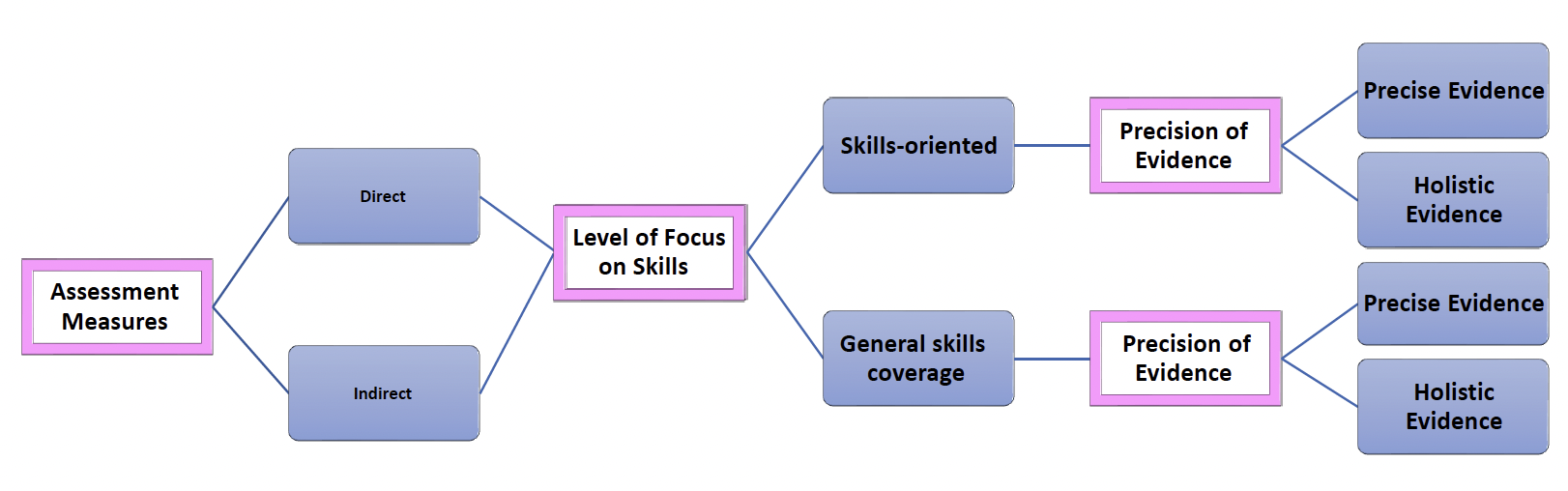
Figure 3.6.3.3.1 Classification of Learning Outcomes Assessment vs. Types of Evidence.
Table 3.6.3.3.1 Abstract mapping of the Institution-wide Learning Outcomes/(Student Learning Outcomes (SLOs)) against types of evidence used. Abstract descriptions of how direct assessments contribute to the achievement of Student Learning Outcomes (SLOs).
| Institution-wide learning outcomes | |||||||
|---|---|---|---|---|---|---|---|
| Domain/Category of Institution-Wide Learning Outcomes | Skills | Competencies/Values | |||||
| Communication Skills | Information Technology and Numerical Skills (Computation) | Critical Thinking and Problem Solving | Interpersonal and Responsibility | Professional Development (including Teamwork & Leadership) | Lifelong Learning | Integrity and Ethics | |
| LOs Assessment: Direct Approach | ↑ | ↑ | ↑ | ↑ | ↑ | ↑ | ↑ |
| Graduates will have the ability to communicate effectively both individually and as a member of a team by demonstrating mastery of reading, writing, speaking, listening, and presenting in a variety of styles and media. | Graduates will have the ability to use modern technologies effectively and employ computation skills to acquire information from different sources, investigate and solve problems and reach the right decisions. | Graduates will have the ability to reason logically and creatively and apply critical thinking and scientific methods to explore facts, concepts, theories, and problems to make informed and responsible decisions and/or to pursue practical solutions for real-life problems. | Graduates will have the ability to maintain responsibility for environmental, economic, social, and personal concerns and use their disciplinary knowledge and professional expertise to serve the community and value their personal fulfilment in society. | Graduates will have the ability to work effectively with others as a team member and/or collaboratively with others as a team leader to accomplish tasks and achieve team goals. | Graduates will have the ability to develop their capacity for personal career progression and to remain at the leading edge in their discipline to respond to the challenges of an ever-changing environment with the most current knowledge and technology. | Graduates will have the ability to act ethically and consistently with integrity and high moral standards in their professional endeavors. | |
| Research activities and published research papers by undergraduate students (published research) | Published Research Skills-oriented & Holistic Evidence | Published Research General skills coverage & Holistic Evidence | Published Research Day Skills-oriented & Holistic Evidence | Published Research General skills coverage & Holistic Evidence | Published Research General skills coverage & Holistic Evidence | Published Research Skills-oriented & Holistic Evidence | Published Research Skills-oriented & Holistic Evidence |
| Annual Research Day: Students research poster competition | Annual Research Day Skills-oriented & Holistic Evidence | Annual Research Day Skills-oriented & Holistic Evidence | Annual Research Day Skills-oriented & Holistic Evidence | Annual Research Day Skills-oriented & Holistic Evidence | Annual Research Day Skills-oriented & Holistic Evidence | Annual Research Day Skills-oriented & Holistic Evidence | Annual Research Day Skills-oriented & Holistic Evidence |
| Internship or practicum | Internship Skills-oriented & Precise Evidence | Internship Skills-oriented & Precise Evidence | Internship Skills-oriented & Precise Evidence | Internship Skills-oriented & Precise Evidence | Internship Skills-oriented & Precise Evidence | Internship Skills-oriented & Precise Evidence | Internship Skills-oriented & Precise Evidence |
| Standardized tests | Standardized tests | Standardized tests | Standardized tests | Standardized tests | Standardized tests | Standardized tests | Standardized tests |
| Skills-oriented & Precise Evidence | Skills-oriented & Precise Evidence | Skills-oriented & Precise Evidence | Skills-oriented & Precise Evidence | Skills-oriented & Precise Evidence | Skills-oriented & Precise Evidence | Skills-oriented & Precise Evidence | |
| National achievement tests (Progress Test) | Progress Test Skills-oriented & Precise Evidence | Progress Test Skills-oriented & Precise Evidence | Progress Test Skills-oriented & Precise Evidence | Progress Test Skills-oriented & Precise Evidence | Progress Test Skills-oriented & Precise Evidence | Progress Test Skills-oriented & Precise Evidence | Progress Test Skills-oriented & Precise Evidence |
| Grade distribution analysis | General Skills Coverage & Holistic Evidence | General Skills Coverage & Holistic Evidence | General Skills Coverage & Holistic Evidence | General Skills Coverage & Holistic Evidence | General Skills Coverage & Holistic Evidence | General Skills Coverage & Holistic Evidence | General Skills Coverage & Holistic Evidence |
| Learning Outcomes Assessment System (a computer system to assess and evaluate learning outcomes with links to exams questions and other types of assessments) (LOAS) | LOAS Skills-oriented & Precise Evidence | LOAS Skills-oriented & Precise Evidence | LOAS Skills-oriented & Precise Evidence | LOAS Skills-oriented & Precise Evidence | LOAS Skills-oriented & Precise Evidence | LOAS Skills-oriented & Precise Evidence | LOAS Skills-oriented & Precise Evidence |
Table 3.6.3.3.2 Indirect Assessment of Institutional Student Learning Outcomes (ISLOs/Institution-Wide Learning Outcomes)
| Institution-wide learning outcomes | |||||||
|---|---|---|---|---|---|---|---|
| Domain/Category of Institution-Wide Learning Outcomes | Skills | Competencies/Values | |||||
| Communication Skills | Information Technology and Numerical Skills (Computation) | Critical Thinking and Problem Solving | Interpersonal and Responsibility | Professional Development (including Teamwork & Leadership) | Lifelong Learning | Integrity and Ethics | |
| Los Assessment: Indirect Approach | ↑ | ↑ | ↑ | ↑ | ↑ | ↑ | ↑ |
| Graduates will have the ability to communicate effectively both individually and as a member of a team by demonstrating mastery of reading, writing, speaking, listening, and presenting in a variety of styles and media. | Graduates will have the ability to use modern technologies effectively and employ computation skills to acquire information from different sources, investigate and solve problems and reach the right decisions. | Graduates will have the ability to reason logically and creatively and apply critical thinking and scientific methods to explore facts, concepts, theories, and problems to make informed and responsible decisions and/or to pursue practical solutions for real-life problems. | Graduates will have the ability to maintain responsibility for environmental, economic, social, and personal concerns and use their disciplinary knowledge and professional expertise to serve the community and value their personal fulfilment in society. | Graduates will have the ability to work effectively with others as a team member and/or collaboratively with others as a team leader to accomplish tasks and achieve team goals. | Graduates will have the ability to develop their capacity for personal career progression and to remain at the leading edge in their discipline to respond to the challenges of an ever-changing environment with the most current knowledge and technology. | Graduates will have the ability to act ethically and consistently with integrity and high moral standards in their professional endeavors. | |
| Final Year Program Evaluation Survey (PES) | PES Skills-oriented & Holistic Evidence | PES Skills-oriented & Holistic Evidence | PES Skills-oriented & Holistic Evidence | PES Skills-oriented & Holistic Evidence | PES Skills-oriented & Holistic Evidence | PES Skills-oriented & Holistic Evidence | PES Skills-oriented & Holistic Evidence |
| Alumni Satisfaction Survey | Alumni Skills-oriented & Holistic Evidence | Alumni Skills-oriented & Holistic Evidence | Alumni Skills-oriented & Holistic Evidence | Alumni Skills-oriented & Holistic Evidence | Alumni Skills-oriented & Holistic Evidence | Alumni Skills-oriented & Holistic Evidence | Alumni Skills-oriented & Holistic Evidence |
| Employer Satisfaction Survey | Employer Skills-oriented & Holistic Evidence | Employer Skills-oriented & Holistic Evidence | Employer Skills-oriented & Holistic Evidence | Employer Skills-oriented & Holistic Evidence | Employer Skills-oriented & Holistic Evidence | Employer Skills-oriented & Holistic Evidence | Employer Skills-oriented & Holistic Evidence |
| Course & Instructor Evaluation Survey (CES) | CIES | CIES | CIES | CIES | CIES | CIES | CIES |
| Skills-oriented & Holistic Evidence | Skills-oriented & Holistic Evidence | Skills-oriented & Holistic Evidence | Skills-oriented & Holistic Evidence | Skills-oriented & Holistic Evidence | Skills-oriented & Holistic Evidence | Skills-oriented & Holistic Evidence | |
3.6.4 Learning Outcomes Assessment System (LOAS)
AU recognized three key elements to successful course-level assessment:
- Establishing course learning outcomes and objectives for the course
- Measuring whether these outcomes have been met.
- Using the results to improve teaching and learning in the course.
Faculty members at AU follow and implement the course specifications approved by academic programs. They assume responsibility for formative and summative evaluation with the goal of enhancing each student’s chance of success in each course accomplishment and, eventually, in the program's overall accomplishment.
3.6.4.1 Formative and Summative Assessment
Performance is most often analyzed through formative and summative assessment. Formative assessment is ongoing and provides information needed to adjust teaching and learning for a more effective outcome. It not only helps to monitor student progress throughout an activity but can also measure student progress, achievements, and readiness to proceed to further tasks. Alternately, summative assessment focuses on a particular point in time, such as a test at the end of a unit or grading term. Regardless of whether the immediate assessment is formative or summative, a faculty needs to be able to distinguish between the capabilities of the tool and the students’ performance using it. To illustrate, many can easily produce a visually stunning and multimedia presentation using PP as it has built-in easy-to-use professional effects. Therefore, to assess a multimedia presentation effectively, the faculty needs evidence of the thinking that went into the creation of the presentation/project. Rather than grade the end product, educators must focus on the process -- research, writing, media and image selection, etc. This allows faculties to focus on learning throughout the whole project rather than the flashy, finished product.
Faculty members, therefore, use a range of assessment measures, including quizzes, assignments, reports, case studies, projects, student portfolios, and mid-term and final examinations, in order to obtain a clear picture of what students have learned; utilizing this variety of methods also avoids the potential weaknesses of applying a single form of assessment. In all courses, assessment is always based on course learning outcomes. A computer system was developed, the so-called AU-Learning Outcomes Assessment System (LOAS) that supports an on-going process of assessment and improvement in terms of learning outcomes.
Assessment at the course level is supported by rubrics and the questions are constructed to formulate learning progress based on Bloom's Taxonomy of Cognitive Domain from lowest to the highest as shown in Figure 3.6.4.1.1 and Table 3.6.4.1.1.
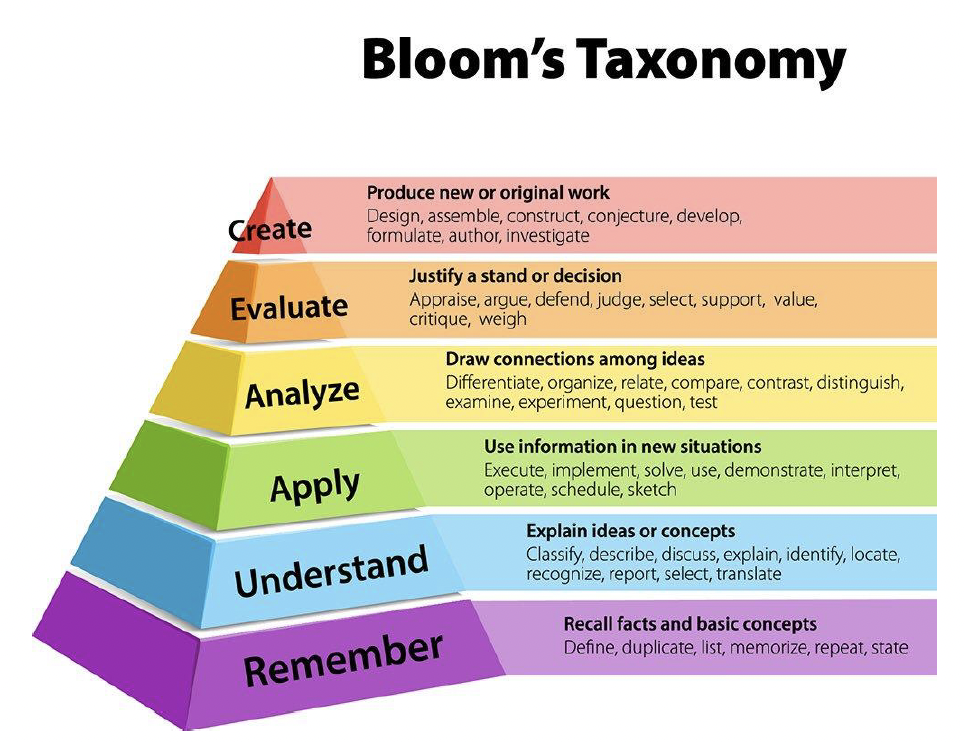
Figure 3.6.4.1.1 Bloom's Taxonomy of Cognitive Domain from lowest to the highest.
Table 3.6.4.1.1 Sample questions constructed to formulate learning progress based on Bloom's Taxonomy of the cognitive domain.
| Sample of Student Learning Outcome Graduates will act ethically with moral standards in their professional and personal life. | |
|---|---|
| Questions: To assess the progress of students learning outcomes based on Bloom's Taxonomy of cognitive domain from the lowest (simplest) to the highest (more advanced): |
|
The approach to student assessment at AU is undergoing a transformation. This shift focuses on integrating the evaluation, assessment, and enhancement of learning outcomes into all course descriptions. Consequently, assessment methods are being adapted to encompass the wider range of student learning outcomes. Several programs at AU have already begun implementing these changes successfully.
At the beginning of each semester, each faculty member submits a course syllabus (which is extracted from an approved course specification) comprising information about course learning objectives, prerequisites, description, content, assignments, textbook, readings, evaluation procedures, teaching methods, grading standard, faculty's office hours. This information is given to students and included in faculty member’s course portfolios.
At the end of the semester, faculty members submit the grades and copies of their quizzes and exams to program directors. All teaching staff members are required to fill in course reports at the end of each semester for all courses they have taught. The report includes course details, showing the latest updates of its different entries. It should be accompanied by documents such as course outlines, samples of examination papers, other assignments, and/or term papers to form the so-called course portfolio.
The most fundamental level of student learning is at the course level. The course assessment focuses on the student achievements related to the planned course learning outcomes. Each course has specific course learning outcomes (CLOs). It is the learning outcomes from individual courses when combined and aggregated with other courses in the curricula that enable students to achieve the program learning outcomes (PLO/PSLO) and eventually aggregated at a higher level to form the so-called institutional student learning outcomes (ISLOs). Final course level assessment is the responsibility of individual faculty members which is normally collected and approved by the QA committee at the college and program level.
Each course is assessed through various assessment tools (which may include written exams, homework, projects, presentations, capstone courses, projects, student portfolios, quizzes, assignments, mid-term exams, final exams, simulations, and other assessment practices). Learning outcomes at the course level are assessed gradually using specific rubrics in a continuous process to build an overall picture up to the final exam.
Furthermore, theoretical and practical courses are assessed differently, but all assessments take place according to the general framework set by the University. Internships and graduation projects or field training are evaluated in a way that fits their nature; they are implemented according to a set of report forms designed by the concerned program and college.
A faculty member participates in the course-level assessment through teaching and using assessment tools suitable to the learning outcomes sought by the assessment. Using the Learning Outcomes Assessment System (LOAS) allows faculty to align the assessment tool with the learning outcomes and to measure it efficiently. Similarly, general requirements courses may need the involvement and participation of a group of faculty members, and they still can use the system (e.g. communication skills).
To assess the achievement of a particular course learning outcomes (CLOs), an electronic special spreadsheet is introduced as part of the Learning Outcomes Assessment System (LOAS) as shown in Figure 8.5. The LOAS automatically performs an analysis of the assessment tools used combined with the corresponding assessment results (marks) obtained, which are then scaled and plotted against the set of learning outcomes taught and assessed. The system provides a clear overview of the levels of achievement of CLOs. Also, it triggers faculty attention where actions are needed for course improvements if not achieving a satisfactory level based on pre-defined Performance Standards of the Learning Outcomes (scales of achievement of learning outcomes) shown in Figure 3.6.4.1.2 This approach gives faculty members a chance to gradually follow up students' success in the achievement of learning outcomes. Courses are assessed against pre-defined criteria of threshold called (Learning Outcomes and Performance Standards) which represent the level of achievement of learning outcomes.
- This spreadsheet is characterized by its ability to calculate the level of achievement called the weighted average of each of the learning outcomes against the appropriate evaluation and assessment method used.
- The LOs achievement level is compared against a special classification scale (Demonstrated, Partially Demonstrated and Not Demonstrated (Critical))
- Results are calculated automatically and presented graphically as shown in Figures 3.6.4.1.2 & 3.6.4.1.3 for QA improvement, strengthening LOs achievement, and avoiding weaknesses (this is the old five domains of Learning Outcomes). A new LOAS system was developed to recognize the new NQF three domains learning outcomes as shown in Figure 3.6.4.1.4.
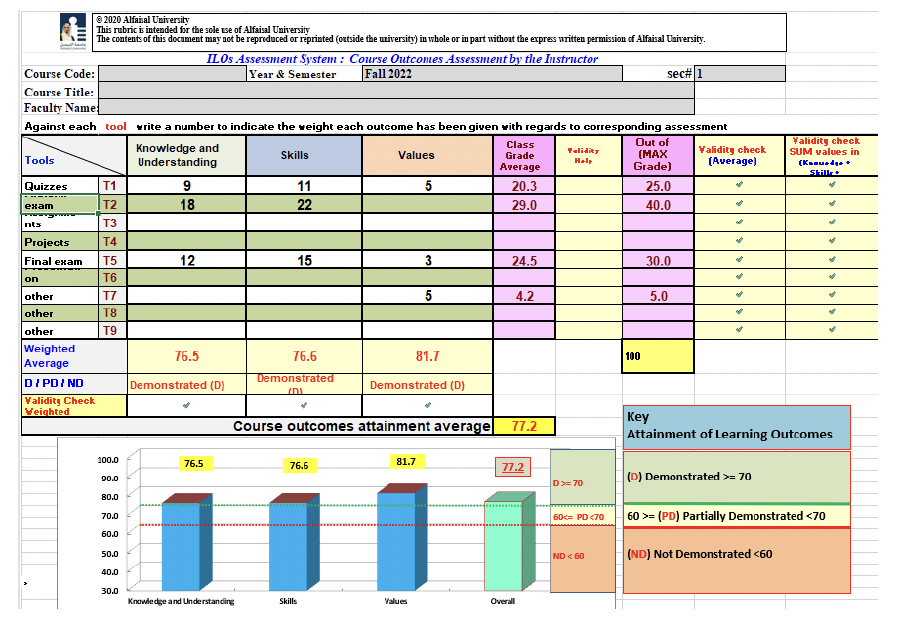
Figure 3.6.4.1.2 Sample of the electronic spreadsheet developed as main component of the Learning Outcomes Assessment System (LOAS)
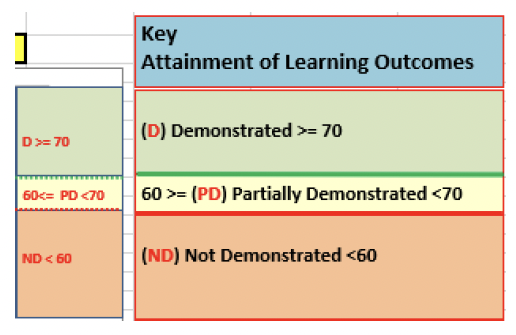
Figure 3.6.4.1.3 Learning Outcomes and Performance Standards (pre-defined scales of the levels of achievement of learning outcomes).
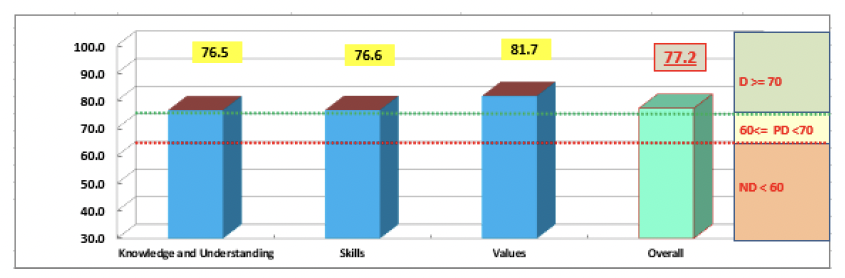
Figure 3.6.4.1.4 Sample from graphical presentation of the level of achievements of LOs at course level using AU-learning outcomes assessment system (LOAS) based on the new SAQF three domains learning outcomes.
In alignment with the University's Quality Improvement Plan, Alfaisal University is committed to continuously developing its "Learning Outcomes Assessment System (LOAS)". This system, currently used across colleges and programs, is installed on all faculty computers for convenient access.
The AU curriculum introduces students to a set of learning outcomes. Students then will be assessed, both in their major coursework as well as in the assessment framework to determine the extent to which they have achieved success in meeting the outcomes. These core competencies will affect what students do not only within their program, but also in their professional and personal lives. The student will acquire, practice, apply, and become proficient in many of the core competencies and skills. This independent assessment stresses to students the critical importance of the university learning outcomes to their overall success as students, graduates, and professional practitioners.
Learning outcomes assessment is an ongoing process of collecting, analyzing, and interpreting data on student learning to improve curriculum and instruction, and ultimately enhance learning outcomes. Assessment requires explicitly defining the intended learning outcomes for each course (through course specification) across all programs.
Faculty members, with their expertise in curriculum design, student assessment, and subject matter, hold primary responsibility for ensuring the achievement of learning outcomes. The tasks of assessment should be shared so as not to be burdensome to faculty. The results of the assessment should be discussed by the faculty members as a group, with the goal of improving curriculum and instruction.
Achieving Student Learning Outcomes (SLOs) comprises one of the most important factors in the success of any academic program. Indeed, as long as the academic program has goals and objectives, attention must be paid to the effective delivery of LOs and to the availability of suitable teaching strategies and assessment methods to measure the level of achievement of such LOs.
Assessment is a continuous process that is used to assess the student’s progress towards completion of courses and towards graduation. The assessment of academic achievement, overall and in content courses, is measured by course grades and their breakdown among various assessment tools. In all courses, AU’s assessment is always based on course outcomes. Therefore, the QAA assessment plan assesses the level of achievement of the learning outcomes in two ways: bottom-up and top-down. The top-down approach is already explained using AU’s Evaluation Framework and all types of evaluations and satisfaction surveys. In the bottom-up approach, we start from the courses moving toward the SLOs at the program level. This provides a clear measure of the LOs, so a variety of course grades are considered in this process. These include the following grades: homework assignments, class projects, presentations, mid-term exams, quizzes, and final exams.
This system provides an innovative approach to assess the level of LOs achievement. That means it guarantees that educational pedagogy of course delivery and assessment employ an outcome-based approach. The system obtains a clear understanding of what students have learned, and avoids potential biases or weaknesses in other assessment instruments. Results are then analyzed, and an iterative course improvement process continues until results validate that the learning outcomes are met.
3.6.4.2 Upward analysis of outcomes
It is very important to examine the intended learning outcomes of individual courses and other learning experiences to see how these correspond with the intended outcomes of the program and the institution as a whole. This activity shows the extent to which the curriculum, assessment methods and teaching strategies promote the attainment of the Student Learning Outcomes (SLOs) in an upward pattern starting from the course learning outcomes and moving upward to the program learning outcomes to the institutional learning outcomes. Therefore, all taught courses at AU's programs are subject to a process of assessment in terms of the attainment of the Learning Outcomes (LOs). This policy extends to various levels and groups per instructor, program, college, and the entire University (institutional level as explained in the assessment framework).
Assessment of Student Learning Outcomes among the three tiers of the assessment framework is based on the linkage and mapping between the three levels course level, program level, and institutional level as shown in Figure 3.6.4.2.1
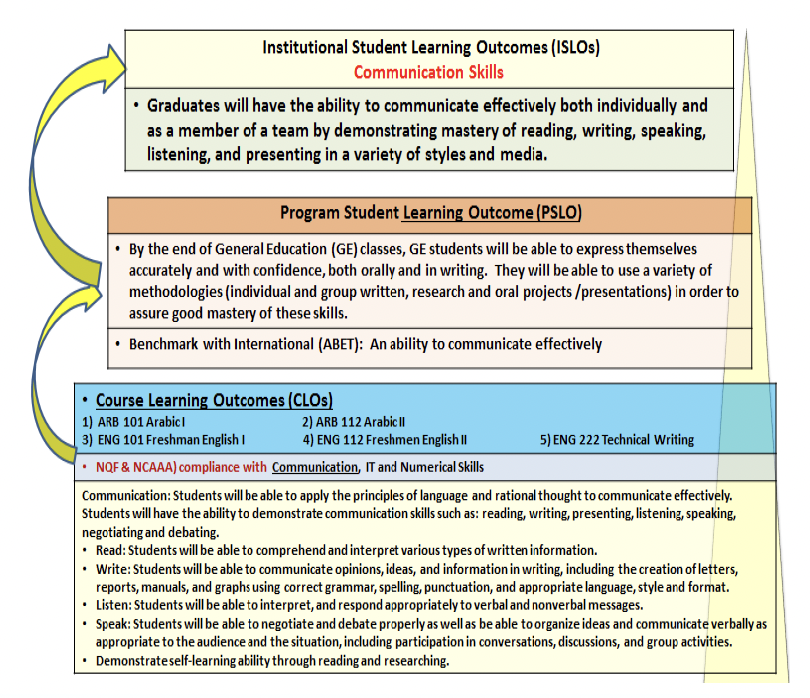
Figure 3.6.4.2.1 Schematic diagram of communication skills assessment in upward pattern
Application of LOAS in assessing the level of achievements of communication learning outcomes revealed encouraging results as shown in Figure 3.6.4.2.2 The levels of achievements of the learning outcomes for (communication skills) using the computer system (LOAS) indicate that all courses are above 70 (Demonstrated LOs).
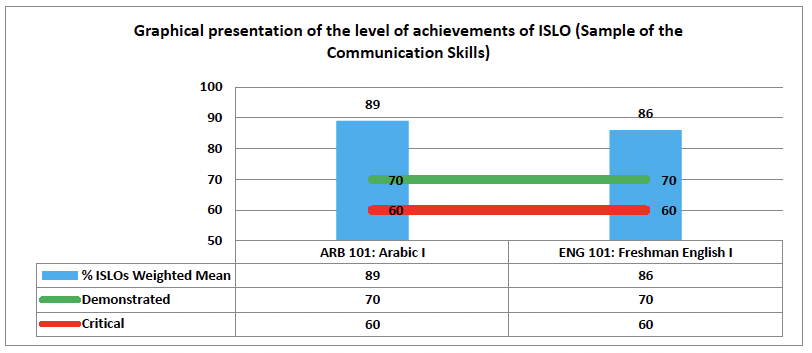
Figure 3.6.4.2.2 Graphical presentation of the level of achievements of (Sample of Communication Skills) using the LOAS.
After collecting and analysing all courses of a particular program, the level of SLOs achievement can be then compared and benchmarked against other courses of different programs on a unified form across the board on a higher aggregate level (i.e. moving upwards and benchmark courses at program level then at the college level) to reach the institutional level as shown in Figure 3.6.4.2.3 In the same way, the level of achievements of learning outcomes at the three levels of the assessment framework (courses, programs and institutional) must be calculated and analysed.
For example, based on the per-defined threshold, if a learning outcome weighted mean is above 70, it means that LOs are achieved and demonstrated. For more details of the level achievement of learning outcomes.
Then the University must provide evidence and a year-by-year trends analysis of the Institutional Learning Outcomes and Competencies.
How the LOAS works in upward pattern? The assessment starts collecting data at the course level. Next, apply grouping and aggregation of all courses classified per/program. Then apply grouping and aggregation of all programs classified per/college. Finally, aggregation of colleges LOs will form the achievement of learning outcomes at the university level as follows: Key: If value of calculated LOs greater than or equal GREEN threshold >= 70 ➔ then LOs classified as Demonstrated. If value of calculated LOs between RED threshold and GREEN threshold [>= 60 and < 70] ➔ then LOs classified as Partial Demonstrated. If value of calculated LOs less than RED threshold [less than 60] ➔ then LOs classified as Critical and this trigger urgent intervention by the faculty member, program director and the corresponding quality unit. |
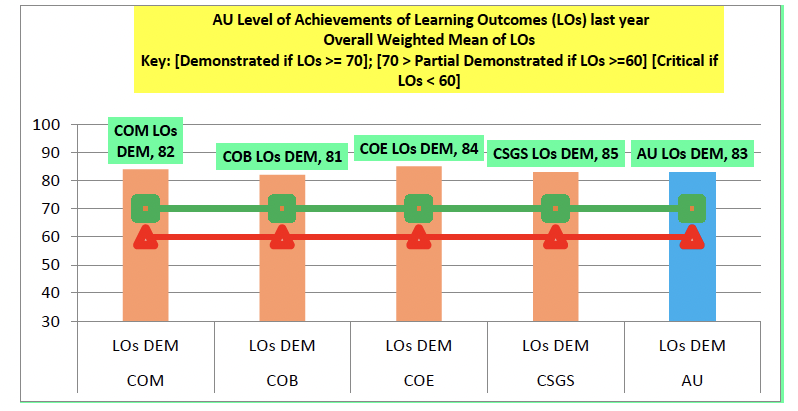
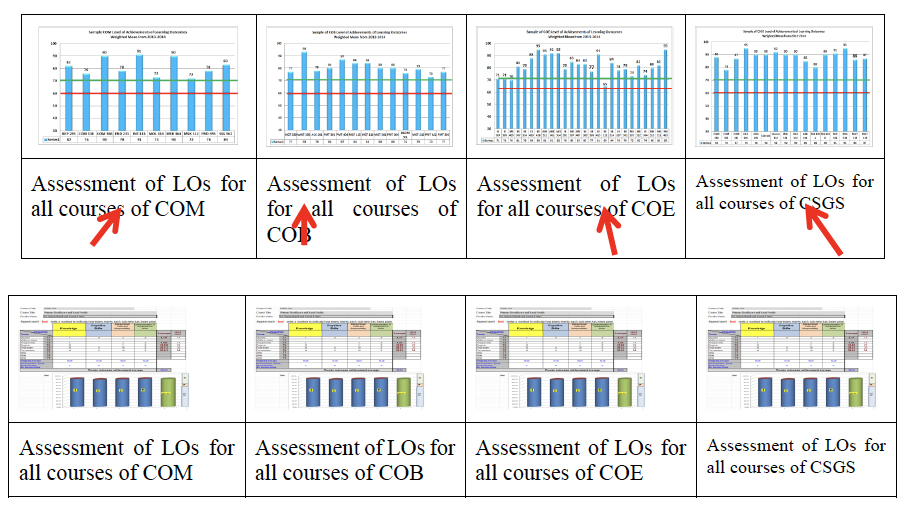
Figure 3.6.4.2.3 Schematic view of the assessment framework to show how the lower level feed the higher level in calculating the achievement of learning outcomes (sample from the assessment of learning outcomes for last year
3.6.4.3 Evaluation of the Graduates Employment Status
Mechanisms shall exist to enable a proper evaluation of the graduates’ employment status. AU, through the placement office, must conduct a periodical study every academic year to investigate AU's graduates who within six months of graduation were employed and/or enrolled in further study or unemployed. These results had significant impacts on the development of new programs and the improvement of established majors and study plans (if necessary).
3.6.4.4 Annual Faculty Performance Evaluation
AU, as a higher education institution, as stated in its mission, greatly value highly effective instructors in addition to highly active researchers and service providers. All AU’s faculty members are evaluated and shall continue to be evaluated on their previous year’s performance with the performance criteria on which they are judged being clearly specified; these criteria have been published on the faculty handbook. A standard form, Faculty Activity Report (FAR) is used for performance evaluation and is completed annually by faculty members. The FAR is submitted to the Chair of Department and Dean for evaluation. The Chair of Department and Dean then scrutinized the report and evaluates it against all information available (e.g., teaching evaluations, research, service, etc.). The report signed and amended with appropriate recommendations and sent to the President office for further actions. This mechanism is aimed at encouraging faculty members to improve, and to promote good and effective practice in teaching, research, and community services. The process is confidential, but faculty members have the right to see their report and to complain formally if they are not satisfied.
Monitoring of Teaching Quality (Peer Review)
In addition to various types of evaluations and satisfaction surveys described in this Manual AU introduced a policy on the monitoring of teaching quality (Peer Review):
“The Head of a Department or Dean, as appropriate, should arrange for at least one colleague to attend and evaluate at least one lecture given by any new member of the academic staff and an established member of the faculty whose student evaluation for a semester is 3.75 or less. The purpose of this review is to appraise the delivery of the lectures, organization, and the use of lecture room hardware as a means of improving the overall quality of the educational delivery at Alfaisal University. Upon the Head of a Department or Dean’s recommendation, the review may be extended to evaluate a faculty member's professional development as well as syllabi, course specifications, course reports, exams, and other aspects of instructional design and assessment.
The reviewer(s) will prepare a written report to be submitted to the Chair of Department or Dean, who will in turn, discuss the report with the lecturer. A record of this review will be kept in the departmental or college files for any future reference”
AU’s faculty is responsible for the curriculum and instruction. One important indicator of the quality of teaching is the quality of the instructional faculty so it should be noted that at least 80% of full-time faculty members hold doctorates,
Course Portfolio
Perhaps the best way to ensure that quality teaching is recognized, valued, and rewarded is to improve the means of identifying and documenting teaching effectiveness. Course portfolios afford a comprehensive yet efficient means of documenting the intellectual work of teaching a particular course. Through such a portfolio, faculty members document the design and execution of a particular course, including results in student learning. In this way, teaching can be understood and presented as a form of scholarship, utilizing the accountability through peer review that already exists in higher education. A course portfolio can be useful as an instrument for exhibiting teaching effectiveness, a crucible for cultivating scholarship, and a vessel for conveying one’s work to appropriate publics, including promotion and tenure committees.Specifically, the following items are a part of the Course Portfolio:
- Course Specifications and Course Report
- Assessment of ILOs
- Teacher Notes
- Samples of Graded Work
- Syllabus and Course Outline
- Attendance
- Midterms and Final Exam Keys
- Grade Distribution Histogram
- Independent Evaluator Form
3.7 Quality Roadmap
3.7.1 Quality Schedule
This schedule would help colleges and the Vice Deans for Accreditation and Quality Assurance to pursue academic quality procedures and collect the necessary evidence/documents.
Roles:
Dean: The verification and the completion of tasks and procedures related to quality on a timely basis.
Vice-Dean (QAA): Following up on the implementation of quality assurance tasks and procedures of the programs, providing the necessary support to the representatives, and compiling documents and evidence of all the procedures.
Chair of Department: Responsible for the completion of the tasks and procedures described below in the section and submitting them to the Vice Dean (QAA).
Quality Supervisor/Specialist: The quality representative of each academic program, in coordination with the Program Director, will perform these tasks and provide the necessary support and communication with the head of the quality in college.
| Weeks | Actions | Responsible |
| Pre-semester Week | The chair of the Department assigns course instructors and coordinators for all the courses offered by the department. | Chair of Department |
The Chair of the Department needs to schedule a Department Council meeting and discuss the following:
| Chair of Department/ Department Council | |
| The Chair of the Department should meet with faculty members to discuss course and instructor evaluation and plan training sessions. | Chair of Department | |
| Orientation for new faculty members and ensure they have access to the Learning Management System (Moodle) and Student Information System (Banner). | Chair of Department | |
| First Week | Course Syllabus and Course Specification (CS) should be updated and uploaded to LMS. | Faculty members under the supervision of the Chair of the Department and head of QA in the college |
| Student orientation, meetings with the students to discuss program requirements, and expectations, and help them with any arising issues. | Program Director and College | |
| Ensure that the reference books mentioned in the course syllabus or CS are available and accessible to students through the department or library. | Course Coordinator/ Instructor | |
| Course syllabi, course schedules, and office hours should be announced and posted. | Faculty members under the supervision of the Chair of the Department | |
| Second Week | Assigning academic advisors to all new students. | Program Director and College |
| Discuss learning resources and counseling services available to students. | Faculty members, and Program Director | |
| Validation of course portfolios of the previous term. Submits progress to the head of QA in the college. | QA Committee, Chair of Department, and head of QA in the college | |
| Faculty members provide a list of research projects to be shared with students. | Research Coordinator and Program Director | |
| Fourth Week | Course portfolios are validated and submitted to the Department of Accreditation and Quality Assurance (DAQA) | Head of QA in the college |
| Program Director/Chair of the Department coordinate with faculty members to prepare program's annual report (APR) and collect the required data. | Program Director/Chair of Department | |
| Sixth Week | Program annual report, recommendation, and action plan are submitted to the department council for review and approval. | Program Director/Chair of Department |
| Eighth Week | APR, recommendations, and action plans are discussed at the College Council. | Program Director & Head of QA in the college |
| Approved APR is submitted to the Department of Accreditation and Quality Assurance (DAQA) | Head of QA in the college | |
| Tenth Week | Departments should conduct Peer-Review evaluations for new faculty members or those with evaluations below 3.75 on a five-point scale as per the AU follow-up policy. | Chair of Department |
| The Chair of the Department sets a meeting to discuss mid-term exam results with faculty members to identify the strengths, and areas for improvement, and discuss action plans for improvement. | Chair of Department | |
| Twelfth Week | Quality internal audit for all colleges of AU | Department of Accreditation and Quality Assurance |
| Send out evaluation surveys (CIS, SES, PES) | Department of Accreditation and Quality Assurance | |
| Fourteenth Week | The chair of the Department prepares the final report of the training sessions attended by faculty members. | Chair of Department |
| Preparation for final exams. | Faculty members/ Chair of Department | |
| Scheduling presentations or defense for students’ graduation projects and thesis. | Faculty members/ Chair of Department | |
| Final Exam Weeks | Follow up the progress of the final exams, review and approve grade distribution | Chair of Department |
| Faculty members upload approved final grades into the SIS. | Faculty members | |
| Faculty members complete his/her Course Portfolio. | Faculty members |
Appendices
Appendix 1 – Glossary
Accreditation: The process by which a recognized body evaluates and verifies that an educational institution or program meets certain predetermined standards of quality and integrity.
Accreditation Visit: A site visit conducted by an accrediting agency to verify an educational institution or program's compliance with accreditation standards.
Annual Faculty Performance Evaluation: A systematic evaluation process conducted annually to assess faculty members' performance based on predetermined criteria, aiming to promote teaching, research, and service excellence.
Assessment Cycle: A systematic process of ongoing assessment, data collection, analysis, and improvement efforts aimed at enhancing the quality of teaching, learning, and academic standards.
Assessment Framework: A structured approach for evaluating student learning outcomes, including establishing clear learning objectives, determining assessment criteria, and systematically gathering, analyzing, and interpreting evidence to inform decision-making and enhance educational quality.
Assessment of Learning Outcomes: The systematic evaluation and measurement of the extent to which students have achieved the intended learning outcomes, typically through various assessment methods such as exams, projects, portfolios, etc.
Annual Review: A process in which an educational institution or program evaluates its performance over the past year, identifies areas for improvement, and develops plans to address those areas.
Benchmarking: A process of comparing the performance of an educational institution or program against industry standards or best practices.
Closing the Loop: The process of using assessment results to inform curriculum improvements, pedagogical enhancements, and program modifications to achieve continuous improvement in teaching and learning.
Compliance: The degree to which a higher education institution or program adheres to established standards, regulations, policies, and accreditation requirements, often verified through formal audits, assessments, or reviews.
Continuous Improvement: A cyclical process of ongoing self-assessment, review, and enhancement aimed at identifying areas for improvement, implementing corrective actions, and optimizing the quality and effectiveness of higher education programs and services.
Core Values: The fundamental beliefs and principles that guide the behavior, decisions, and actions of an organization or institution. They represent the deeply held convictions and ideals that define the culture and identity of an organization, shaping its priorities, norms, and interactions with stakeholders. Core values often serve as a compass for ethical conduct and decision-making, providing a framework for achieving the organization's mission and vision.
Course Learning Outcomes: Concrete and measurable statements describing the expected achievements or capabilities of students at the conclusion of a specific course or module.
Course Portfolio: Comprehensive documentation showcasing the design and execution of a particular course, including assessment of intended learning outcomes, teaching effectiveness, and student learning outcomes.
Course Specification: Detailed documentation outlining course learning objectives, prerequisites, content, assignments, evaluation procedures, and teaching methods, ensuring alignment with program objectives.
Curriculum Development: The process of designing, implementing, and evaluating the content, structure, and delivery methods of educational curricula to meet the needs and objectives of students and stakeholders.
Direct Assessment Measures: Evaluation methods that directly measure tangible, observable products of student learning, such as exams, quizzes, assignments, and projects, providing evidence of student performance and mastery of learning outcomes.
Evaluation: The systematic and objective assessment of an educational institution or program, including its strengths and weaknesses, to determine its overall quality.
Formative Assessment: Ongoing assessment aimed at providing feedback to adjust teaching and learning strategies for improved outcomes, monitoring student progress, achievements, and readiness for further tasks.
Graduate Attributes: These are the qualities, skills, knowledge, and competencies that a student is expected to have acquired upon completing a particular academic program or course of study. Graduate attributes typically encompass a broad range of intellectual, personal, and professional capabilities that prepare individuals for success in their chosen careers and contribute to their overall development as well-rounded individuals.
Indirect Assessment Measures: Evaluation methods that gather information on perceived student learning from various perspectives, such as surveys, interviews, and focus groups, providing insights into students' perceptions, attitudes, and values regarding their learning experiences.
Institutional Learning Outcomes: Broad educational goals and competencies that reflect the overarching mission and vision of the institution, guiding the development of curricula and educational programs.
IRQCI: Institutional Research and Quality Cycle for Improvement (IRQCI), which is a structured process within the institution aimed at enhancing quality and effectiveness in teaching, learning, and research through continuous assessment, feedback, and improvement initiatives.
IQS: Internal Quality System , which is the internal mechanisms, processes, and procedures established within an educational institution to ensure and maintain quality standards, encompassing policies, practices, and resources for quality assurance and improvement.
Key Performance Indicators (KPIs): Measurable values that demonstrate how effectively an educational institution or program is achieving its goals and objectives.
LOAS: Learning Outcomes Assessment System (LOAS), which is a system implemented at Alfaisal University to support ongoing assessment and improvement of learning outcomes at the course level, facilitating the establishment of course learning outcomes, measurement of outcomes achievement, and utilization of assessment results for enhancing teaching and learning.
Mapping: The process of aligning and correlating various elements, such as learning objectives, standards, or competencies, to ensure coherence, consistency, and alignment in educational planning, curriculum design, and assessment practices. Mapping facilitates the systematic organization and integration of educational components to support learning outcomes and achievement of educational goals.
Mapping of Learning Outcomes: The process of aligning and correlating learning outcomes at different levels, such as institutional, program, and course levels, to ensure coherence and consistency in educational objectives.
NCAAA: National Commission for Academic Accreditation and Evaluation, which is a regulatory body responsible for ensuring the quality and standards of higher education institutions and programs within a specific country. It evaluates academic programs and institutions against established criteria to determine their accreditation status, thereby ensuring accountability, quality assurance, and continuous improvement in higher education.
NQF: National Qualification Framework, which is a national framework that categorizes qualifications into levels based on learning outcomes, providing a standardized approach to classifying and comparing qualifications across different educational sectors.
Peer Review: A process of evaluating teaching quality through colleague observation and assessment of lectures, instructional design, and assessment practices to improve educational delivery.
Program Evaluation: A structured process of gathering, analyzing, and interpreting data to assess the effectiveness, efficiency, and relevance of an academic program. Program evaluation aims to identify strengths, weaknesses, and areas for improvement, ultimately guiding decision-making and enhancing program quality. It typically focuses on measuring outcomes, such as student learning, satisfaction, and achievement of program goals.
Program Learning Outcomes: Specific knowledge, skills, and abilities that students are expected to demonstrate upon completion of a particular academic program or degree.
Program Review: A comprehensive evaluation of an academic program's structure, content, delivery methods, and outcomes, often conducted internally or externally to ensure accountability and quality assurance. Program review involves assessing curriculum alignment, faculty qualifications, resources, and compliance with accreditation standards. It aims to provide a holistic view of the program's performance, identify areas for enhancement, and support continuous improvement efforts. Program review may be part of institutional quality assurance processes or accreditation requirements.
Quality Assurance: A set of systematic and continuous processes that ensure that educational institutions and programs meet or exceed established standards of quality and effectiveness.
Quality Governance Structure: The organizational framework and processes within an educational institution responsible for overseeing, implementing, and monitoring quality assurance initiatives and activities at various levels, including institutional, program, and departmental levels.
Quality Roadmap: A structured plan outlining quality assurance procedures and timelines for colleges and academic units, facilitating the pursuit of academic quality and evidence collection.
Rubric: A tool used to evaluate student work based on a set of predefined criteria, often used to assess learning outcomes or provide feedback on assignments.
Self-Study: A process in which an educational institution or program evaluates its own performance and effectiveness, identifies areas for improvement, and develops a plan for improvement.
Self-Study Report: A comprehensive document that provides an overview of an educational institution or program, including its mission, goals, objectives, and achievements, as well as areas for improvement and plans for improvement.
Stakeholders: Individuals, groups, or organizations with a vested interest or involvement in the operations, outcomes, or reputation of a higher education institution, including students, faculty, staff, administrators, employers, policymakers, and the broader community.
Standards: Established criteria or expectations that educational institutions and programs must meet in order to be accredited or recognized as meeting certain quality criteria.
Summative Assessment: Assessment focused on evaluating student performance at a particular point in time, such as the end of a unit or grading term, providing a snapshot of overall achievement.
Teaching and Learning Quality Cycle for Improvement: A component of the IRQCI (see definition above) focused on enhancing the quality of teaching and learning experiences through systematic evaluation, reflection, and enhancement efforts.
Transparency: The principle of openness, clarity, and accessibility in the processes, decisions, and communication related to quality assurance, accreditation, and academic governance, promoting accountability and trust among stakeholders.
Triangulation of Assessment Methods: The integration of multiple assessment measures, both direct and indirect, from diverse sources to provide converging evidence of student learning and enhance the validity and reliability of assessment findings.
Verification: The process of confirming that an educational institution or program has met the established standards of quality and integrity and is therefore eligible for accreditation or recognition. It typically occurs as a part of the initial accreditation process or during a periodic review.